In This Issue
Peptides
-
 The Oral GLP-1 Era Begins: Two Pills Move Toward the Mainstream
Two new trials in The Lancet put the first credible oral, non-peptide GLP-1 drugs on the runway — a shift that could change who actually gets access to this class.
The Oral GLP-1 Era Begins: Two Pills Move Toward the Mainstream
Two new trials in The Lancet put the first credible oral, non-peptide GLP-1 drugs on the runway — a shift that could change who actually gets access to this class.
-
 Elecoglipron: The First Credible Oral GLP-1 Pill Clears a Phase 2 Hurdle
AstraZeneca's once-daily small molecule posts placebo-controlled weight-loss data in The Lancet — and hints at a future where the obesity revolution doesn't require a needle.
Elecoglipron: The First Credible Oral GLP-1 Pill Clears a Phase 2 Hurdle
AstraZeneca's once-daily small molecule posts placebo-controlled weight-loss data in The Lancet — and hints at a future where the obesity revolution doesn't require a needle.
-
 The GLP-1 Era Matures: Oral Pills, Surgery Timing, and an Addiction Crossover
New real-world data is shifting the GLP-1 conversation from 'does it work' to 'how to use it without getting hurt.' Here's what the latest evidence actually says.
The GLP-1 Era Matures: Oral Pills, Surgery Timing, and an Addiction Crossover
New real-world data is shifting the GLP-1 conversation from 'does it work' to 'how to use it without getting hurt.' Here's what the latest evidence actually says.


Longevity
-
 The Allostatic Load Era: Putting a Number on a Lifetime of Wear
A large UK Biobank analysis turns the abstract idea of cumulative physiological stress into a measurable signal — and links it, dose by dose, to how long we live.
The Allostatic Load Era: Putting a Number on a Lifetime of Wear
A large UK Biobank analysis turns the abstract idea of cumulative physiological stress into a measurable signal — and links it, dose by dose, to how long we live.
-
 Aging Clocks Go Multi-Omics: The Next Generation of Biological Age Tests
Epigenetic age tests were just the prototype. A new wave of clocks stitches together DNA, proteins, metabolites, and microbes — and AI is the thread.
Aging Clocks Go Multi-Omics: The Next Generation of Biological Age Tests
Epigenetic age tests were just the prototype. A new wave of clocks stitches together DNA, proteins, metabolites, and microbes — and AI is the thread.

The Oral GLP-1 Era Begins: Two Pills Move Toward the Mainstream
Two new trials in The Lancet put the first credible oral, non-peptide GLP-1 drugs on the runway — a shift that could change who actually gets access to this class.
For four years, the GLP-1 story has been a story about needles. Semaglutide, tirzepatide, the weekly auto-injector tucked in the fridge door — that has been the price of entry to the most consequential metabolic drug class in a generation. Two trials published back-to-back in The Lancet just changed the shape of that conversation. Orforglipron, an oral non-peptide GLP-1 receptor agonist, met its primary endpoint in a phase 3 head-to-head against an established oral diabetes pill. Elecoglipron, a different small-molecule GLP-1 from a different developer, cleared a phase 2b placebo-controlled study. Two distinct molecules, two real trials, one direction of travel: the era of the GLP-1 pill is no longer theoretical.
- Two oral GLP-1 candidates posted positive trials in The Lancet — orforglipron (phase 3) and elecoglipron (phase 2b).
- Orforglipron was tested against dapagliflozin, an existing oral diabetes drug, on a non-inferiority design — not against injectable semaglutide or tirzepatide.
- Both molecules are small-molecule, non-peptide GLP-1 agonists, which is what allows oral dosing without the food-and-water restrictions of oral semaglutide.
- The trials enrolled adults with type 2 diabetes, not the general weight-loss population — read efficacy and safety in that context.
- Approval is not the same as availability. Phase 3 wins move a drug toward regulators; price, supply and prescribing patterns determine who actually gets it.
What the trials actually tested
The first study, ACHIEVE-2, is the one to anchor on. It is a 40-week, phase 3, multicentre, randomised non-inferiority trial across 73 sites in six countries. Adults with type 2 diabetes already on at least 1500 mg/day of metformin, with HbA1c between 7.0% and 10.5%, were randomised 1:1:1:1 to once-daily oral orforglipron at 3 mg, 12 mg or 36 mg — or to dapagliflozin 10 mg, a widely used SGLT2 inhibitor. The primary endpoint was change in HbA1c at week 40, with a non-inferiority margin of 0.3%.
Two design choices matter here. First, the comparator is an oral drug, not an injectable GLP-1. That tells you something about the commercial and clinical positioning: orforglipron is being framed as the next oral option for patients whose metformin alone isn't enough, not as a head-to-head challenger to weekly semaglutide. Second, the trial is open-label between drugs but dose-blinded within the orforglipron arms — a pragmatic compromise that lets the regulator see a clean dose-response while accepting the practical reality of comparing a daily tablet to a different daily tablet.
The second study, SOLSTICE, is earlier-stage and answers a different question. It is a phase 2b, double-blind, placebo-controlled trial of elecoglipron across nine countries, enrolling adults with type 2 diabetes managed by diet and exercise, metformin, or an SGLT2 inhibitor. Participants were randomised to fixed daily doses of 5, 15 or 25 mg, or to escalation regimens targeting 50 mg and 75 mg. Crucially, elecoglipron is described as having no food or fluid restrictions — the operational problem that has limited oral semaglutide's uptake.
Two distinct molecules, two real trials, one direction of travel: the era of the GLP-1 pill is no longer theoretical.

The practical case for an oral GLP-1 isn't sophistication — it's adherence. A daily tablet slots into a routine most people already have.
Why "non-peptide, small molecule" is the whole story
If you have ever wondered why semaglutide is an injection and oral semaglutide is a finicky tablet that demands an empty stomach and a 30-minute fast, the answer is chemistry. Semaglutide is a peptide — a chain of amino acids — and peptides are what your gut is built to demolish. Getting a peptide to survive the stomach requires either an injection or, in the case of oral semaglutide, an absorption enhancer plus strict fasting conditions that most patients find difficult to maintain.
Orforglipron and elecoglipron are different animals. Both are described in their respective trial reports as oral, non-peptide, small-molecule GLP-1 receptor agonists. They bind the same receptor, but they are built like conventional pills — stable, absorbed without elaborate workarounds, and in elecoglipron's case explicitly free of food or fluid restrictions. That is the mechanism behind the headline. A small molecule that hits the GLP-1 receptor is a more forgiving product than a peptide that has to be smuggled past your digestive enzymes.
What this changes for a 40-year-old paying attention
Honest answer: not much, this quarter. Phase 3 readouts are a milestone toward regulatory submission, not a prescription. ACHIEVE-2 is registered as completed on ClinicalTrials.gov; the next steps are regulatory review and labelling, not a shelf at your pharmacy. Elecoglipron is a stage behind that.
What does change is the trajectory. For the first time, two independent programmes have produced positive controlled-trial data for orally dosed GLP-1 agonists that aren't constrained by peptide chemistry. If both clear regulators, the bottleneck on this class shifts from "will you accept a weekly injection" to "will your insurer cover the tablet" — a different and probably more tractable problem for most patients.
Three caveats worth keeping in front of you. One, both trials were run in adults with type 2 diabetes, not in the broader population of people pursuing weight loss; the obesity-indication studies for these molecules are separate work, and the evidence rating for oral GLP-1s as a weight-management tool remains earlier-stage. Two, orforglipron's comparator was dapagliflozin, not injectable semaglutide or tirzepatide — non-inferiority against an SGLT2 inhibitor doesn't tell you how an oral GLP-1 stacks up against the best injectable in class. Three, longer-term safety, cardiovascular outcomes and durability data accrue over years, not 40 weeks.

Non-peptide chemistry is what makes once-daily oral dosing feasible without the absorption gymnastics of earlier oral GLP-1s.
How to read the next twelve months
Watch three things. First, the full ACHIEVE-2 results and any companion trials comparing orforglipron to injectable GLP-1s rather than to SGLT2 inhibitors — that comparison is the one that determines whether oral is a substitute or a stepping-stone. Second, the safety and tolerability signal from SOLSTICE's dose-escalation arms; GI tolerability is the historic Achilles' heel of this class, and how a small molecule behaves across 5 mg to 75 mg matters. Third, regulatory timelines. A phase 3 win starts a clock; it does not end one.
The right posture for an informed reader right now is neither dismissive nor pre-ordering. The class works. Oral delivery without peptide chemistry now has controlled-trial support from two independent molecules. That is a meaningful upgrade to the 2026 landscape — and it is also exactly where the cautious version of the story stops.
Frequently asked questions
Are these pills approved yet?
No. Orforglipron has positive phase 3 data in type 2 diabetes from ACHIEVE-2, which is a step toward regulatory submission, not an approval. Elecoglipron is a stage earlier, with phase 2b data from SOLSTICE.
Were these trials about weight loss?
No. Both studies were conducted in adults with type 2 diabetes. Obesity-indication studies for these molecules are separate programmes and aren't covered by these papers.
How is orforglipron different from oral semaglutide?
Oral semaglutide is a peptide formulated with an absorption enhancer and requires fasting conditions. Orforglipron and elecoglipron are small-molecule, non-peptide GLP-1 receptor agonists — elecoglipron's trial report specifies no food or fluid restrictions.
Did orforglipron beat injectable GLP-1s?
That comparison wasn't tested. ACHIEVE-2 compared orforglipron to dapagliflozin, an oral SGLT2 inhibitor, on a non-inferiority design — not to semaglutide or tirzepatide.
Should I ask my doctor about switching?
This article is educational, not medical advice. Neither drug is available outside of trials yet, and decisions about diabetes or metabolic therapy belong with a clinician who knows your history.
One more reframe before you close the tab. The interesting question over the next two years isn't whether oral GLP-1s exist — that's now answered. It's whether they perform close enough to the injectables to make the needle optional for most patients, and whether the systems that pay for these drugs treat "oral and cheaper to manufacture" as a reason to broaden access or as a reason to charge the same. The science just shipped. The access question is the one to watch.
Sources
- Orforglipron compared with dapagliflozin in adults with type 2 diabetes and inadequate glycaemic control with metformin (ACHIEVE-2): a multicentre, randomised, non-inferiority, open-label, phase 3 trial. — Lancet (London, England)
- Elecoglipron, an oral small molecule GLP-1 receptor agonist in adults with type 2 diabetes (SOLSTICE): a multicentre, phase 2b, randomised, placebo-controlled trial. — Lancet (London, England)

Elecoglipron: The First Credible Oral GLP-1 Pill Clears a Phase 2 Hurdle
AstraZeneca's once-daily small molecule posts placebo-controlled weight-loss data in The Lancet — and hints at a future where the obesity revolution doesn't require a needle.
The most disruptive thing about the next GLP-1 drug may not be how well it works — it may be that you can keep it in a kitchen drawer. For nearly a decade, the obesity-medicine revolution has come in pre-filled pens that need cold storage, weekly rituals and a willingness to inject. A new entrant called elecoglipron, reported in The Lancet from the phase 2 VISTA trial, is testing a different idea: a small molecule, taken once a day as a tablet, with no food or fluid restrictions. If that holds up in later trials, the access economics of this drug class could look very different.
Why an oral GLP-1 is harder than it sounds
GLP-1 receptor agonists were born as peptides, and peptides do not survive a friendly trip through the stomach. The first oral entrant in this class solved that with an absorption enhancer and a strict empty-stomach, sip-of-water protocol — a regimen that, in the real world, many people find easy to forget. Elecoglipron is a different beast: a small-molecule agonist of the same receptor, designed to be drug-like in the way statins and SSRIs are drug-like, not in the way insulin is. According to the VISTA investigators, it was administered once daily without food or fluid restriction, which is the headline pharmacology even before you get to the weight numbers.
That distinction matters because adherence is the unspoken variable in every obesity-drug discussion. A pill you can swallow with coffee at 7 a.m. is a different intervention than one that asks you to fast, dose, then wait thirty minutes before breakfast — even if the receptor at the end of the chain is the same.
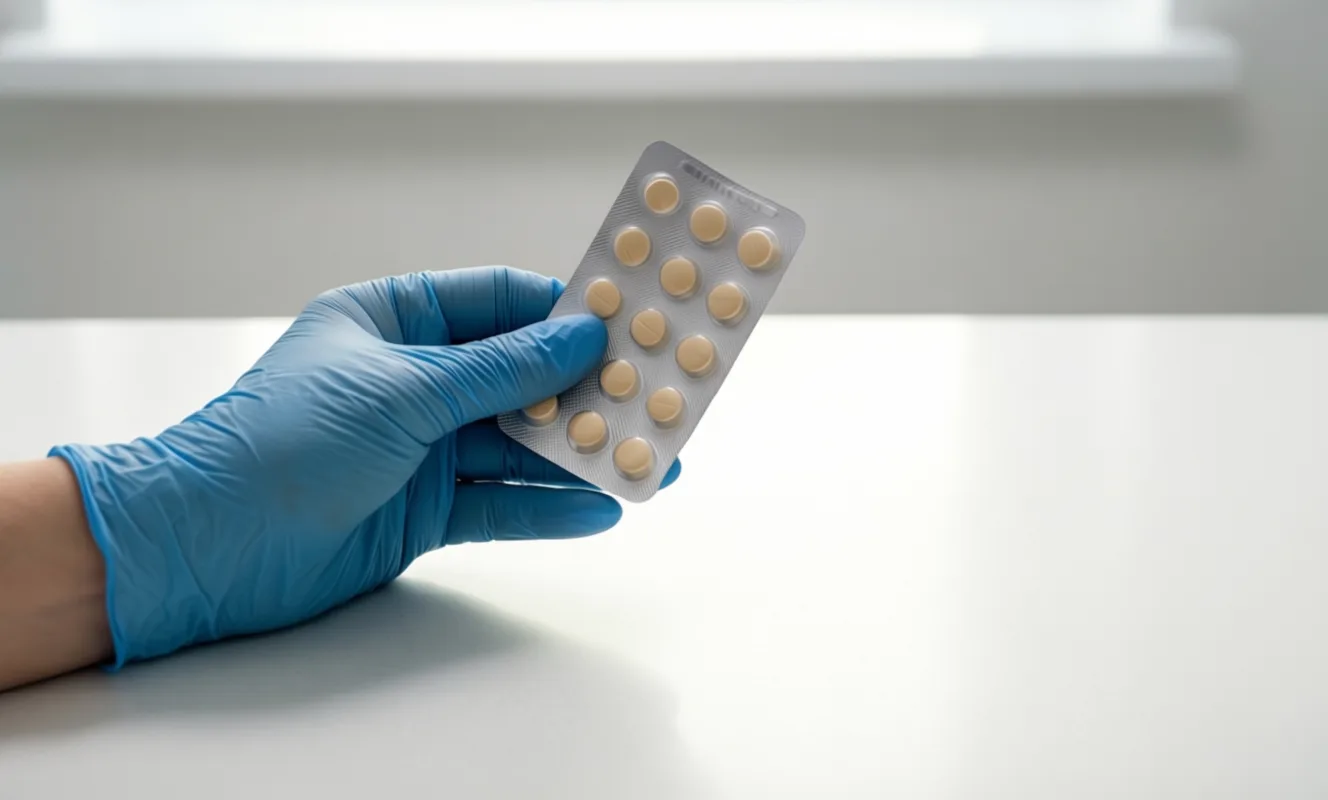
Small-molecule chemistry means a tablet that behaves like a conventional oral drug — no cold chain, no injection training.
What VISTA actually tested
VISTA is a phase 2, multicentre, double-blind, randomised, placebo-controlled, dose-ranging study conducted across sites in Australia, Canada, Germany, Japan, Taiwan, the United Kingdom and the United States. Adults were eligible if they had a BMI of 30 kg/m² or greater, or 27 kg/m² or greater with at least one weight-related condition; participants with type 2 diabetes were excluded from this particular cohort. Total treatment duration ran to 36 weeks.
Participants were randomised in a 2:3:3:3:3:5 ratio across five active arms and placebo: fixed daily doses of 5 mg and 15 mg without titration, a 50 mg arm reached via every-four-week dose escalation, and two 75 mg arms differing only in titration cadence (weekly versus every two weeks). That is an unusually busy dose-ranging design for a phase 2, and it tells you what the sponsor wanted to learn: not just whether the drug works, but how aggressively the dose can be pushed before tolerability collapses — the same titration problem that has shaped how injectable GLP-1s are prescribed.
The trial was double-blind across participants, treating physicians and sponsor, which is the standard architecture for credible weight-loss readouts in this class. As reported, it is the first phase 2 evidence for elecoglipron in people living with obesity or overweight without type 2 diabetes — a meaningful step, but a step, not a verdict.
A pill you can swallow with coffee is a different intervention than one that asks you to fast and wait — even if the receptor at the end is the same.
How to read a phase 2 result
Phase 2 is where a candidate earns the right to be expensive in phase 3. It is not where regulators approve drugs, and it is not where you find the answer to the question patients actually ask: how much weight will I lose, and at what cost in side effects, over a year or two? The 36-week window in VISTA is long enough to see meaningful body-weight change on a GLP-1 mechanism, but short of the 68- to 72-week horizons that have defined the pivotal trials for the injectable incumbents. Direct cross-trial comparisons — elecoglipron versus semaglutide, versus tirzepatide — are not what this dataset supports, and the published trial is placebo-controlled, not head-to-head.
The other open question is tolerability at the top of the dose range. GLP-1 agonists, regardless of molecule class, share a recognisable gastrointestinal side-effect profile, and the very existence of two different 75 mg titration schedules in VISTA hints that the sponsor is actively triangulating where the ceiling sits. Whether the small-molecule route produces a meaningfully different tolerability curve from the peptide route is a question phase 3 will have to answer.

Small-molecule GLP-1 agonists are designed from the receptor outward, not from the native peptide inward — a different chemistry problem with different manufacturing economics.
Why the access story may matter as much as the efficacy story
Injectable GLP-1s have been transformative and rationed at the same time. Supply has lagged demand; cold-chain logistics push them into pharmacy-only distribution; pen devices add manufacturing complexity that small-molecule tablets do not carry. A genuinely effective oral GLP-1 — manufactured at tablet scale, shipped at ambient temperature, prescribed through ordinary primary-care workflows — would change not the biology of obesity treatment but its plumbing. That is what makes the elecoglipron readout strategically interesting, even before the phase 3 data exist.
None of this is a reason to anticipate a prescription. Elecoglipron is not approved; the trial population deliberately excluded people with type 2 diabetes; and the doses, titration schedules and long-term safety story are still being assembled. The right posture is the one quantified-self readers tend to default to anyway: watch the data, note the trial registry, and wait for the phase 3 numbers before updating any priors.
- What it is: Elecoglipron (AZD5004) is an oral small-molecule GLP-1 receptor agonist — a different chemistry class than the peptide-based injectables and the existing oral peptide.
- The trial: VISTA is a phase 2, multicentre, double-blind, randomised, placebo-controlled, dose-ranging study over 36 weeks in adults with obesity or overweight without type 2 diabetes.
- The hook: Once-daily dosing reportedly does not require food or fluid restrictions, unlike the current oral peptide option.
- What it isn't: Phase 2 is not approval, and the trial was placebo-controlled, not head-to-head against injectable GLP-1s.
- The watch list: Tolerability at the top of the dose range, longer-duration data, and whether small-molecule chemistry translates into better access economics.
Frequently asked questions
Is elecoglipron available by prescription?
No. As reported, elecoglipron has phase 2 data from the VISTA trial; it is an investigational drug, not an approved medicine. Any clinical use would follow regulatory review of later-stage trials.
How is this different from the oral semaglutide already on the market?
The existing oral GLP-1 is a peptide formulated with an absorption enhancer and requires dosing on an empty stomach with a small sip of water and a waiting period before food. Elecoglipron is a small molecule reported to be taken once daily without food or fluid restrictions.
Who was studied in VISTA?
Adults aged 18 or older with a BMI of at least 30 kg/m², or at least 27 kg/m² with a weight-related condition, and without type 2 diabetes. Sites were located in Australia, Canada, Germany, Japan, Taiwan, the UK and the US.
Does VISTA show elecoglipron is better than injectable GLP-1s?
No. VISTA is a placebo-controlled trial, not a head-to-head comparison against semaglutide, tirzepatide or any other approved GLP-1. Cross-trial comparisons are not what this dataset supports.
How long did participants take the drug?
The VISTA treatment duration was 36 weeks. That is shorter than the 68- to 72-week pivotal trials that have defined approved weight-management GLP-1s, so longer-duration evidence remains to be generated.
Sources

Nutrition as the Missing Half of GLP-1 Therapy
A new review argues the drugs only do half the work. The other half — protein, symptom management, and a maintenance plan — happens on the plate.
The GLP-1 era has been narrated almost entirely as a pharmacology story — milligrams, titration schedules, percentage points of body weight shed in trial graphs. But anyone paying close attention to the lived experience of these drugs knows the real story is messier. Patients report queasy mornings, shrinking appetites that border on indifference toward food, and a quiet erosion of the muscle they spent years building. And then, for many, the weight comes back. A new narrative review in Nutrients reframes the situation bluntly: the medication is doing its job, but the plate has been left out of the protocol — and that is where the unsolved problems live.
The review, authored by an international team led by researchers at the University of Salerno and Universidad UTE, synthesizes evidence across pharmacology, nutrition, gastrointestinal physiology, body composition, and clinical implementation. Its central argument is straightforward: GLP-1 receptor agonists and dual GIP/GLP-1 agonists have transformed obesity treatment, producing substantial weight loss during active therapy — but real-world effectiveness is constrained by four recurring problems the drugs alone cannot solve. Gastrointestinal adverse events drive discontinuation. Reduced dietary intake creates micronutrient and protein gaps. Fat-free mass loss is bundled into the topline weight number. And when therapy stops, weight tends to return.
For the performance-oriented reader, that third item is the one that should sting. Topline weight loss is a blunt metric. What an endurance athlete or serious lifter actually cares about is the ratio underneath it — fat mass down, lean mass preserved. The review notes that fat-free mass loss as part of total weight reduction is a feature, not a bug, of aggressive caloric deficits regardless of the mechanism producing them. GLP-1s induce that deficit pharmacologically by blunting appetite and slowing gastric emptying. Without a deliberate counter-strategy, the body cannibalizes what it is not being asked to use.
The four problems the drug doesn't solve
Start with the gut. The same mechanisms that make incretin therapies effective — delayed gastric emptying, central satiety signaling — also produce the nausea, early fullness, constipation, and reflux that show up in trial adverse-event tables and patient forums alike. The review frames these as meal-related symptom burden, and that phrasing matters: the symptoms are not random, they are tied to how, when, and what the patient eats. Which means they are, at least partly, a nutrition problem.
Second, intake collapses. When appetite drops, total food volume drops with it, and the casualties tend to be the foods that require chewing and planning — lean proteins, fibrous vegetables, legumes. What stays easy is liquid calories and soft, refined carbohydrates. The review's authors argue this is the inflection point where a structured plan stops being optional. Protein prioritization, hydration targets, and fiber management have to be deliberate, because they will not happen by appetite alone.
Third, body composition. The review folds in evidence from the broader caloric-restriction and resistance-training literature to make the case that lean mass during a pharmacologic deficit is protected by two levers: adequate protein and a meaningful resistance-training stimulus. Neither is novel science. What is new is the explicit insistence that both belong inside the GLP-1 care pathway, not as afterthoughts a patient might Google between appointments.
Fourth, the cliff. Discontinuation studies have shown weight regain is the rule, not the exception, and the review identifies weight regain after discontinuation as a core limitation of current practice. The framework's response is to treat maintenance as a phase that is planned for from day one — not improvised after the prescription ends.

Protein prioritization is the lever the review treats as non-negotiable — appetite suppression makes adequacy a planning problem, not an intuition problem.
The medication is doing its job. The plate has been left out of the protocol.
What a nutrition-first protocol actually contains
The review translates pharmacology into a set of practical strategies that, taken together, form what the authors call a nutrition-first framework. The components are familiar to anyone who has read serious body-composition literature, but the framing — explicitly paired with incretin therapy — is what is new.
The pillars are protein prioritization, structured meal patterns, hydration and fiber management, symptom-targeted interventions, resistance-training support, and maintenance planning. Structured meal patterns matter because appetite-blunted patients often default to one or two reluctant meals; spreading protein across the day is mechanically difficult when you are not hungry, which is exactly why the review treats meal timing as a planned variable rather than a preference. Symptom-targeted interventions — smaller portions on injection days, lower-fat choices when nausea spikes, careful fiber titration to avoid the constipation-bloating loop — are presented as adjustable dials, not blanket rules.
The honest caveat is right there in the paper. Direct trials of structured nutrition interventions in GLP-1RA- or dual incretin-treated populations remain limited, and several recommendations are extrapolated from adjacent literatures — general obesity care, caloric restriction studies, body-composition research, GI management, and expert consensus. That is why the evidence rating on this piece is moderate, not strong. The framework is a coherent translation of what we know; it is not yet a stack of randomized trials that tested the framework itself.
Why this lands harder for athletes
Most coverage of GLP-1s is aimed at a general weight-loss audience. For endurance and strength athletes, the calculus is sharper. A cyclist who loses ten percent of body weight but three percent of lean mass has not improved her power-to-weight ratio in the way the scale suggests. A masters lifter who lets protein intake drift below maintenance during a year of semaglutide is borrowing from a savings account he spent a decade funding. The review's emphasis on resistance-training support is the part performance readers should underline twice — the training stimulus is what tells the body which tissue to keep.
Hydration deserves a sidebar of its own. Appetite suppression often suppresses thirst cues, and endurance training piled on top of reduced intake is the kind of combination that produces preventable underperformance long before it produces a clinical problem. The review treats fluid adequacy as a first-order variable, not a footnote.
- Pharmacology is half the protocol. The review argues GI symptoms, lean-mass loss, and post-discontinuation regain are nutrition problems the drug cannot solve.
- Protein is the non-negotiable. Appetite suppression makes adequacy a planning problem; structured meal patterns matter more than they would in a non-medicated deficit.
- Resistance training is the lean-mass signal. The deficit is pharmacologic; the stimulus to preserve muscle still has to come from the gym.
- Symptoms are tunable. Meal size, fat content, and fiber are dials patients can adjust against nausea and constipation rather than enduring them.
- Maintenance starts on day one. Weight regain after discontinuation is the rule; a framework that plans the exit ramp early is the review's structural answer.
- Evidence is moderate, not settled. Direct trials in GLP-1 populations are limited; much of the framework is extrapolated from adjacent obesity and body-composition literature.
Frequently asked questions
Does the review say GLP-1 drugs cause muscle loss?
It frames fat-free mass loss as part of total weight reduction during therapy — a consequence of the caloric deficit the drugs produce, not a unique drug toxicity. The proposed countermeasures are adequate protein and resistance-training support.
How much protein should I aim for on a GLP-1?
The review prioritizes protein but this article does not prescribe a number, and you should not take a magazine target as a dose. Discuss a protein goal appropriate to your training load and clinical situation with your prescriber or a registered dietitian.
Will the weight come back if I stop?
The review identifies weight regain after discontinuation as one of the core limitations of current practice, which is why it treats maintenance planning as a pillar of the framework rather than a postscript.
What can I actually do about the nausea?
The review describes symptom-targeted interventions — adjustments to meal size, fat content, and fiber — as practical dials. Specifics should be worked out with your clinician based on your symptom pattern.
Is this framework proven?
Not in the strong sense. The authors are explicit that direct trials of structured nutrition interventions in GLP-1 and dual incretin populations are limited, and several recommendations are extrapolated from adjacent literatures. The evidence is moderate and the framework is a translation of current knowledge, not a tested protocol.
The most useful thing about the Nutrients review is not any single recommendation. It is the reframing. For two years the public conversation about GLP-1s has treated the drugs as the intervention and everything else as garnish. The authors are saying, politely but firmly, that the garnish is load-bearing — and that the unsolved problems of incretin therapy will keep being unsolved until the plate is treated as part of the prescription.

The Endothelial Supplement Stack: A New Meta-Analysis Ranks What Actually Moves FMD
A 2026 network meta-analysis sorts nutraceuticals by how much they improve flow-mediated dilation in people with cardiovascular disease or hypertension — and the leaderboard is narrower than the marketing suggests.
Flow-mediated dilation is the closest thing endothelial physiology has to a dashboard light. Inflate a cuff on the upper arm, cut off blood flow for five minutes, release, and watch — by ultrasound — how much the brachial artery widens as a rush of blood returns. That percentage swell is FMD, and it is one of the more honest non-invasive readouts of nitric-oxide-driven vascular function we have. Push it up, and you are, in a real mechanistic sense, telling the artery's inner lining to behave more like the artery of a younger, healthier person. So when a network meta-analysis lands that ranks supplements by exactly how many percentage points they shift FMD in patients with cardiovascular disease or hypertension, it is worth slowing down to read carefully.
The paper, published in Current Atherosclerosis Reports in 2026, pools randomized trials of dietary interventions and uses a network meta-analysis to compare them indirectly when no head-to-head trial exists. The output is a ranked list with two numbers attached to each supplement: a mean difference in FMD (in percentage points), and a GRADE certainty-of-evidence rating that tells you how much to trust the estimate. Read together, they sort signal from noise in a category where noise is the default.
Two compounds top the table with the strongest certainty grade the authors give out. Magnesium produced a mean difference of 8.17 percentage points in FMD, with high certainty of evidence; vitamin D3 came in just behind at 7.84 points, also rated high certainty. For context, those are not subtle shifts — they are the kind of magnitude usually associated with lifestyle interventions like aerobic training programs, not a capsule.
What the leaderboard actually says
Below the two leaders, the certainty grades start to fray. Flaxseed posted a mean difference of 7.39 points, but on low-certainty evidence; barberry came in at 6.64 points with moderate certainty; folic acid added 3.36 points on low-certainty evidence; and omega-3 — the supplement most readers probably already own — managed only a 1.83-point bump, rated very low certainty. The authors note that sensitivity analyses did not unravel the top of the ranking, which is reassuring for the magnesium and D3 signals in particular.
The shape of that list matters more than any single number. The strongest effects belong to two cheap, well-characterized micronutrients with plausible mechanistic stories — magnesium as a cofactor in vascular smooth-muscle relaxation and nitric oxide signaling, vitamin D3 as a regulator of endothelial and renin-angiotensin pathways. Several flashier options — including the omega-3 that anchors most cardiovascular supplement aisles — sit lower on the list with weaker evidence behind them.
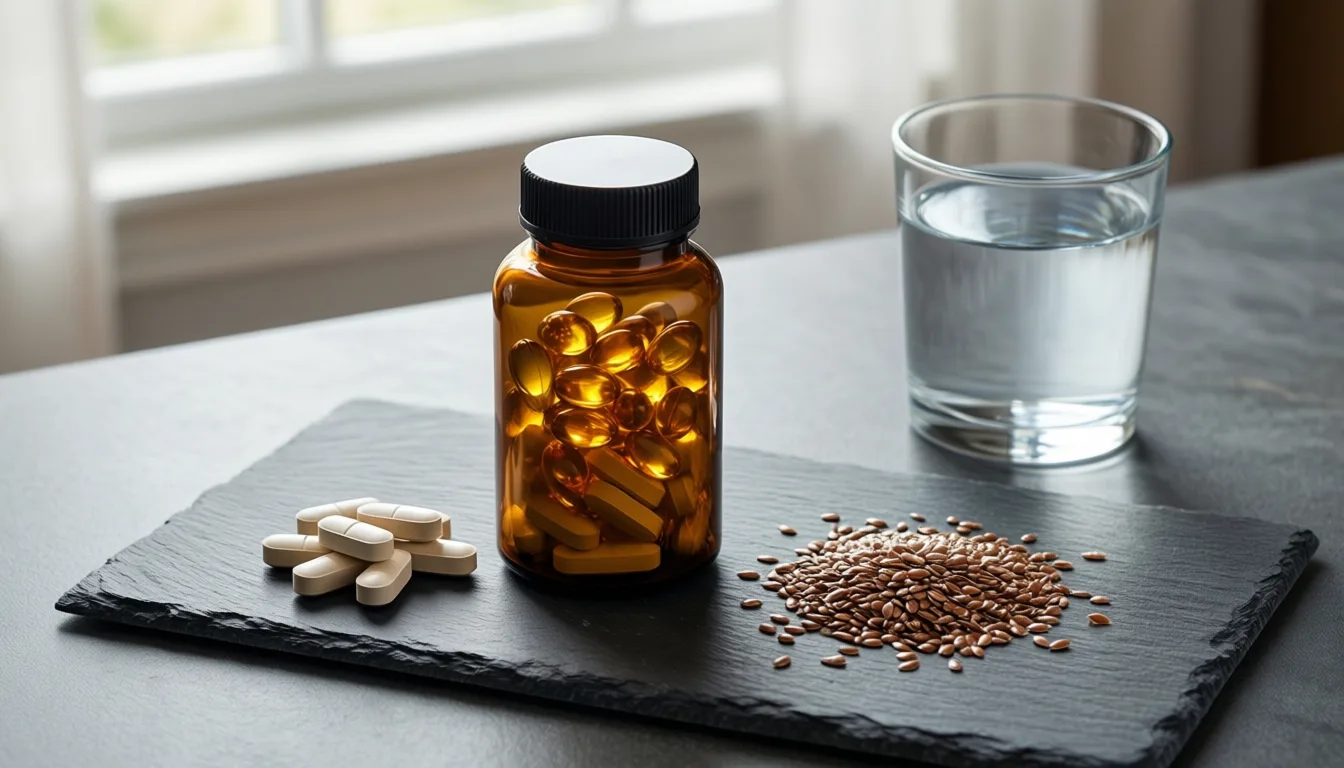
Two of the strongest endothelial signals in the new network meta-analysis come from the least glamorous shelf in the supplement aisle.
The strongest FMD signals belong to two cheap, well-characterized micronutrients — not the flashiest bottles on the shelf.
How to read a network meta-analysis without overreading it
A network meta-analysis is a useful synthesis tool, not a verdict. It chains together trials that often used different doses, durations, baseline populations, and FMD measurement protocols, then estimates indirect comparisons through a statistical web. The GRADE certainty rating is the field's attempt to flag how much of that machinery is load-bearing on shaky inputs. When a result earns a high rating — as magnesium and vitamin D3 did here — it means the underlying trials were consistent, reasonably sized, and at low risk of bias. When the rating slides to low or very low, the headline number is more of a hypothesis than a finding.
There are a few specific cautions worth carrying into the next conversation about supplements. The trials feeding this analysis were conducted in people with cardiovascular disease or hypertension — populations whose endothelial function has more room to improve than a healthy thirty-year-old's. Extrapolating an 8-point FMD bump to a recreational athlete with normal blood pressure is exactly the kind of leap the data does not support. And FMD is a surrogate marker: a real-time readout of vascular behavior, strongly correlated with cardiovascular outcomes in observational work, but not the same thing as a reduction in heart attacks or strokes proven in a trial.
None of that erases the practical signal. It just clarifies what the signal is. The authors frame their results as a basis for designing future trials and developing evidence-based nutritional guidelines, positioning these compounds as potential adjunct therapies for preserving vascular health — not as replacements for the things that actually lower events, like blood pressure control, statins where indicated, exercise, and sleep.
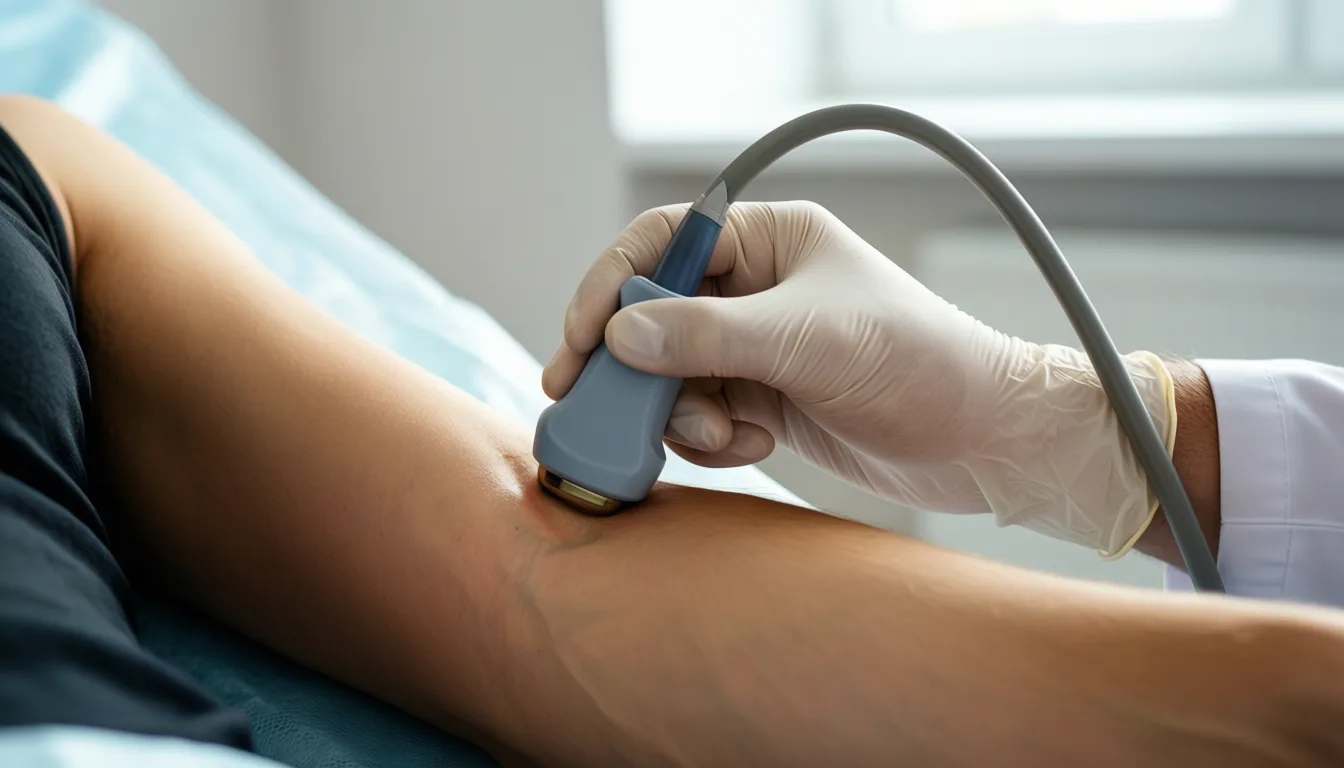
FMD measures how much the brachial artery widens after a brief occlusion — a window onto nitric-oxide signaling in the endothelium.
Where this leaves a careful reader
For an endurance athlete already eating well, the takeaway is less about adding bottles and more about checking the basics. Magnesium and vitamin D status are both routinely under-replete in heavy trainers, and both showed up at the top of an endothelial-function ranking on the strongest evidence grade in this analysis. Whether correcting a deficiency in an otherwise healthy person produces FMD improvements anywhere near the magnitudes seen in patient populations is, candidly, not what the trials were designed to answer.
The honest read of this meta-analysis is narrow but useful. If you already have a cardiovascular or hypertensive diagnosis, the data suggest magnesium and vitamin D3 are reasonable adjunct conversations to have with a clinician, with the strongest evidence behind them of the supplements tested. Several other options on the list remain plausible but underpowered. Omega-3, despite its cultural status, did not perform impressively on this particular endpoint with this particular evidence base. None of that is a prescription — it is a sharper map of what the literature currently supports.
- Two leaders, one grade: Magnesium (+8.17) and vitamin D3 (+7.84) topped the FMD ranking on high-certainty evidence.
- Flashy ≠ strong: Omega-3 produced only a 1.83-point bump on very-low-certainty evidence in this analysis.
- Population matters: Trials were in cardiovascular disease and hypertension patients — not healthy athletes.
- FMD is a surrogate: Moving it is biologically meaningful but not the same as proving fewer heart attacks.
- Talk to a clinician: Especially before stacking supplements alongside existing cardiovascular medications.
Frequently asked questions
What is flow-mediated dilation and why does it matter?
FMD is an ultrasound measurement of how much your brachial artery widens after a brief blood-flow occlusion — a non-invasive readout of nitric-oxide-driven endothelial function. Better FMD generally tracks with better vascular health, though it remains a surrogate marker rather than a hard outcome.
Which supplements ranked highest in the new meta-analysis?
Magnesium (mean difference 8.17 points) and vitamin D3 (7.84 points) led the rankings, both on high-certainty evidence. Flaxseed, barberry, folic acid, and omega-3 followed with progressively weaker certainty grades.
Does this mean healthy athletes should start taking magnesium and vitamin D3?
The trials studied people with cardiovascular disease or hypertension, not healthy athletes. The data don't directly support an FMD benefit in trained, normotensive readers, though correcting a documented deficiency is a separate, clinician-led conversation.
Why did omega-3 perform so modestly?
In this specific analysis, omega-3 produced only a 1.83-point FMD improvement and was rated very low certainty. That is a comment on this endpoint and this evidence base — not a global judgment on omega-3 for other cardiovascular outcomes.
Is improving FMD the same as preventing a heart attack?
No. FMD correlates with cardiovascular risk but is a surrogate marker. The authors frame these nutraceuticals as potential adjunct therapies for vascular health, not replacements for treatments with proven outcome benefits.
Sources
- Comparative Efficacy of Nutraceuticals on Endothelial Function: A Systematic Review and Network Meta-Analysis. — Current atherosclerosis reports

The GLP-1 Era Matures: Oral Pills, Surgery Timing, and an Addiction Crossover
New real-world data is shifting the GLP-1 conversation from 'does it work' to 'how to use it without getting hurt.' Here's what the latest evidence actually says.
The GLP-1 conversation has changed. A couple of years ago every headline was the same headline: a peptide-class drug that made people lose weight at rates the obesity field had stopped expecting. That story is still true, but it is no longer the only one. In the past few weeks alone, four separate strands of evidence have pushed the field somewhere more interesting — and more nuanced. We now have real-world dose-escalation data from a 500-patient Turkish cohort, fresh practical guidance on the oral version of semaglutide, a surgical study on when to stop the drug before abdominoplasty, and an exploratory signal that GLP-1 and GIP receptor agonists might intersect with addiction medicine. The era of does it work is closing. The era of how do we use this thing well is opening.
- Dose matters, but so does tolerance. In a Turkish real-world cohort, higher semaglutide doses drove bigger HbA1c drops — but nearly a quarter of patients didn't finish the study.
- The pill is real. Oral semaglutide is approved for obesity and reportedly delivers weight loss comparable to the injection — if you can stick to its strict empty-stomach ritual.
- Surgery timing is not a footnote. Continuing semaglutide right up to abdominoplasty was linked to a 45% complication rate; a 4-week washout brought that down to control levels.
- The addiction signal is early. In dual opioid + alcohol use disorder, GIP/GLP-1 prescriptions were associated with lower overdose risk in one subgroup — exploratory, not a green light.
- The framing has shifted. This is now a class of drugs to be managed, not just prescribed.
What the dose-escalation data actually shows
Start with the cleanest of the four findings. The SEMA-TR study followed 500 adults with type 2 diabetes in the Çukurova region of Türkiye who initiated semaglutide between 2024 and 2025, grouped by the maximum dose they tolerated: 0.25 mg, 0.50 mg, or 1.00 mg. Over 30 weeks, the overall mean HbA1c reduction was 1.03 percentage points — a meaningful drop in a real clinic, not a tightly controlled trial. The dose-response was clean: roughly 0.72, 1.02, and 1.27 percentage points across the three groups, with insulin-dose reductions becoming more frequent as patients climbed the ladder (40%, 41%, and 51%).
That is the part that will get quoted. The part that should get quoted alongside it: 117 of the 500 patients — 23.4% — discontinued therapy. Real-world means real attrition. Gym-floor translation: the people who tolerate the climb to the higher doses get bigger results, but a non-trivial slice never gets there. The dose is doing work. So is patient selection.

Dose escalation isn't a formality — the SEMA-TR data suggests the climb is where most of the metabolic benefit lives.
The pill is real — but the ritual is non-negotiable
Oral semaglutide was the first oral GLP-1 receptor agonist approved for type 2 diabetes, and the new evidence-informed clinical guidance from Rubino and colleagues walks through its expanded role in obesity management and cardiovascular risk reduction. The authors describe weight loss comparable to subcutaneous GLP-1 therapies, alongside improvements in cardiometabolic risk factors. That is the headline. The fine print is the administration protocol, and it is genuinely strict.
To absorb properly, oral semaglutide has to be taken first thing in the morning, on an empty stomach, with no more than half a glass of plain water — up to 120 mL, roughly four fluid ounces — and then nothing else for 30 minutes. No food, no coffee, no other pills, no protein shake on the way to the gym. The guidance leans hard on person-centered conversations before initiation: realistic expectations, adverse-event preparation, and an honest look at whether a patient's morning routine can actually accommodate the protocol. The pill is real. The discipline it demands is real too.
The era of 'does it work' is closing. The era of 'how do we use this thing well' is opening.
Surgery, timing, and a number that should make you pause
If you or someone in your training group is on a GLP-1 and considering a body-contouring procedure after weight loss, the retrospective study by Agostino and colleagues is the one to read. Eighty patients undergoing primary lipoabdominoplasty were divided into four matched groups: semaglutide continued until surgery, two-week discontinuation, four-week discontinuation, and semaglutide-naïve controls. Thirty-day complication rates told a steep story — 45% in the continuation group, 30% at two weeks, 10% at four weeks, and 10% in the controls. The reported complications included wound dehiscence, infection, and seroma formation, with more gastrointestinal intolerance and longer drain duration in patients with ongoing semaglutide use. No reoperations or readmissions occurred.
This is a single retrospective study of 80 patients at one institution — not a verdict. But the gradient is hard to ignore, and it lines up with the broader peri-operative concern about delayed gastric emptying on GLP-1 therapy. The practical read: anyone with semaglutide on board and elective surgery on the calendar needs that conversation with their surgeon and prescriber early, not the week before.

The peri-operative window is becoming one of the most important — and least discussed — chapters of the GLP-1 story.
The addiction crossover: interesting, early, not a prescription
The fourth strand is the most speculative and the most fascinating. An exploratory retrospective cohort study by Qeadan and colleagues, drawing on de-identified records from 149 U.S. health systems between 2014 and 2024, looked at 107,217 patients aged 12 and older with co-occurring opioid and alcohol use disorders. Using marginal structural survival models with stabilized inverse probability weighting, the authors estimated that GIP/GLP-1 receptor agonist prescriptions were associated with a lower risk of all-drug overdose among patients not receiving first-line medications for opioid or alcohol use disorder — an adjusted hazard ratio of 0.61 (95% CI 0.32–0.98).
Read that sentence twice. It is an exploratory association in a stratified subgroup of a retrospective EHR cohort. The authors frame it that way deliberately. It is not evidence that GLP-1s treat addiction, and it should not be used to justify off-label prescribing. What it is: a signal worth following with prospective work, in a clinical area — co-occurring substance use disorders — where existing medications are chronically underused. File it under watch this space.
Reader questions, answered honestly
Frequently asked questions
Is the oral version of semaglutide as effective as the injection?
The new clinical guidance describes weight loss comparable to subcutaneous GLP-1 therapies, alongside improvements in cardiometabolic risk factors — but only if the strict empty-stomach, half-glass-of-water, wait-30-minutes protocol is followed. Absorption depends on it.
Do I really need to climb to the highest dose to get benefit?
Not necessarily. The SEMA-TR real-world cohort showed meaningful HbA1c reductions even at the 0.25 mg dose, but the largest reductions and the highest rates of insulin-dose cuts occurred in the 1.00 mg group. Dose response is real; tolerance is individual.
How long before surgery should semaglutide be stopped?
This is a decision for your surgeon and prescriber, not a magazine. That said, in the abdominoplasty study, a four-week discontinuation was associated with complication rates equivalent to semaglutide-naïve controls, while continuing the drug until surgery was associated with a 45% complication rate.
Can GLP-1 medications help with addiction?
It is too early to say. One exploratory retrospective cohort found GIP/GLP-1 prescriptions associated with lower all-drug overdose risk in a specific subgroup of patients with co-occurring opioid and alcohol use disorders. That is a signal worth studying, not a treatment recommendation.
What's the realistic dropout rate on semaglutide?
In the Turkish real-world cohort, 23.4% of patients discontinued therapy over 30 weeks. Real-world adherence is lower than trial adherence — something to factor in honestly before starting.
Where this leaves a smart lifter
The throughline across all four studies is the same: this drug class works, and it has edges. The edges are where the next two years of evidence are going to live — dosing strategy, formulation choice, peri-operative protocols, and the genuinely novel question of whether GLP-1 biology touches reward circuitry in ways that matter clinically. None of that requires hype to be interesting. It just requires reading carefully. If you are a candidate for one of these medications, the conversation to have with your clinician in 2026 is not should I try this. It is how do we use it well, and for how long, and what's the off-ramp. That is what a mature drug class looks like.
Sources
- Evaluation of the Efficacy of Semaglutide Dose Escalation in Reducing HbA1c Levels and Insulin Dose in Type 2 Diabetes Patients: Real-World Semaglutide Data from Türkiye, SEMA-TR Study. — Journal of clinical medicine
- Evidence-informed guidance for the clinical use of oral semaglutide in obesity management. — Postgraduate medicine
- Impact of Preoperative Semaglutide Discontinuation Timing on Postoperative Outcomes in Aesthetic Abdominoplasty: A Retrospective Comparative Study. — Aesthetic plastic surgery
- Exploratory associations between co-occurring opioid and alcohol use disorders and GIP/GLP-1 receptor agonist treatment. — Communications medicine

The Allostatic Load Era: Putting a Number on a Lifetime of Wear
A large UK Biobank analysis turns the abstract idea of cumulative physiological stress into a measurable signal — and links it, dose by dose, to how long we live.
For decades, the idea that stress quietly wears the body down has been more poetry than measurement. We have talked about it the way mechanics talk about a car that has seen a lot of road — vague, knowing, hard to put on paper. A new analysis out of the UK Biobank tries to put it on paper. Researchers took twelve routine lab markers, added them into a single score from zero to twelve, and followed nearly forty thousand deaths over roughly fifteen years to see whether that number tracked with how long people lived. It did, in a steady dose-response line that is hard to wave away.
The concept the researchers are testing is called allostatic load — the cumulative physiological cost of staying adapted to a demanding life. Heart, metabolism, immune system, kidneys: each one carries part of the load, and each one leaves a fingerprint in standard blood work. The new paper, published in BMC Public Health, pools twelve of those fingerprints into one composite and asks a plain question: does a higher score mean a shorter life? Across UK Biobank participants aged 40 to 69, with a mean age of 56.6 and a median follow-up of 15.4 years, the answer was yes — in a dose-response pattern, with every trend test landing below the standard threshold for chance.
What makes the finding worth a column is not novelty — researchers have been chasing allostatic load for thirty years — but scale and discipline. This is a prospective cohort, not a snapshot. The score is built from markers your doctor already orders. And the deaths are not theoretical: 39,804 of them, including 14,852 from cancer, 7,118 from cardiovascular disease, 1,938 from respiratory disease, and 1,521 from digestive disease. That is enough signal to start asking what the number is actually telling us.
What the score actually measured
The twelve markers span four systems the body cannot fake its way through: cardiovascular, metabolic, immune, and kidney. Each one contributes a point when it drifts into a high-risk range, and the points add up. A score of two is a quiet life; a score of nine is a body running several alarms at once. The authors describe it as quantifying multisystem dysregulation, which is a careful way of saying that no single broken gauge tells the story — it is the chorus that matters.
The mortality gradient was not subtle. Each one-point rise in the score was associated with a 20 percent higher subdistribution hazard for cardiovascular death (sHR 1.20, 95% CI 1.18–1.21) and a 25 percent higher hazard for digestive-disease death (sHR 1.25, 95% CI 1.21–1.29). Cancer mortality moved too, but more modestly — an sHR of 1.08 per point (95% CI 1.07 and up) — which fits a long-standing pattern in this kind of research: cardiovascular and metabolic outcomes tend to respond more sharply to integrated stress measures than malignancies do.

Twelve routine markers, one composite score: the building blocks of an allostatic load reading.
No single broken gauge tells the story. It is the chorus that matters.
Why this is interesting, and where to stay measured
For readers who have been following the biological-age conversation — the epigenetic clocks, the proteomic panels, the at-home kits with confident dashboards — allostatic load occupies a different lane. It is not trying to estimate the age of your cells. It is trying to estimate how hard your systems have been working to keep you upright. The two views are complementary. A clock tells you what time it is on the body; a load score tells you how heavy the bag has been.
The honest framing here is moderate evidence, and the language should match. This is one large, well-powered observational cohort. It cannot prove causation, it cannot rule out that the underlying diseases drove the markers rather than the other way around, and UK Biobank participants are famously healthier and whiter than the general UK population — which limits how cleanly the numbers generalize. The 12-marker recipe is also not the only one in circulation; different research groups use different combinations, and the field has not settled on a single standard. None of that erases the signal. It does mean a doctor is not going to hand you an allostatic load score at your next physical, and the score is not yet ready to drive individual decisions.
What it can do, today, is sharpen how we think about the markers we already see. Blood pressure, fasting glucose, HDL, C-reactive protein, creatinine — those numbers are usually read one at a time, each compared to its own threshold. The allostatic framework suggests something the long-view reader will recognize: it is the accumulation that matters, and the accumulation is countable. That is a useful mental model even before the score itself reaches the clinic.

The interventions that lower the individual markers — movement, sleep, weight, the obvious ones — are the same ones that, in theory, lower the composite.
- One score, twelve gauges. The allostatic load composite pulls cardiovascular, metabolic, immune, and kidney markers into a single 0–12 number.
- The gradient is steady. In UK Biobank, each one-point increase tracked higher all-cause and cause-specific mortality in a dose-response pattern.
- Cardiovascular and digestive deaths moved most. Per-point hazard ratios were 1.20 for CVD and 1.25 for digestive disease; cancer was a more modest 1.08.
- Complement to biological age, not a replacement. Clocks estimate cellular age; load scores estimate cumulative system strain.
- Moderate evidence, not a clinic-ready test. This is observational, the cohort skews healthy, and the 12-marker recipe is not standardized.
Frequently asked questions
Is allostatic load the same as biological age?
No. A biological-age clock estimates how old your cells appear to be; an allostatic load score estimates how much cumulative strain your major systems are carrying. They are related ideas measured in different ways and are best read as complementary.
Can I ask my doctor for an allostatic load score today?
Probably not as a formal test. The 12-marker recipe used in this study is a research tool, not a standardized clinical panel. But the individual markers — blood pressure, glucose, lipids, inflammation, kidney function — are routine, and a clinician can interpret them together.
Which causes of death tracked most closely with the score?
In this cohort, cardiovascular and digestive-disease deaths showed the steepest per-point increases (sHRs of 1.20 and 1.25 respectively), with cancer mortality moving more modestly at 1.08 per point.
Does this prove stress shortens life?
It does not. This is a prospective observational cohort, which can show strong associations but cannot establish cause. The score also captures the downstream physiology of many things — not only psychological stress.
What can I actually do with this idea?
Treat it as a framing tool rather than a test result. The markers that build the score respond to the familiar levers — activity, sleep, weight, blood pressure and glucose control — and the study reinforces that those levers act on the whole system, not on one number at a time. Specific decisions belong with your clinician.
The useful thing about a measurable wear-and-tear score is the same thing that makes it humbling: it counts what you have already spent. It does not tell you what to do next. But it nudges the conversation about longevity away from chasing a single biomarker and toward something closer to how the body actually ages — as a portfolio of small dysregulations that, summed up, decide how much road is left.
Sources

Aging Clocks Go Multi-Omics: The Next Generation of Biological Age Tests
Epigenetic age tests were just the prototype. A new wave of clocks stitches together DNA, proteins, metabolites, and microbes — and AI is the thread.
So here's the obvious beginner question: if I already know how old I am, why would I pay someone to tell me again? The answer is that your birthday measures how many times Earth has lapped the sun — not how your cells are actually doing. That second number is what scientists call biological age, and for the last decade they've been trying to read it off your DNA. Now, according to a 2026 review in Aging Cell, the field is leveling up: the next generation of aging clocks doesn't just look at DNA. It looks at almost everything else, too, and lets AI do the math.
Quick gloss before we go further. An aging clock is a tool that estimates biological age from a biological sample. The first famous ones — you may have seen them sold as at-home tests — were epigenetic clocks. They read chemical tags called methylation marks sitting on top of your DNA, kind of like Post-it notes telling genes when to switch on or off. Patterns in those notes change with age in fairly predictable ways, so researchers trained models to guess your age from the pattern. Cool trick. But also a narrow one.
The new review, led by Liu and colleagues, basically argues that one layer of biology was never going to be enough. Aging is messy — it touches your genes, your gene activity, your proteins, your metabolism, even the trillions of microbes in your gut. So the field is pivoting to multi-omics clocks that try to read several of those layers at once and combine them into one number. The authors describe this as a move from epigenetic-based aging prediction toward multi-omics and multi-modal aging clocks.
What "multi-omics" actually means
Think of your body as a building with several floors, and each "-omic" is a different floor plan:
- Epigenomics — the on/off tags on your DNA.
- Transcriptomics — which genes are actively being read right now.
- Proteomics — the proteins those genes produce, doing the real work.
- Metabolomics — the small molecules left over from your body's chemistry (sugars, fats, amino acids).
- Microbiomics — the bacteria living in and on you, especially your gut.
Old-school clocks looked at one floor. Multi-omics clocks try to look at the whole building. The Liu review notes these tools draw on epigenetic, transcriptomic, proteomic, metabolic, and microbial information, together with functional biomarkers — the last bit meaning real-world measurements like grip strength or lung function.

Each "omic" is a different slice of biology. Stacking them gives a fuller picture of how a body is aging.
Why AI changes the math
Here's the catch: stacking five floors of biology gets overwhelming fast. A single blood sample can spit out tens of thousands of data points. No human is going to spot the pattern that says "this 45-year-old's heart is aging like a 55-year-old's." That's where machine learning comes in.
The review describes how ensemble learning and deep learning techniques have become the engine room of modern aging clocks. Ensemble learning means combining the answers of many smaller models — like asking a roomful of specialists and averaging their guesses. Deep learning uses layered neural networks that can find patterns no single specialist would spot. Together, the authors write, these methods can efficiently synthesize and analyze high-dimensional, multi-modal biological data.
Translation: the AI is good at the part humans are bad at — finding faint signals across messy, mismatched data types — and that's what makes a multi-omics clock possible at all.
Your birthday measures how many times Earth has lapped the sun. Biological age measures how your cells are actually doing.
Where this is heading in the clinic
This is where I want to be careful, because the hype train on aging clocks moves fast and the evidence is still catching up. The review's own framing is measured: these tools show significant potential for preventive medicine, early detection of chronic conditions, and tracking whether an intervention (a drug, a diet, an exercise program) is actually moving the needle. "Significant potential" is researcher-speak for promising, not yet routine.
What the authors do claim with more confidence is that the newer, AI-built clocks have made notable progress in terms of accuracy, interpretability, and generalizability compared to earlier generations. Interpretability matters a lot here — an aging clock isn't very useful in a clinic if it can't tell the doctor why it thinks you're aging faster. The newer models are getting better at pointing to which biological layer is driving the score.
Still, this is a review of where the field is going, not a verdict that any specific test is ready for your annual physical. The clocks are inching toward clinical use; they haven't arrived.

The promise: a richer conversation about how you're aging — not a verdict.
- Biological age ≠ chronological age. Clocks try to measure how your body is wearing, not how long you've been around.
- The first wave was epigenetic. It read methylation marks on DNA — one biological layer.
- The next wave is multi-omics. It combines DNA tags, gene activity, proteins, metabolites, microbes, and functional measures.
- AI is the connective tissue. Ensemble and deep learning models stitch the layers together.
- Clinical use is close, not here. Reviewers describe "significant potential" for preventive care and intervention tracking — not routine practice yet.
- Ask before you buy. Direct-to-consumer tests vary widely; talk to a clinician about what a result would actually change.
Frequently asked questions
Is a multi-omics aging clock available at my doctor's office?
Not as a standard test. The 2026 Aging Cell review frames these clocks as showing significant potential for preventive medicine and intervention monitoring — language that signals promising research, not routine clinical use.
What's the difference between an epigenetic clock and a multi-omics clock?
An epigenetic clock reads one layer of biology — chemical tags on your DNA. A multi-omics clock combines several layers, including gene activity, proteins, metabolites, and gut microbes, and uses AI to integrate them.
Why does AI matter for this?
Each "omic" produces thousands of measurements. The review notes that ensemble learning and deep learning are what make it feasible to synthesize this kind of high-dimensional, multi-modal data into a single readout.
Can these tests tell me how to live longer?
Not directly. The review positions them as tools to potentially track whether interventions are working — but which interventions reliably move the clocks, and by how much, is still being worked out. Any lifestyle or medical decisions should involve a clinician.
Should I take an at-home biological age test?
That's a personal call and a good question for your doctor. The science behind clinical-grade multi-omics clocks is advancing, but consumer tests vary in what they measure and how rigorously they've been validated.
The honest takeaway: aging clocks are growing up. They started as a clever DNA trick and are turning into something more like a dashboard — multiple gauges, one integrated readout, AI under the hood. If they live up to the review's framing, the eventual payoff isn't a single magic number telling you when you'll die. It's a tool clinicians can use to spot trouble earlier and tell whether the thing you're already doing — the sleep, the training block, the new medication — is actually helping the cells that matter.
That's a less dramatic story than "reverse your age in 30 days." It's also, refreshingly, a more real one.