
Metabolic Health
What Happens to Your Cholesterol When You Stop Drinking
A massive Japanese cohort study tracked the exact moments adults quit — or started — drinking, and watched their LDL and HDL move in opposite directions.
Press Enter to search · Esc to close
A massive Japanese cohort study tracked the exact moments adults quit — or started — drinking, and watched their LDL and HDL move in opposite directions.

Two 2025 papers connect how we eat — and when — to the metabolic stress pathways behind a stubborn form of heart failure. The science is promising, the certainty is not.

Two new studies reframe the conversation around metabolic health in later life — pointing to skeletal muscle, mitochondria, and medication choice as the quiet variables that matter.

A major European Heart Journal review reframes excess weight as a driver of the heart's biological aging itself. The implication: weight reduction may be less about preventing one bad day and more about extending healthy years.
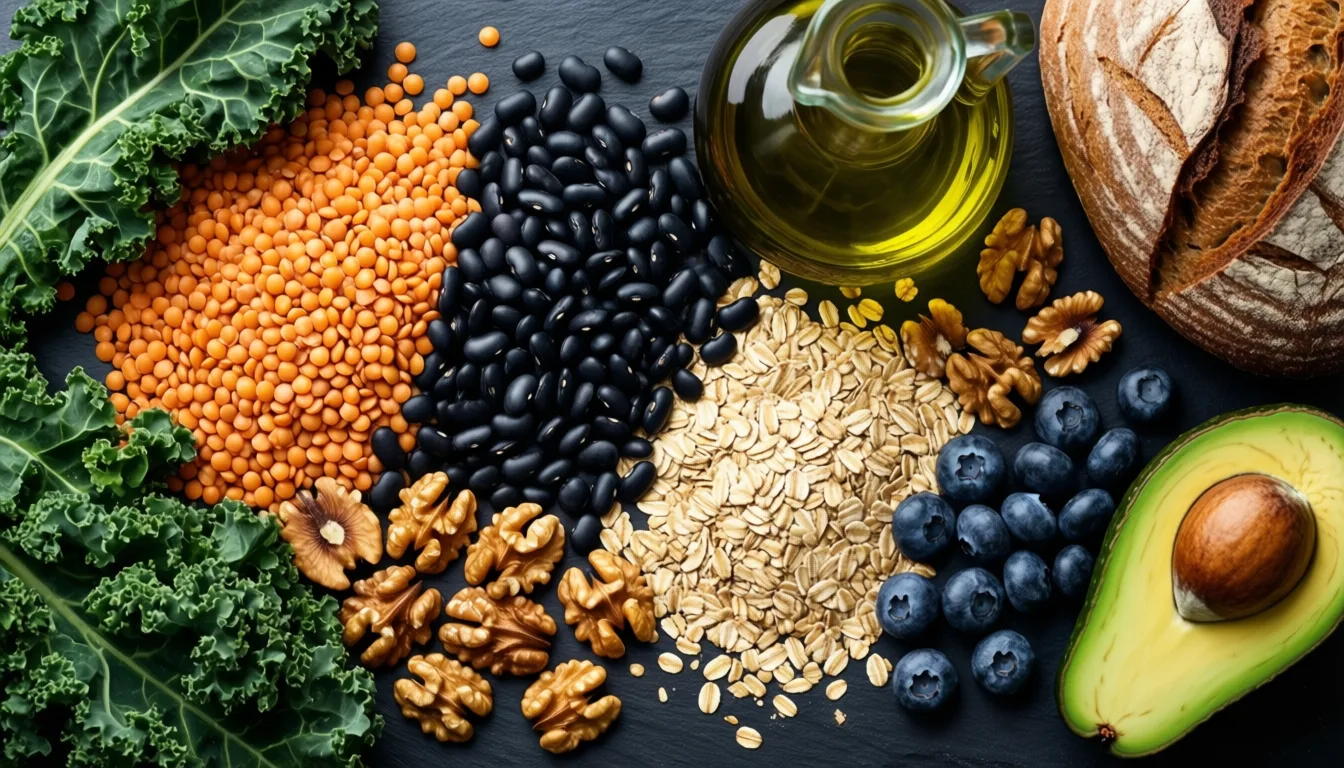
A 2025 systematic review maps where plant-based eating moves the metabolic needle — and where the evidence still thins out. Here's what a busy 40-year-old should actually take from it.

A multinational cohort sketches who's really starting GLP-1s for diabetes and kidney disease — and a new mouse study hints these drugs may rewire taste itself.

A retrospective hip-replacement study suggests non-diabetic GLP-1 users may not face the malnutrition penalty surgeons feared — but the questions are bigger than one paper.
Fresh 2025 reviews map semaglutide's reach into fatty liver disease, cardiovascular risk, kidney protection — and the economics of treating obesity at scale. The signals are real, but the picture is still filling in.
A cluster of new 2025 papers reframes GLP-1 drugs as long-horizon metabolic tools — with real promise after bariatric surgery, a tantalizing brain-protection signal, and one safety question worth taking seriously.
The shots that started as diabetes medicine and became weight-loss icons are quietly rewriting their own job description. The 2025 evidence points to a multi-organ story — with caveats worth knowing.