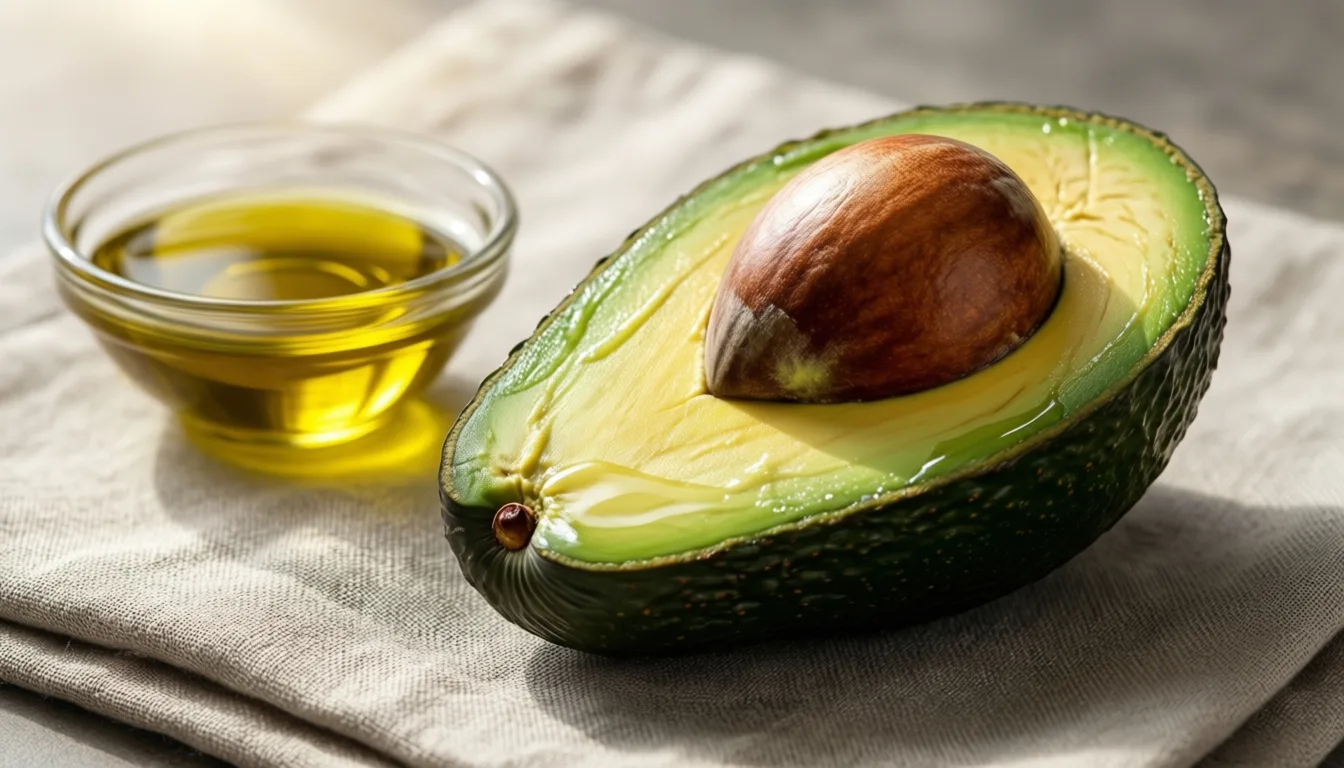
The Gut Microbe That Turns Dietary Fat Into an Appetite Brake
A common gut bacterium called Blautia wexlerae appears to rewrite dietary fats into signals that nudge GLP-1 release. The science is early — but the mechanism is genuinely new.

Press Enter to search · Esc to close
A common gut bacterium called Blautia wexlerae appears to rewrite dietary fats into signals that nudge GLP-1 release. The science is early — but the mechanism is genuinely new.
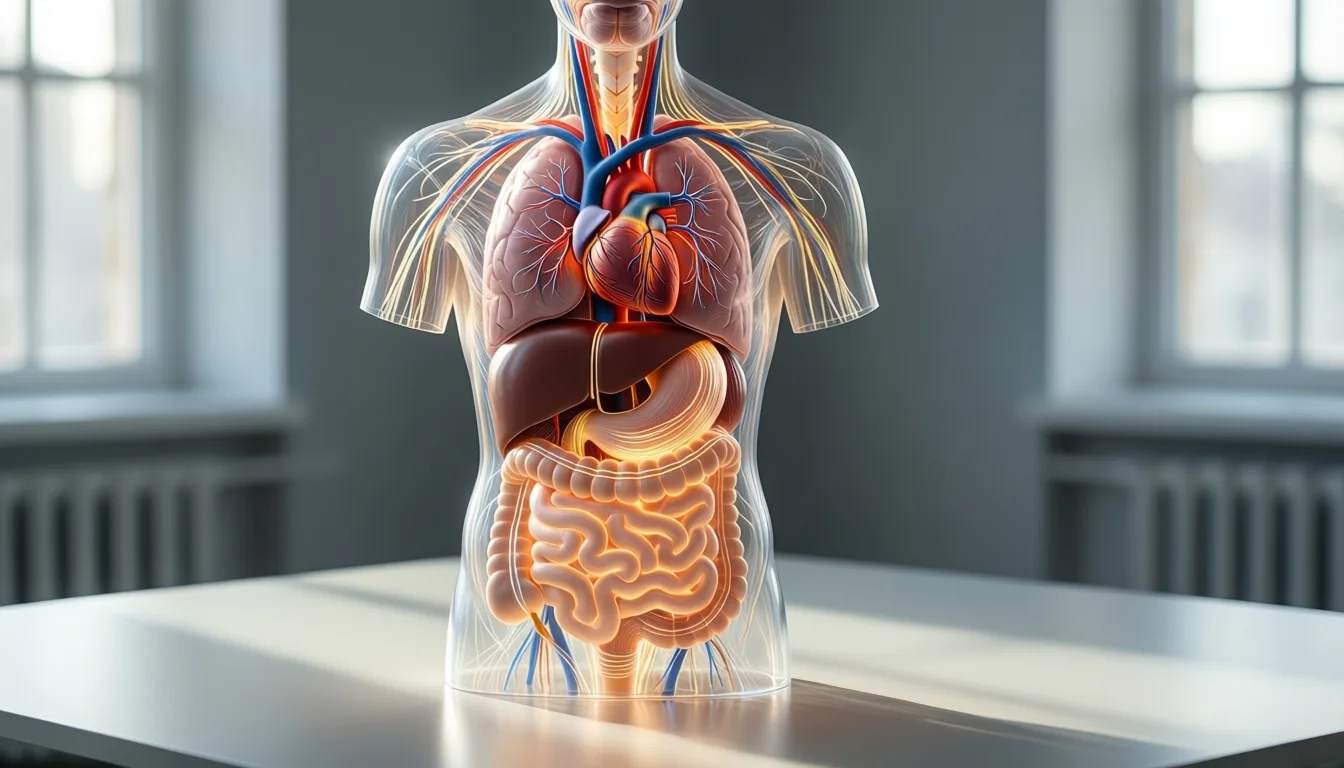
GLP-1 receptor agonists keep finding new organs to help. A fresh slate of 2025 evidence maps where the signal is strongest — and where it's still preliminary.
A new gene-metabolite map suggests incretin-pathway drugs act on a web of cardiovascular and metabolic systems — not just glucose. Here's what that means for patients in 2026.
New research is beginning to explain why GLP-1 drugs work brilliantly for some and modestly for others — and what comes after the first generation of blockbusters.
Semaglutide, exendin-4, and tirzepatide are pushing GLP-1 receptor agonists into hepatology and cardiology — while a fresh case report reminds us the safety ledger is still open.
Ozempic and its cousins slow the stomach — and that's quietly rewriting the rules for anesthesia, sedation, and even routine dental work.
A new meta-analysis pooling seven direct comparisons gives us the cleanest apples-to-apples read yet on how the two big incretin drugs stack up for weight loss.
A 109,000-patient meta-analysis sharpens the case that GLP-1 receptor agonists are cardiometabolic drugs, not just weight-loss tools — with concrete numbers on who actually benefits.
A new federal survey puts a real number on how many Americans with diabetes are now on GLP-1 shots — and it's reshaping what we should expect from the next wave of metabolic drugs.
GLP-1 receptor agonists keep pushing into new clinical territory. Two 2025 papers — a modeling review for type 1 diabetes and a case report where semaglutide lit up brown fat on a PET scan — hint at what's next.