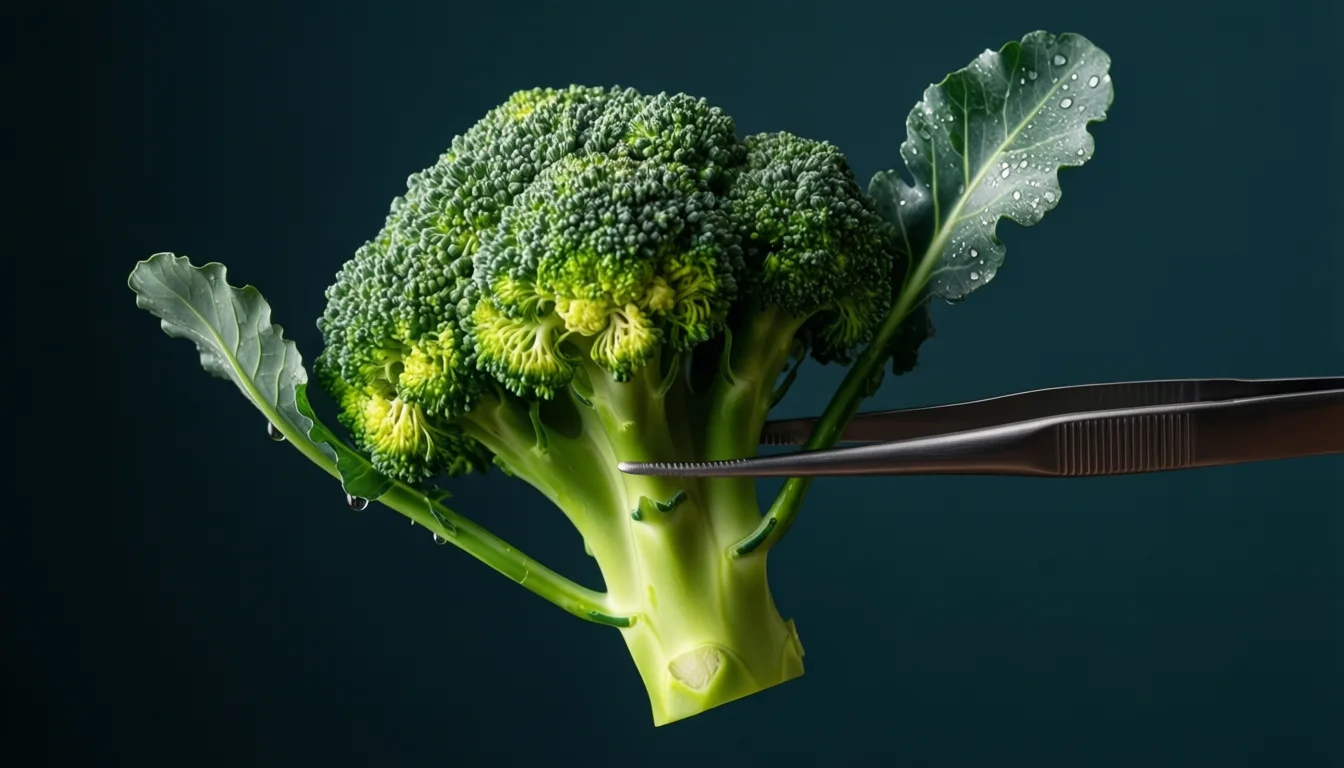
The Antioxidant Paradox: When NRF2 Activation Helps Tumors, Not You
The same cellular switch that supplement brands sell as 'longevity insurance' may quietly favor lung tumors. A new GeroScience analysis forces a harder look at sulforaphane, curcumin, and the broader NRF2 boom.
Scroll any supplement feed long enough and you'll meet NRF2 — the cellular switch sold as longevity insurance, the reason broccoli sprouts cost more than steak, the alleged engine behind every premium curcumin capsule. The pitch is clean: flip NRF2 on, your cells deploy their own antioxidant defenses, and aging slows. It's elegant biology, and it isn't wrong. But a new analysis suggests the picture is more complicated than the marketing — and in one specific, common cancer, the same switch may quietly favor the tumor.
The paper, published this year in GeroScience, pulled transcriptomic and survival data from 2,167 lung cancer patients and asked a blunt question: when NRF2 is highly active inside a tumor, do patients do better or worse? The team used a validated 14-gene NRF2 activation signature to sort tumors high versus low, then tracked overall survival, first progression, and post-progression survival. Across every endpoint, high NRF2 activity tracked with worse outcomes — a hazard ratio of 1.59 for overall survival, 1.61 for first progression, and 1.6 for post-progression survival.
That isn't a small signal. And it sits awkwardly next to the broader story about NRF2, which the same authors acknowledge: in healthy, aging tissues, NRF2 activation looks protective — a master regulator of oxidative stress defense and cellular survival. The trouble is that cancer cells live under chronic oxidative stress too, and they appear perfectly willing to hijack the same defense system to survive chemotherapy, radiation, and their own metabolic chaos.
Why this matters for the supplement aisle
The looksmaxing and longevity worlds have spent the last few years championing NRF2 activators. Sulforaphane — the isothiocyanate concentrated in broccoli sprouts — is the headliner. Curcuminoids, the polyphenols in turmeric extracts, sit just behind. Both are real molecules with real mechanisms, and both are now routinely stacked at doses far above anything you'd hit through food. The implicit theory: more NRF2, more resilience, better skin, better recovery, better aging.
The GeroScience data doesn't dismantle that theory in healthy tissue. What it does is complicate the assumption that more activation is always better. If NRF2 high-expression tumors progress faster and kill patients sooner, then chronically pushing the pathway with high-dose supplementation deserves more scrutiny — especially for anyone with elevated lung cancer risk: smokers, former smokers, people with significant secondhand exposure, or a strong family history.
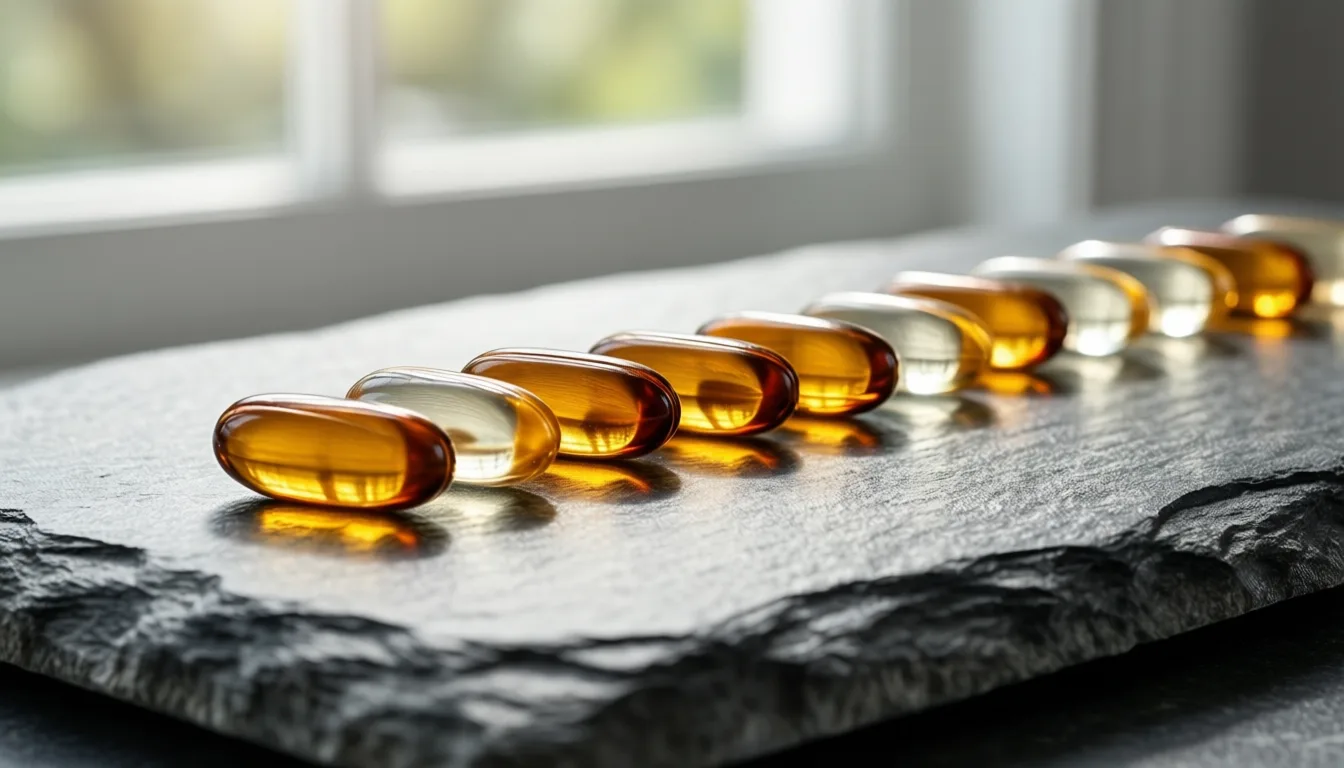
High-dose sulforaphane and curcumin extracts dominate the NRF2-activator category. Food-level exposure is a very different exposure than concentrated daily capsules.
It's worth holding two things at once. The new analysis is associative — a signature of NRF2 activity inside tumor tissue predicting worse outcomes in a large retrospective cohort. It doesn't show that taking sulforaphane caused anyone's cancer to progress, and it doesn't measure supplement use at all. What it does show, robustly, is that the pathway many supplements target is the same pathway lung tumors lean on to survive. That's a mechanistic warning flag, not a verdict.
The effect also wasn't uniform. The negative prognostic signal was most pronounced in adenocarcinoma, in node-negative disease, and in female patients — subgroups where you'd otherwise expect better outcomes. That pattern hints NRF2 may be doing the most damage where it has room to shape early tumor biology, before other drivers take over.
The pathway that helps an aging cell hold the line is the same pathway a tumor uses to hold its own. on the dual role of NRF2
What a careful reader does with this
None of this is a reason to fear broccoli. Dietary intake of cruciferous vegetables — the actual food, eaten in normal amounts — is a different exposure than a concentrated daily capsule, and it comes packaged with fiber, other phytochemicals, and dose ceilings your kitchen enforces naturally. The signal here is narrower and sharper: the case for chronic, high-dose NRF2 activation as a generic wellness move is weaker than the marketing suggests, and the case against it gets stronger if your personal cancer risk is non-trivial.
The honest takeaway from a moderate-evidence paper is moderate: the GeroScience findings are consistent with a growing line of work describing NRF2 as a double-edged regulator, but they are observational, tumor-tissue based, and limited to lung cancer. Other cancers may behave differently. So might other antioxidant pathways. The interesting part is that the longevity and oncology literatures are finally talking about the same molecule and not pretending to agree.
- The finding: Across 2,167 lung cancer patients, high NRF2 pathway activity inside tumors predicted worse survival and faster progression.
- The paradox: The same pathway looks protective in healthy aging tissues — and is the target of popular supplements like sulforaphane and curcumin.
- The caveat: This is an observational tumor-tissue analysis. It does not measure supplement use or prove that activators worsen outcomes.
- The risk-stratified read: The case for chronic high-dose NRF2 activation is weakest for people with elevated lung cancer risk.
- The food question: Eating cruciferous vegetables is a different exposure than daily concentrated extracts; the concern lives at the supplement end of the dose curve.
- The next step: If you're stacking NRF2 activators, that belongs in a conversation with a clinician who knows your history.

Moderate evidence calls for a moderate response: keep the conversation with a clinician, not the comment section.
Frequently asked questions
What did the GeroScience study actually find about NRF2 activity in lung cancer patients?
The study analyzed transcriptomic and survival data from 2,167 lung cancer patients and found that high NRF2 activity inside tumors predicted worse outcomes across every endpoint measured. The hazard ratios were 1.59 for overall survival, 1.61 for first progression, and 1.6 for post-progression survival. A validated 14-gene NRF2 activation signature was used to sort tumors into high versus low activity groups.
Does this mean eating broccoli is dangerous?
No — the article draws a clear distinction between dietary intake of cruciferous vegetables and concentrated daily supplement capsules. Food-level exposure comes packaged with fiber and other phytochemicals, and dose ceilings are naturally enforced by what you eat. The concern the article identifies lives specifically at the high-dose supplement end of the dose curve.
Which supplements are most associated with NRF2 activation?
The article identifies sulforaphane — an isothiocyanate concentrated in broccoli sprouts — as the leading NRF2 activator, with curcuminoids from turmeric extracts just behind it. Both are described as real molecules with real mechanisms that are now routinely stacked at doses far above what you would get through food.
Does the study prove that NRF2 supplements caused lung cancer patients to do worse?
No. The article explicitly notes this is an observational, tumor-tissue analysis — it does not measure supplement use at all, and does not show that taking sulforaphane caused anyone's cancer to progress. What it does show is that the pathway many supplements target is the same pathway lung tumors rely on to survive, which the article calls a mechanistic warning flag rather than a verdict.
Who should be most cautious about taking high-dose NRF2 activators?
The article singles out people with elevated lung cancer risk: current or former smokers, those with significant secondhand or occupational exposure, and people with a strong family history of lung cancer. For these groups, the article recommends bringing a full supplement list to a clinician before adding chronic high-dose sulforaphane or curcumin extracts.
Join the conversation
Comments are moderated and reviewed before they appear. Be constructive — this is health information.
Add your comment