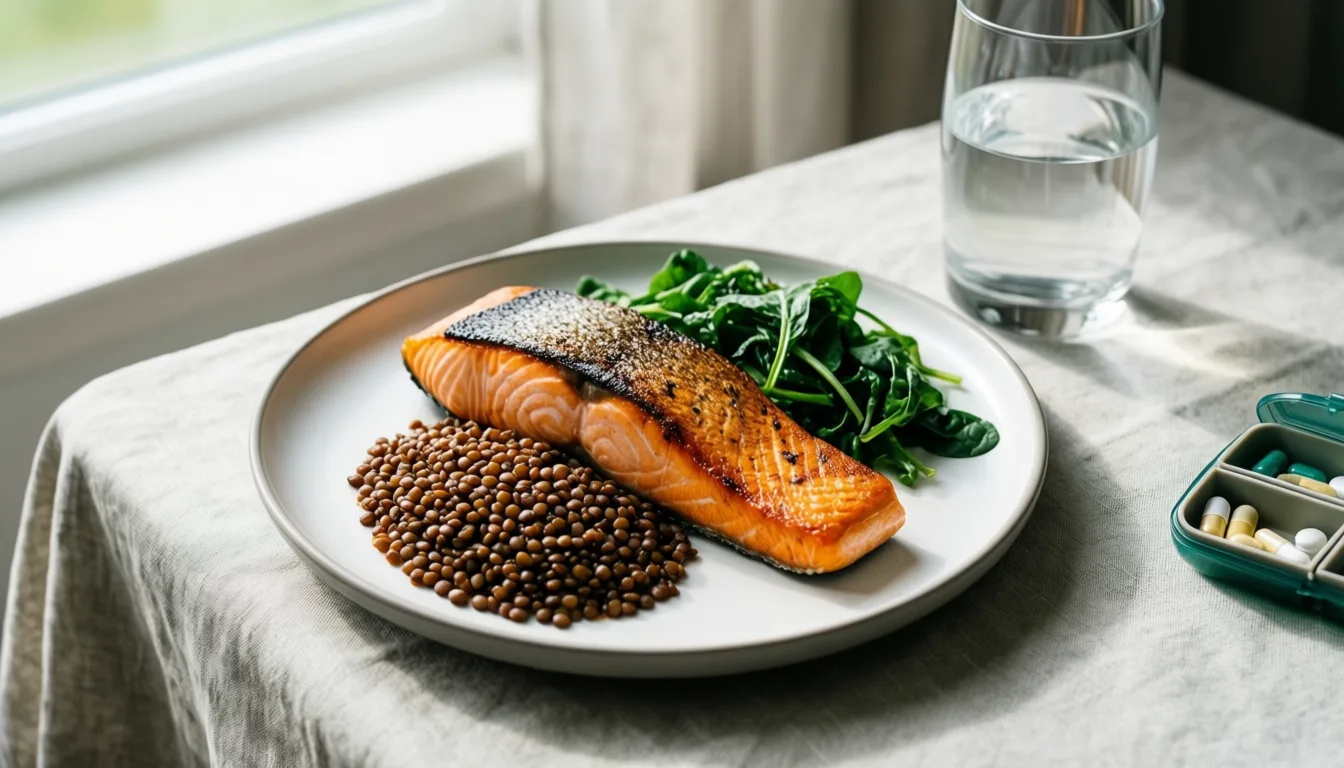
Protocols
Nutrition as the Missing Half of GLP-1 Therapy
A new review argues the drugs only do half the work. The other half — protein, symptom management, and a maintenance plan — happens on the plate.
Press Enter to search · Esc to close
A new review argues the drugs only do half the work. The other half — protein, symptom management, and a maintenance plan — happens on the plate.
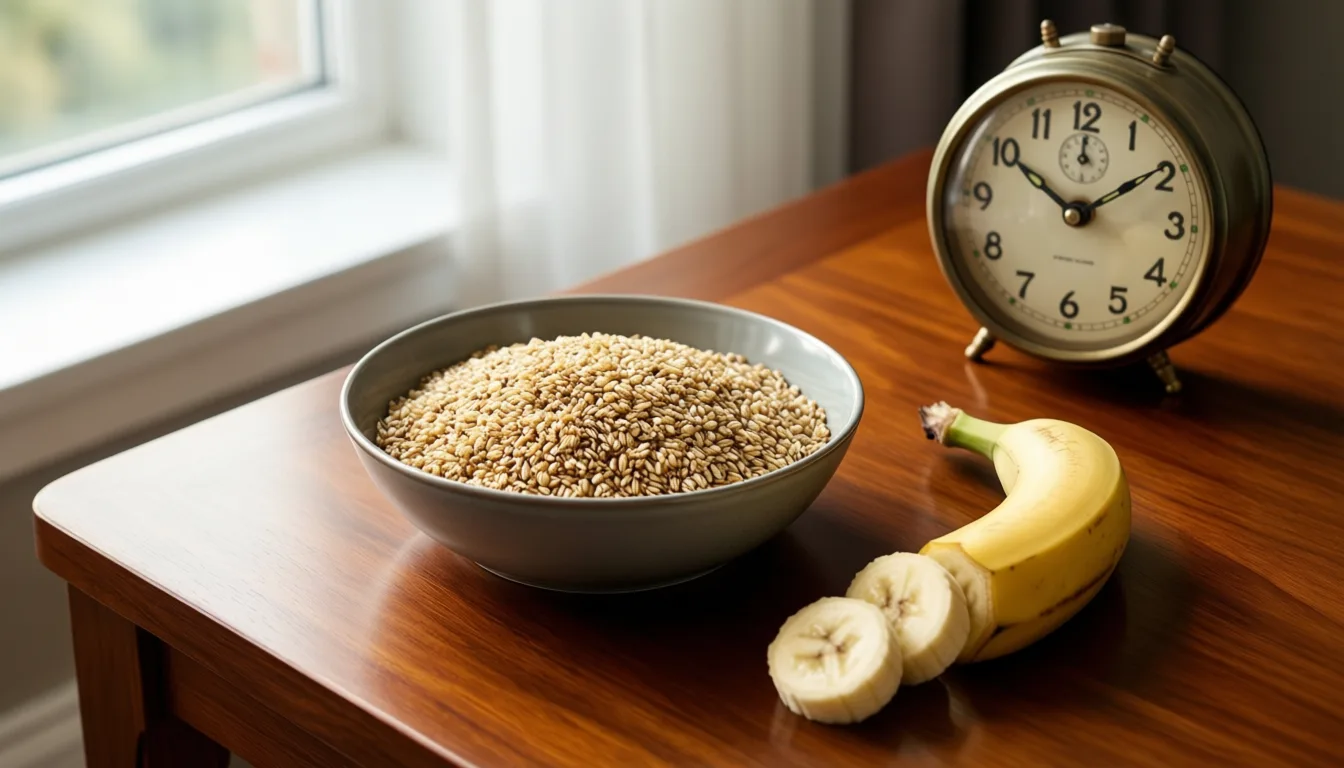
Two new reviews suggest the next frontier in performance nutrition isn't what you eat — it's when you eat, and how the starch on your plate talks to the bugs in your gut.

A 13,422-person analysis hints the brain-friendly eating pattern may also help older adults hold onto muscle and physical function.
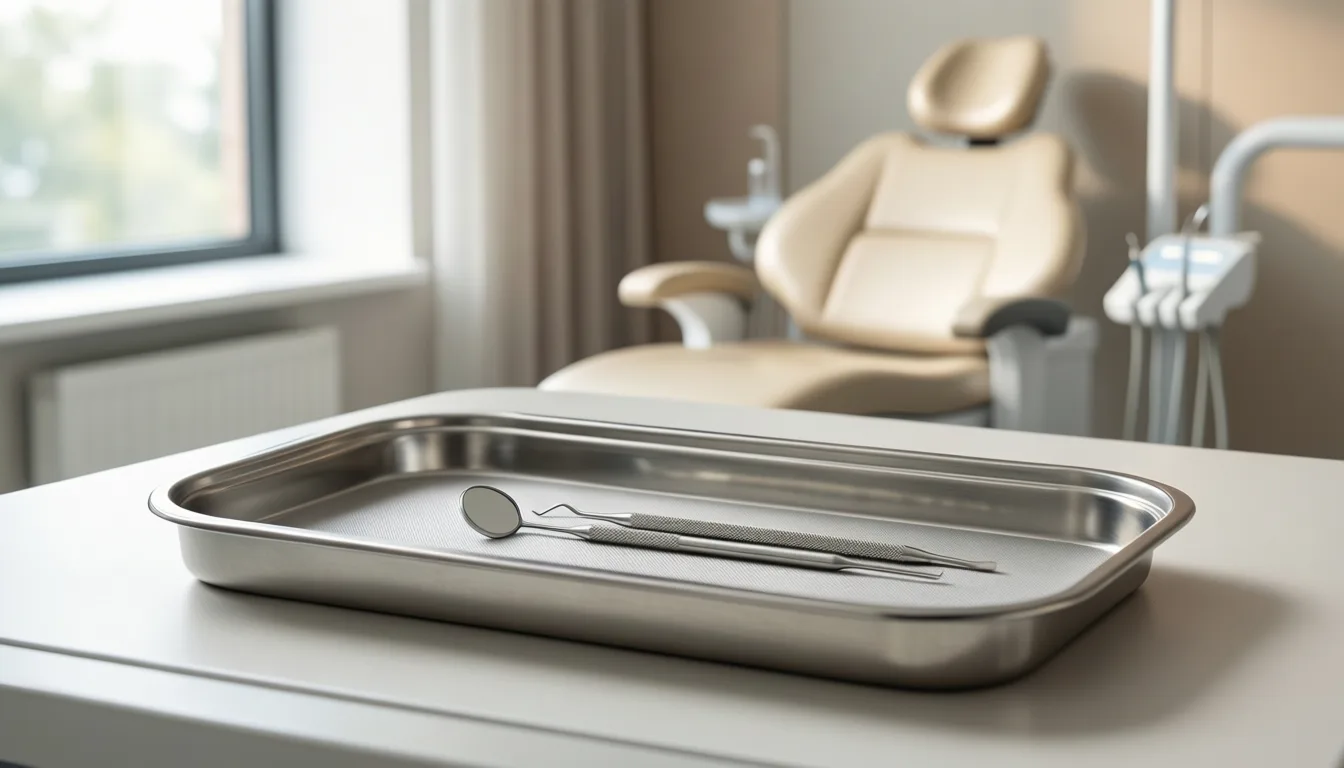
A new retrospective study links poor preoperative oral hygiene to early wound infection after hip and knee replacement — making the dental chair an underweighted stop on the prehab calendar.
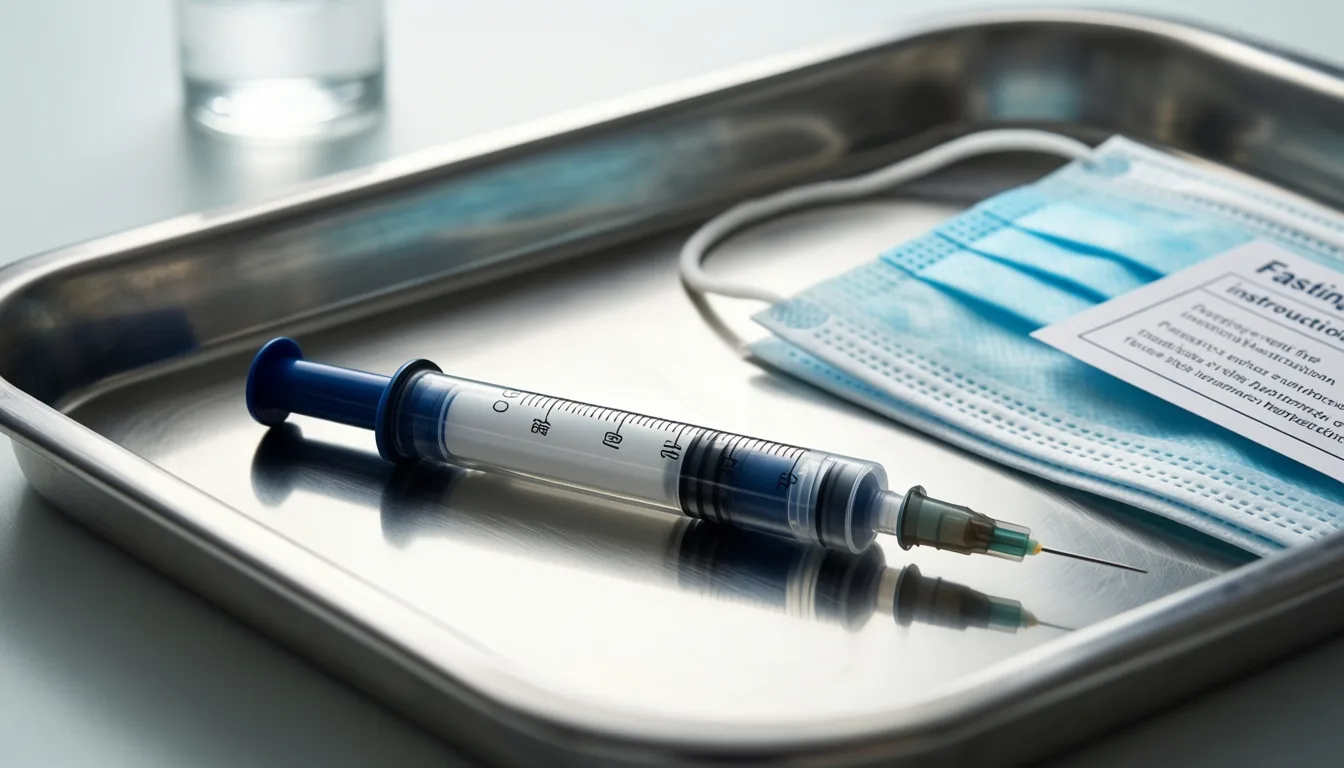
Ozempic and its cousins slow the stomach — and that's quietly rewriting the rules for anesthesia, sedation, and even routine dental work.
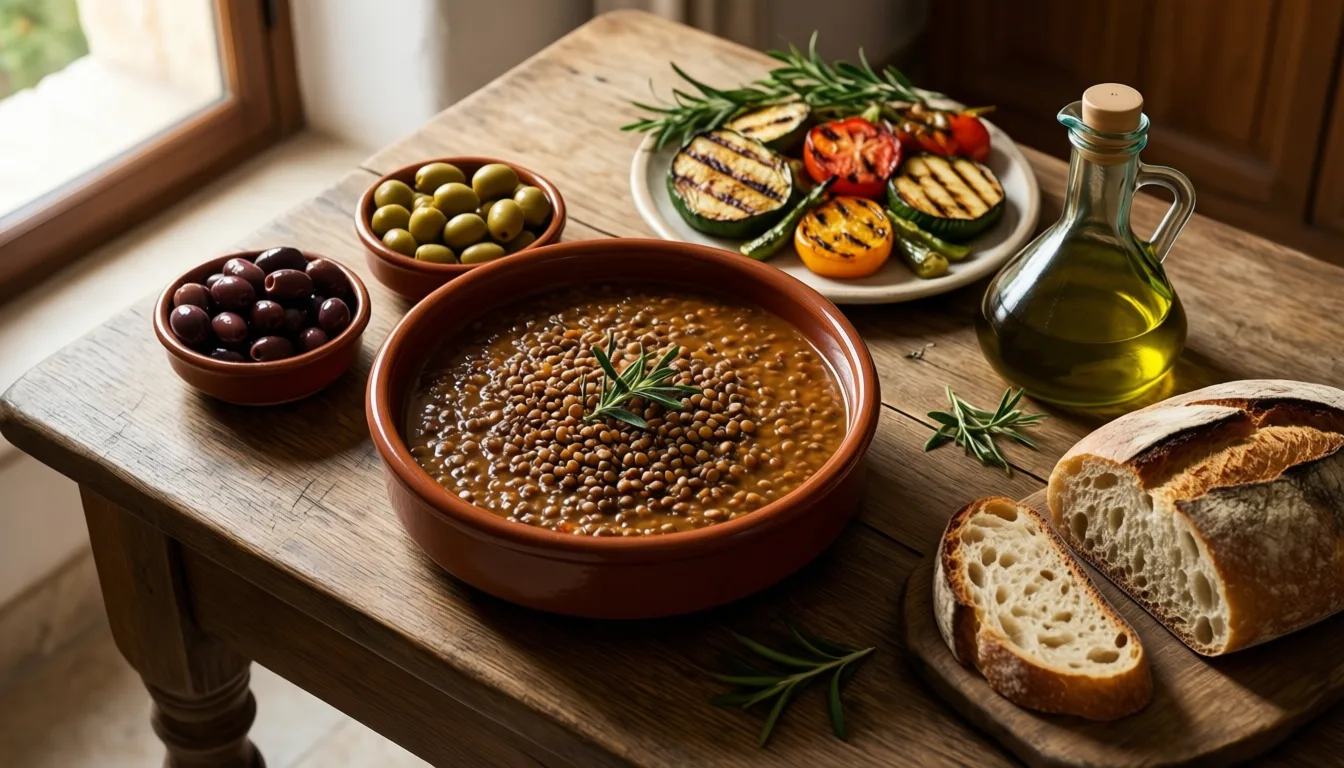
A multi-omics study of Greek Orthodox practitioners suggests that cycling off animal products — even briefly — quietly rewires the blood chemistry linked to cardiometabolic risk.

A new randomized trial is testing whether reshaping the full day — not just the workout — can prevent recurrent strokes. A parallel Japanese dataset reveals the hidden forces shaping how much we actually move.
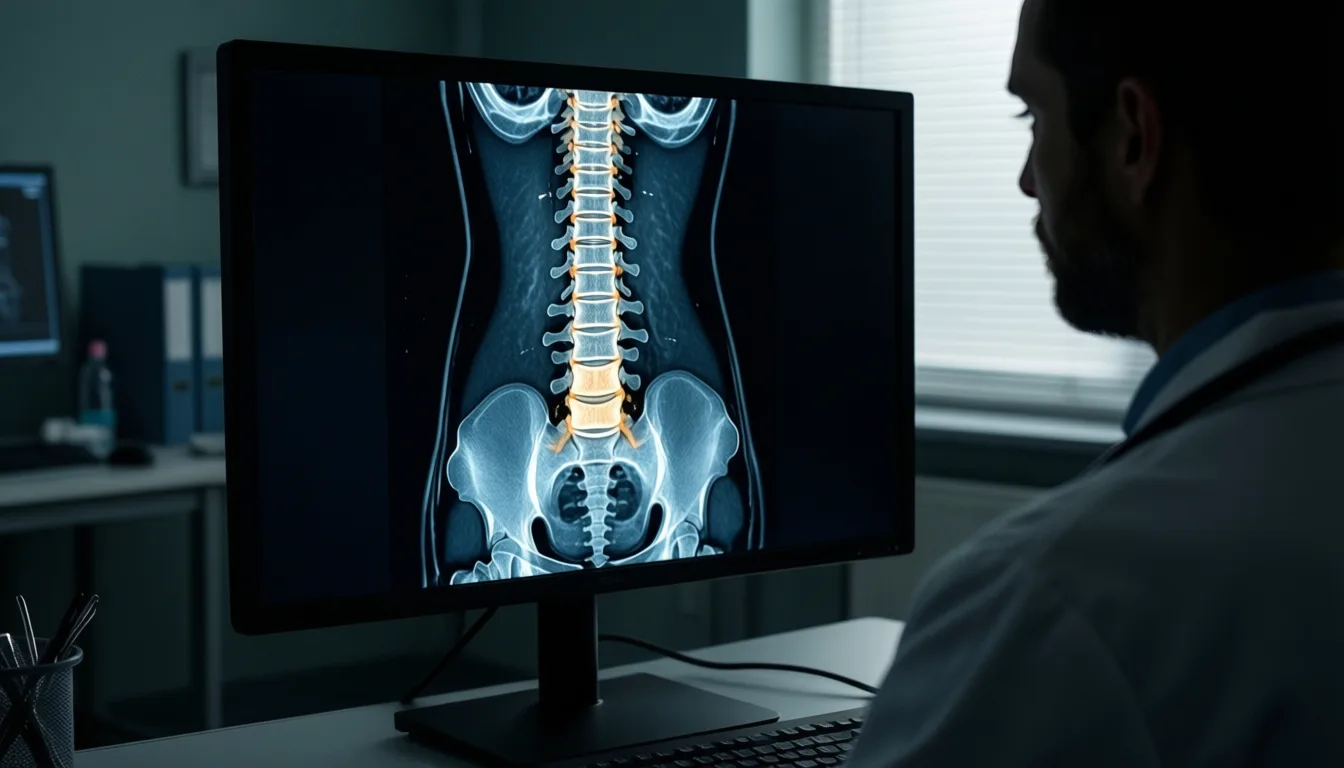
A single-institution analysis used CT-derived Hounsfield Units to compare modern osteoporosis drugs in preoperative patients. The signal is real but moderate — and frailty quietly blunts the response.

Semaglutide and tirzepatide are reshaping bodies faster than the guidelines can keep up. The muscle you keep — or lose — may decide whether the results actually last.

A 2025 review in Advances in Experimental Medicine and Biology argues frailty — unlike aging itself — is reversible. The two levers: personalized nutrition and structured exercise.