
Beyond GLP-1: Why the New Obesity Science Is About Your Fat, Not Your Scale
Three new reviews argue we've been measuring the wrong thing. The real target isn't weight — it's the adipose tissue quietly running your metabolism.
For decades, the deal between women and the bathroom scale has been brutally simple: the number goes down, you win; it goes up, you lose. Then GLP-1 drugs arrived, the number started moving for millions of people, and a quieter revolution began underneath all that headline noise. A wave of new medical reviews is making a case that should change how any woman in her forties thinks about her metabolism: the scale was never the point. The fat itself — what kind, where it sits, and what it's secreting — is.
The shift has a clunky name — adipocentric — but the idea is elegant. A 2025 review in the Journal of Clinical Medicine argues that most type 2 diabetes isn't really a blood-sugar disease at all. It's a fat-tissue disease that shows up as blood sugar, the way a smoke alarm shows up as noise. The authors call the underlying problem 'adiposopathy-related diabetes,' and they describe it with three features that should sound uncomfortably familiar to anyone navigating perimenopause: visceral fat creeping into places it doesn't belong, inflammatory signals leaking out of fat cells, and insulin that stops doing its job — a pattern spelled out in detail by the review's authors.
Translation: the fat around your organs isn't inert padding. It's an endocrine organ, and when it's unhappy, it talks — loudly, chemically, to your heart, liver, and pancreas.
Why the scale has been lying to you
Here's the frustrating part. A woman can lose ten pounds and still be carrying the metabolically dangerous kind of fat. Another can hold steady on the scale while her visceral fat — the deep, organ-hugging kind — quietly expands during the hormonal shifts of the late thirties and forties. Body weight is a blunt instrument. The new framing says we should be watching where fat sits and what it's doing, not just how much of it there is.
That's why the Journal of Clinical Medicine review pushes clinicians to prioritize visceral fat reduction as the goal of treatment intensification, not glycemic numbers alone. Done early enough — in people with shorter disease duration — the authors suggest this approach can even push type 2 diabetes into remission, while also delivering cardiovascular and kidney benefits. That's a moderate claim built on a review of existing evidence, not a guarantee, but it's a meaningful reframe.
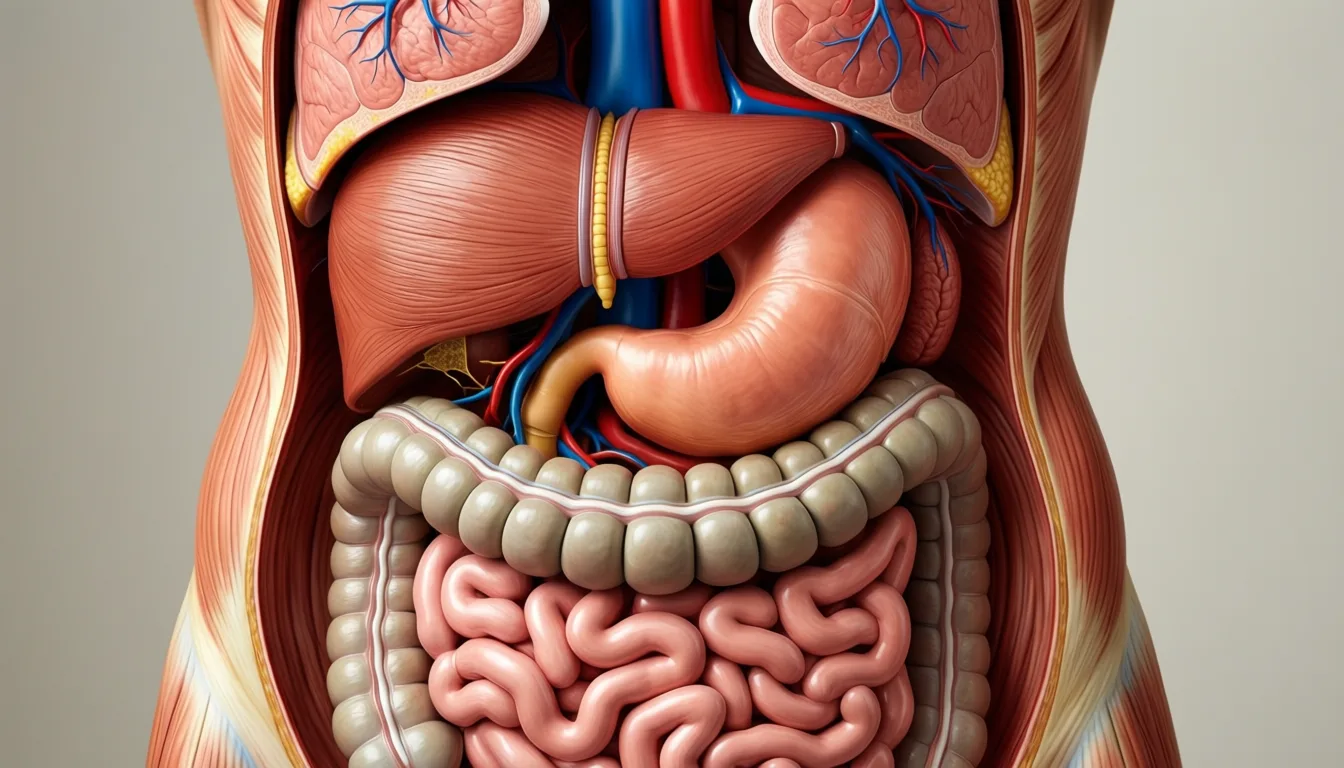
Visceral fat — the deep kind that wraps around organs — behaves less like storage and more like an endocrine gland gone rogue.
The drug shelf, honestly assessed
There are now seven FDA-approved anti-obesity medications, and a 2025 review in Endocrinology and Metabolism Clinics of North America walks through all of them: phentermine, orlistat, phentermine/topiramate ER, naltrexone SR/bupropion SR, liraglutide 3.0 mg, semaglutide 2.4 mg, and tirzepatide. The authors are blunt about something that gets buried in TikTok-era enthusiasm: obesity is a chronic disease, and these medications are designed to be prescribed for long-term use — not a six-month sprint before a wedding.
The newer GLP-1 and dual GLP-1/GIP agonists are the ones doing the heavy cultural lifting, and for reason: their phase 3 trial data on weight reduction outstrip anything in the previous generation. But each of the seven drugs has its own mechanism, its own side-effect profile, and its own contraindications — which is the polite way of saying this is not a one-size-fits-all conversation, and it absolutely belongs in a clinician's office, not a comment section.
Body weight is a blunt instrument. The new framing watches where fat sits and what it's doing — not just how much of it there is.
The heart is the real prize
If the adipocentric argument has a closing statement, this is it. A separate 2025 review in Endocrinology and Metabolism Clinics of North America lays out the case that increased adiposity drives a long list of cardiovascular outcomes — coronary artery disease, heart failure, arrhythmias — through both direct mechanical strain and indirect chemical mischief. The authors call obesity a global public-health crisis and frame weight management as cardiovascular prevention, full stop.
The emerging GLP-1 signal is a big part of why. The same review notes that these drugs are producing remarkable weight reduction alongside cardiovascular prevention — a combination older weight-loss drugs never delivered. The authors are careful, though. They flag controversies and unresolved questions, and the evidence is best read as a strong, consistent signal rather than a settled verdict. Moderate confidence, not certainty.
For women in perimenopause, this matters in a specific way. Cardiovascular risk quietly accelerates after the menopausal transition, and visceral fat tends to expand even when the scale stays polite. A framework that treats fat tissue as a cardiovascular risk factor — instead of a cosmetic one — is, frankly, overdue.

What this means for the rest of us
You don't need a prescription pad to use the adipocentric lens. The same review that argues for it in pharmacology also leads with lifestyle modifications — the unsexy foundation that every drug protocol still sits on top of. Strength training, protein-forward eating, sleep, and stress management aren't substitutes for medical care when medical care is warranted, but they're the levers most directly under your control, and they happen to target the same visceral-fat, insulin-resistance, inflammation triangle the drugs are aimed at.
The deeper shift the science is asking for is mental. Stop asking the scale if you're winning. Start asking better questions: Is my waist measurement creeping up while my weight holds steady? Is my blood pressure drifting? Are my fasting labs telling a story my mirror isn't? Those are the signals the new framework wants you tracking. The number you've been staring at for twenty years was, it turns out, the least interesting one in the room.
- The target is shifting. A 2025 review argues most type 2 diabetes is really 'adiposopathy' — a fat-tissue disease — and should be treated by reducing visceral fat, not just glucose.
- Seven drugs, not one. The FDA has approved seven anti-obesity medications; GLP-1s like semaglutide and the dual-agonist tirzepatide are the newest, but each drug has distinct mechanisms and risks.
- They're meant for the long haul. Reviewers frame obesity as a chronic disease and these medications as long-term tools, not crash courses.
- The heart benefit is real but still maturing. GLP-1s show a consistent cardiovascular prevention signal alongside weight loss — promising, with unresolved questions.
- Lifestyle still anchors everything. Diet, movement, and behavior change remain the foundation under any pharmacological strategy.
- Stop worshipping the scale. Visceral fat, waist measurements, and metabolic labs tell a truer story than body weight alone.
Frequently asked questions
What is 'adiposopathy-related diabetes,' and why does the article say it matters?
A 2025 review in the Journal of Clinical Medicine describes adiposopathy-related diabetes as a fat-tissue disease that shows up as abnormal blood sugar, the way a smoke alarm shows up as noise. Its three defining features are visceral fat accumulating where it doesn't belong, inflammatory signals leaking from fat cells, and insulin that stops working properly. The review argues that treating it by reducing visceral fat — rather than just managing glucose levels — can push type 2 diabetes into remission while also delivering cardiovascular and kidney benefits.
Why isn't the number on the scale enough to gauge metabolic health?
According to the article, a woman can lose ten pounds and still carry metabolically dangerous visceral fat, while another can hold steady on the scale as her deep, organ-hugging fat quietly expands during hormonal shifts. The article describes body weight as a 'blunt instrument' and says the more meaningful signals include whether waist measurement is creeping up, whether blood pressure is drifting, and what fasting labs show.
How many anti-obesity drugs has the FDA approved, and are they intended for short-term use?
The FDA has approved seven anti-obesity medications: phentermine, orlistat, phentermine/topiramate ER, naltrexone SR/bupropion SR, liraglutide 3.0 mg, semaglutide 2.4 mg, and tirzepatide. A 2025 review cited in the article is explicit that obesity is a chronic disease and these medications are designed for long-term use, not a short-term course before a specific event.
What makes GLP-1 drugs stand out from older weight-loss medications?
The article notes that GLP-1 and dual GLP-1/GIP agonists produced phase 3 trial data on weight reduction that outstrip anything in the previous generation of drugs. A separate 2025 review also highlights that these drugs are producing cardiovascular prevention alongside weight reduction — a combination older weight-loss drugs never delivered, though the authors describe the evidence as a strong, consistent signal rather than a settled verdict.
What lifestyle changes does the article mention for addressing visceral fat?
The article points to strength training, protein-forward eating, sleep, and stress management as lifestyle levers most directly under a person's control. It describes these as the 'unsexy foundation' that every drug protocol still sits on top of, and notes they target the same visceral-fat, insulin-resistance, and inflammation triangle that the medications are aimed at.
Sources
- Adipocentric Strategy for the Treatment of Type 2 Diabetes Mellitus. — Journal of clinical medicine
- Cutting-Edge Approaches to Obesity Management: The Latest Pharmacological Options. — Endocrinology and metabolism clinics of North America
- The Close Link Between Obesity and Cardiovascular Disease: Current Insights and Remaining Challenges. — Endocrinology and metabolism clinics of North America
Join the conversation
Comments are moderated and reviewed before they appear. Be constructive — this is health information.
Add your comment