
Wellness Technology
Sleep, Loneliness, and the Lifespan Connection
A new study of 2,297 adults suggests the variable your sleep tracker can't measure—how connected you feel—may be quietly shaping how you rest.
Press Enter to search · Esc to close
A new study of 2,297 adults suggests the variable your sleep tracker can't measure—how connected you feel—may be quietly shaping how you rest.

New Israeli data suggest that patients seen mostly through telemedicine end up with a different preventive-care footprint than those seen in person — a structural blind spot worth watching.

A randomized trial of a self-managed balance app and new neuromechanics research are reshaping how we think about preventing falls in older adults — and why some topple backward like felled trees.

Researchers are pairing continuous metabolic data with computational stand-ins of you. For the looksmaxing crowd, it's a glimpse at how prevention — and aesthetic upkeep — could get truly bespoke.
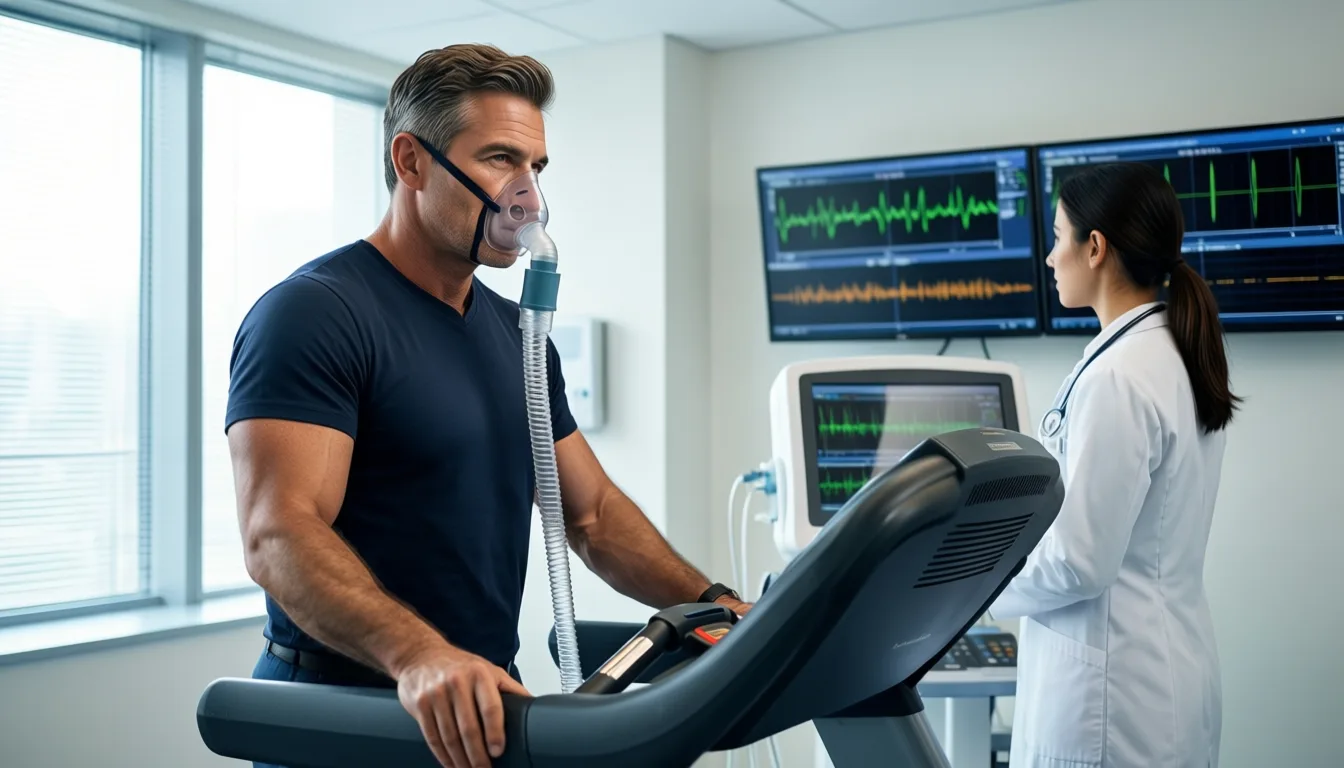
A 2025 review argues that AI-augmented CPET — measuring how your heart, lungs and metabolism work together — should replace the classic stress ECG as the default deep evaluation. Here is what that shift actually means for your calendar.
Algorithms promise to engineer the perfect meal for your face, your physique, and your future. A new scoping review separates the signal from the marketing.
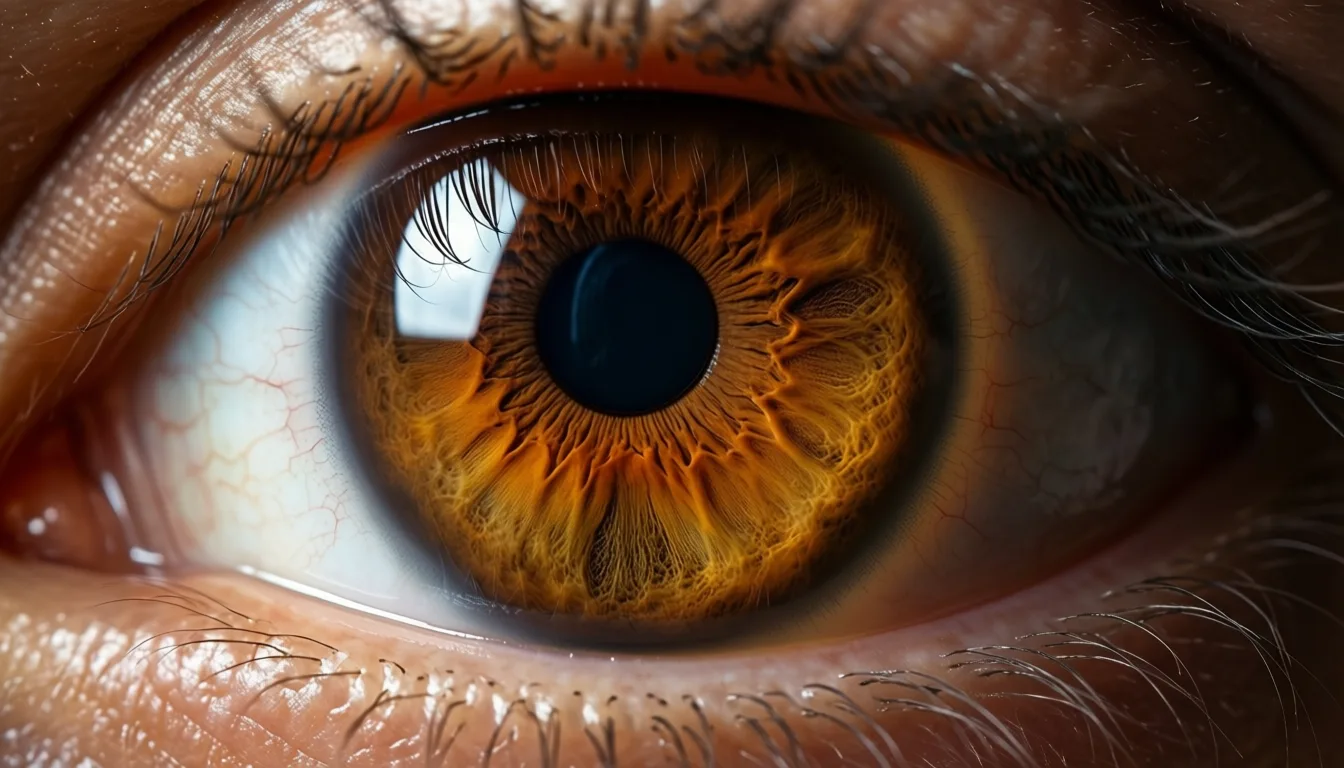
A large deep-learning study suggests the gap between your retina's biological age and your calendar age tracks with chronic disease risk. The eye, it turns out, may be a useful longevity dashboard.
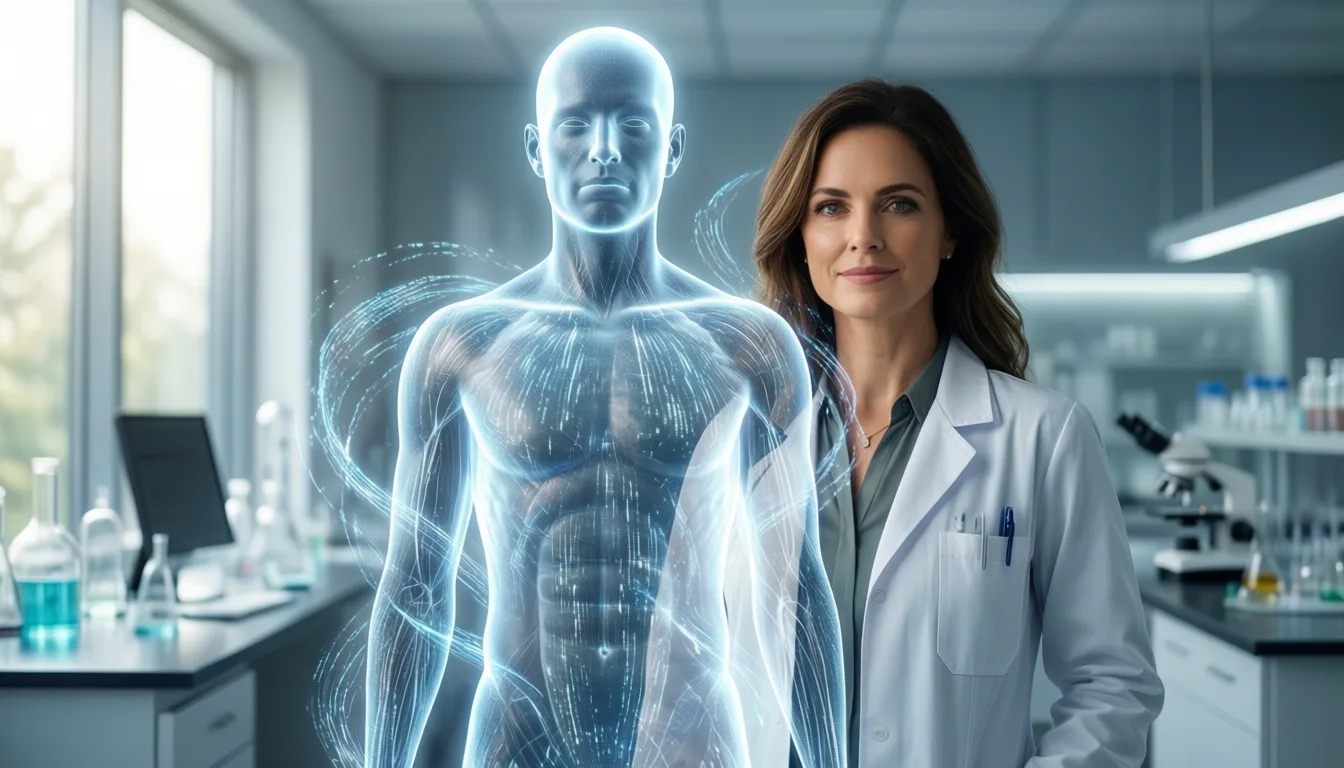
Omics, wearables, and AI are converging into computational mirrors of your physiology. A new review maps how close we actually are to predicting disease before it shows up in the mirror — or the lab.

Consumer biological-age tests promise a number that tells you how fast you're aging. A new analysis suggests the signal underneath that number isn't quite what we thought.
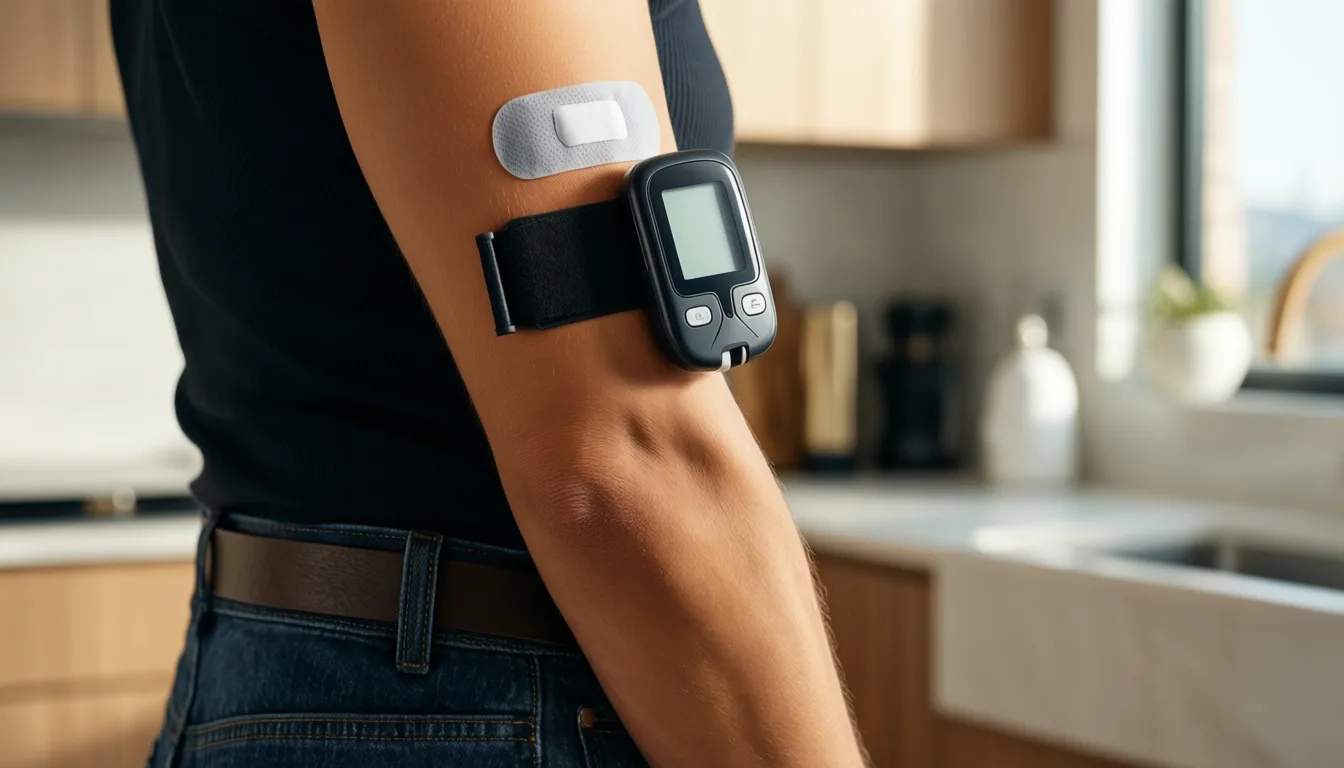
A 95-patient multi-site study suggests advanced hybrid closed-loop pumps — long the domain of type 1 diabetes — can safely tighten glucose control in insulin-using adults with type 2. The results are encouraging, and worth reading carefully.