
The Biological Age Era: How Epigenetic Clocks and Immune Maps Are Rewriting Risk
DNA-methylation clocks and a new atlas of immune aging are nudging longevity science from theory toward something a clinic could actually use. Here's where the evidence really stands.
Here's a question I keep coming back to: why do two people born the same year sometimes feel like they're living in totally different bodies? One is hiking at 70. The other is winded climbing stairs at 55. Same candles on the cake, wildly different insides. Scientists have been chasing that gap for years — and a new wave of research suggests we might finally have tools that can actually see it. Not perfectly. Not yet. But enough to start asking better questions about how each of us is aging.
Okay, beginner question first: what even is a "biological age"? Think of it this way. Your chronological age is just the number of trips you've taken around the sun. Your biological age is more like the wear-and-tear readout on your cells — how your body is actually holding up. The hot tool for measuring that readout right now is called an epigenetic clock. And no, it doesn't tick.
Epigenetics is basically the sticky notes your body leaves on your DNA telling it which genes to turn up or down. As we age, the pattern of those notes — specifically tiny chemical tags called methyl groups — shifts in predictable ways. Researchers trained algorithms to read those patterns and spit out a number: your estimated biological age. A 2025 review in the Journal of Clinical Medicine walks through the main contenders — Horvath, PhenoAge, GrimAge, and DunedinPACE — and where each one actually earns its keep.
Meet the clocks (they each do a different job)
It helps to think of these clocks less like a single bathroom scale and more like a panel of specialists. Horvath was the OG — it nailed chronological age across tissue types and proved the whole concept was real. PhenoAge and GrimAge went a step further: instead of just guessing your birthday, they were built to predict things you actually care about, like risk of mortality, cardiovascular trouble, and cognitive decline. DunedinPACE is the newest twist — it estimates the pace at which you're aging right now, like a speedometer rather than an odometer. According to the review, the second-generation clocks (GrimAge, PhenoAge, DunedinPACE) consistently outperform the originals when the goal is predicting future health outcomes.
Alongside the clocks, the review highlights a related toolkit called EpiScores — methylation-based readouts tied to specific things like inflammation, blood-sugar control, and immune aging. The pitch: instead of one big "how old are you really" number, you get a more granular dashboard of risk signals that could plug into preventive care, longevity clinics, or even national checkup systems. The authors specifically flag Japan's "Aging Measurement" project at the Osaka-Kansai Expo 2025 as an early real-world experiment in doing exactly that.
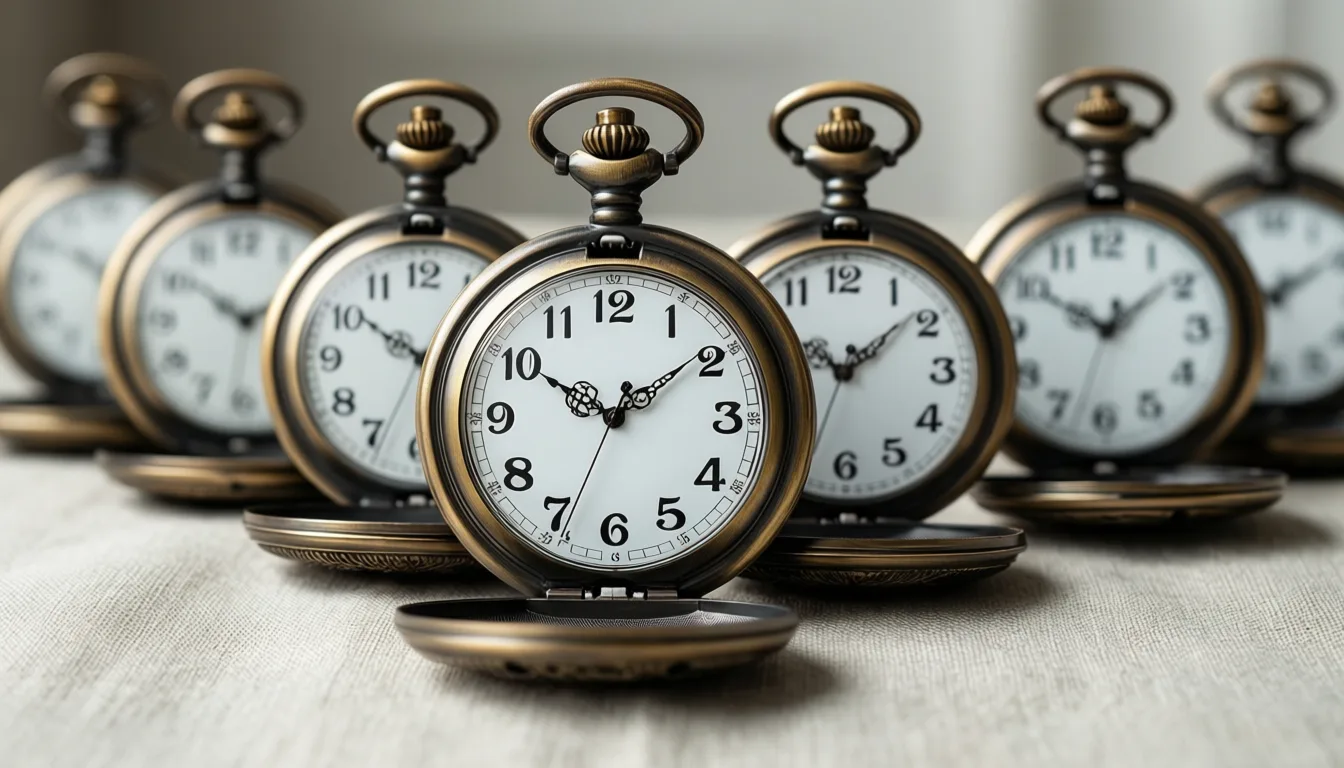
Different clocks, different jobs — and they don't always agree on what time it is.
The other half of the story: your immune system is aging too
Here's the thing the clocks can hint at but can't fully explain on their own: why some people's bodies start to falter. A big part of the answer, increasingly, is the immune system. A 2025 review in Immunity pulls together the current picture of human immune aging, and it's genuinely fascinating — partly because the field has leveled up its tools.
For decades, scientists looked at immune cells with flow cytometry, which is sort of like sorting M&Ms by color through a narrow funnel. Now, with single-cell sequencing and advanced cytometry, they can describe each cell in detail — like reading the wrapper, not just the color. The authors of the Immunity review map how the major immune compartments change with age, both in the bloodstream and in tissues, and where the older and newer methods agree, disagree, and reveal new wrinkles.
The big takeaway, in plain English: aging doesn't just "wear down" your immune system — it rewires it. Some cell populations expand, others shrink, and the functional effects accumulate well before anything obviously breaks. That matters because it suggests there's a window where we can see dysfunction taking shape before it becomes disease. Which is exactly the window preventive medicine wants to live in.
Aging doesn't just wear down your immune system. It rewires it — and the rewiring starts long before anything breaks.

The immune system as a network: aging shifts the pattern, not just the strength.
So… should you go order a clock test?
This is where I have to put on my honest-friend hat. The science is exciting and the evidence is real, but the editorial rating on this story is Moderate for a reason. Both reviews are essentially saying "we have promising tools and a much clearer map than we did five years ago." They are not saying "go check your GrimAge every quarter and act on the number." The review authors themselves call out the need for global standardization and ethical guardrails before these tools are ready for routine clinical decisions.
What seems most usable right now is the framing: chronological age is a blunt instrument, and your biological trajectory is something measurable — even if exactly which measurement to trust is still an open question. If your clinician brings up an epigenetic test as part of a research program or longevity workup, that's a real conversation worth having. If a wellness influencer is selling you one with a confident regimen attached, slow down. The science isn't there yet.
- Biological age ≠ chronological age. Epigenetic clocks try to measure the wear-and-tear, not the birthdays.
- Second-generation clocks do more work. GrimAge, PhenoAge, and DunedinPACE are built to predict outcomes like mortality and cognitive decline, per the 2025 review.
- EpiScores add granularity. Think inflammation, glycemic control, and immunosenescence as separate dials, not one big number.
- Immune aging is being remapped. Single-cell tools are revealing how immune populations shift with age in both blood and tissues.
- Clinical readiness is partial. Both reviews flag standardization, validation, and ethics as the next big hurdles.
- Talk to a clinician. This is a fast-moving research space, not a DIY protocol.
The honest summary: we're at the stage where the toolkit is starting to look usable, but the instruction manual is still being written. The epigenetic clocks can see something chronological age can't. The new immune-aging map gives us a much better sense of why bodies diverge. Put them together and you get the outline of a future where "risk stratification" actually means something personal — not your age bracket, but your trajectory. That future isn't here yet. But for the first time, it's close enough to plan for.
Frequently asked questions
What is the difference between biological age and chronological age?
Chronological age is simply the number of years you have been alive, while biological age is more like a wear-and-tear readout on your cells — how your body is actually holding up. Epigenetic clocks attempt to measure biological age by reading the pattern of chemical tags called methyl groups that shift on your DNA as you age.
What are the main epigenetic clocks and what sets the newer ones apart?
The main clocks covered in the 2025 review are Horvath, PhenoAge, GrimAge, and DunedinPACE. Horvath was the original and proved the concept by estimating chronological age across tissue types, while the second-generation clocks — GrimAge, PhenoAge, and DunedinPACE — were built to predict things like mortality risk, cardiovascular trouble, and cognitive decline, and consistently outperform the originals when the goal is predicting future health outcomes.
What makes DunedinPACE different from the other clocks?
DunedinPACE estimates the pace at which you are aging right now, rather than giving a fixed biological age number. The article describes it as functioning like a speedometer rather than an odometer.
What are EpiScores and how do they differ from a single biological age number?
EpiScores are methylation-based readouts tied to specific risk signals such as inflammation, blood-sugar control, and immune aging. Instead of producing one big biological age number, they offer a more granular dashboard of separate dials, which the article suggests could plug into preventive care or national health checkup systems.
Is it a good idea to order an epigenetic clock test on your own right now?
The article urges caution, noting that the review authors themselves call for global standardization and ethical guardrails before these tools are ready for routine clinical decisions. It distinguishes between a clinician-led conversation in a research or longevity workup context — described as worth having — and a wellness influencer selling a test with a confident regimen attached, which the article advises slowing down on.
Sources
- Epigenetic Clocks and EpiScore for Preventive Medicine: Risk Stratification and Intervention Models for Age-Related Diseases. — Journal of clinical medicine
- Human immune aging. — Immunity
Join the conversation
Comments are moderated and reviewed before they appear. Be constructive — this is health information.
Add your comment