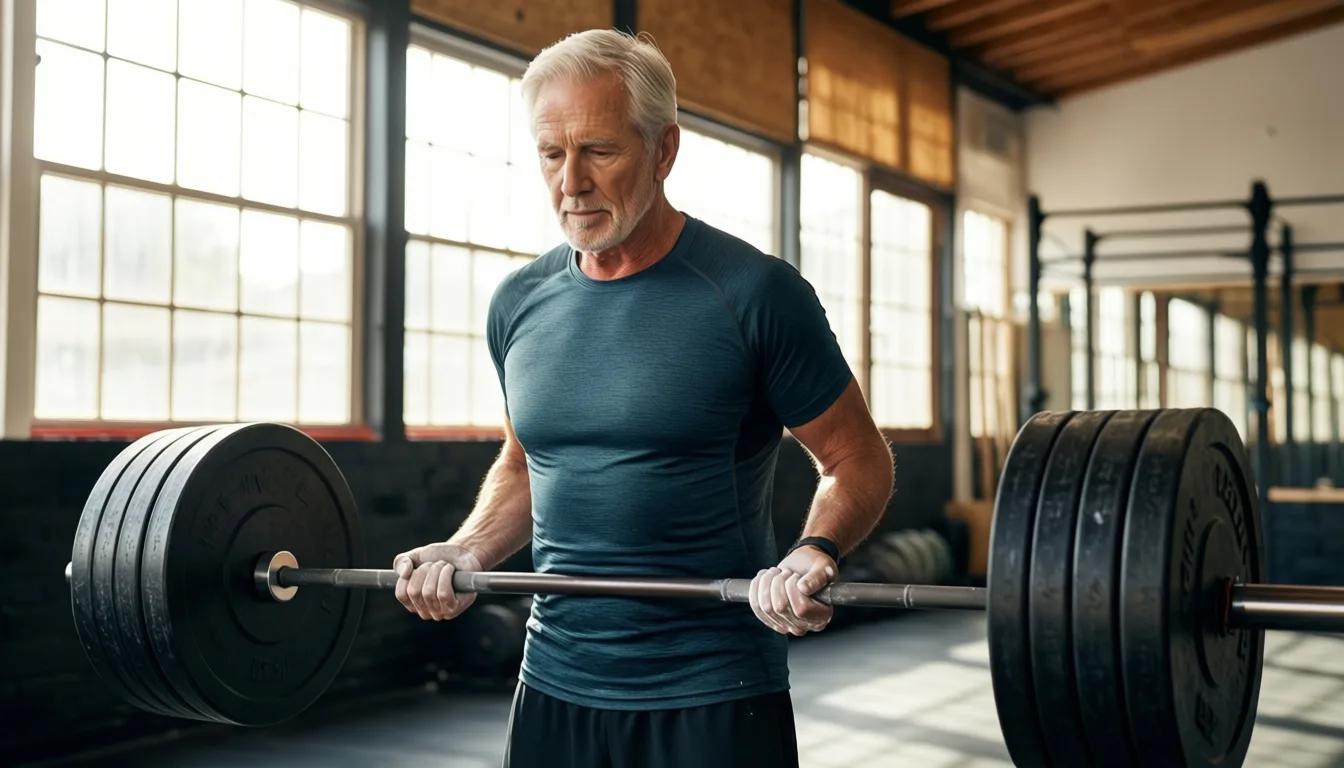
Bones, Muscles, and the Frailty Cliff: What a New Aging Study Really Says
A long-running Taiwanese cohort took a closer look at osteosarcopenia — losing bone and muscle at the same time — and the findings are more nuanced than the headlines suggest.
Here's the obvious beginner question I had to ask my editor before writing this: if bones get thinner with age and muscles get smaller with age, what happens when both go at once? There's a name for it — osteosarcopenia — and longevity researchers think it might be one of the earliest warning signs that someone is drifting toward frailty. A new follow-up of a big Taiwanese aging study just took a careful look. The story it tells is real, but quieter than the buzzy headlines.
Let's gloss the jargon first. Sarcopenia is the age-related loss of muscle mass and strength. Osteopenia and osteoporosis are the stages of thinning bone. Osteosarcopenia is just the unhappy overlap — you've got both. And frailty, in research-speak, isn't vague "feeling old." It's a specific clinical syndrome (the Fried criteria), built from things like unintentional weight loss, exhaustion, weak grip, slow walking, and low activity.
The hypothesis researchers have been chasing is intuitive: if your scaffolding (bone) and your engine (muscle) are both weakening, frailty is the destination. A 2025 analysis published in Archives of Gerontology and Geriatrics set out to test exactly that, using one of Asia's most-watched aging cohorts.
What the I-Lan study actually did
The I-Lan Longitudinal Aging Study follow-up started with 1,779 community-dwelling adults aged 50 and up in Taiwan, and checked back in with 998 of them eight years later. At baseline, the researchers measured bone status (using WHO definitions) and sarcopenia (using the Asian Working Group definition). At follow-up, they scored frailty using the Fried criteria. Then they asked: did people with osteosarcopenia at the start end up frail eight years later, more than everyone else?
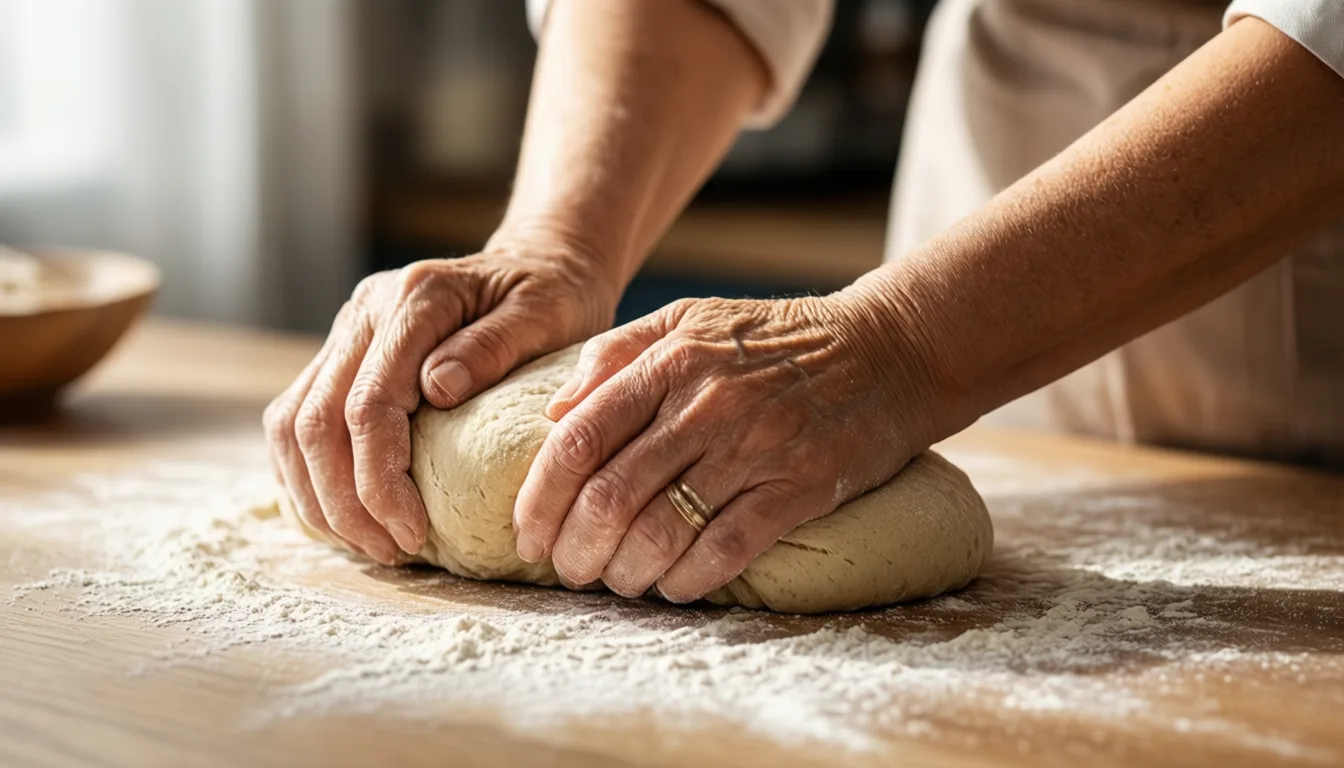
Grip strength is one of the Fried frailty criteria — which is why everyday loads (groceries, dough, garden tools) double as low-key training.
The finding everyone shares — and the finding they skip
Here's the part that's been getting passed around: at baseline, osteosarcopenia was dramatically more common in people who were already frail (27.5%) than in those who were pre-frail (10.8%) or non-frail (0%), according to the I-Lan analysis. That's a striking snapshot. Bone-plus-muscle loss clearly travels with frailty.
But — and this is the part that matters for a longevity reader — when the authors asked whether osteosarcopenia at baseline predicted who became frail eight years later, the association did not reach statistical significance. The odds ratio pointed in the expected direction (OR 2.67), but the confidence interval crossed 1 (95% CI 0.85–8.40, p = 0.094). The same was true for sarcopenia, osteopenia, and osteoporosis on their own. The authors' own conclusion is appropriately measured: neither osteosarcopenia nor its components was significantly associated with frailty risk at eight years in this cohort.
So what do we actually have? A robust cross-sectional link, and a longitudinal signal that is suggestive but not proven. That's why this piece is labeled moderate evidence and not strong. It's a real lead — not a verdict.
Osteosarcopenia clearly travels with frailty. Whether it drives frailty years in advance is still an open question.
Why this still matters in your 40s and 50s
Even with a cautious read of the data, the practical takeaway doesn't really change. The I-Lan cohort had a mean baseline age of 63.9 — meaning the bone and muscle people brought into their 60s was largely built (or not built) in the decades before. Frailty is not a switch that flips at 75. It's a slow drift, and the inputs that bend the curve — resistance training, enough protein, staying active outside of "workouts" — are the same inputs that look protective across nearly every aging study we have.
The smart-friend version: you're not training today because you'll be frail tomorrow. You're training because the version of you that's 70 will be working with whatever bone density and muscle mass you bank now. Lifting something heavy-ish a few times a week, getting protein at every meal, and walking a lot is the unsexy core. Everything else is seasoning.
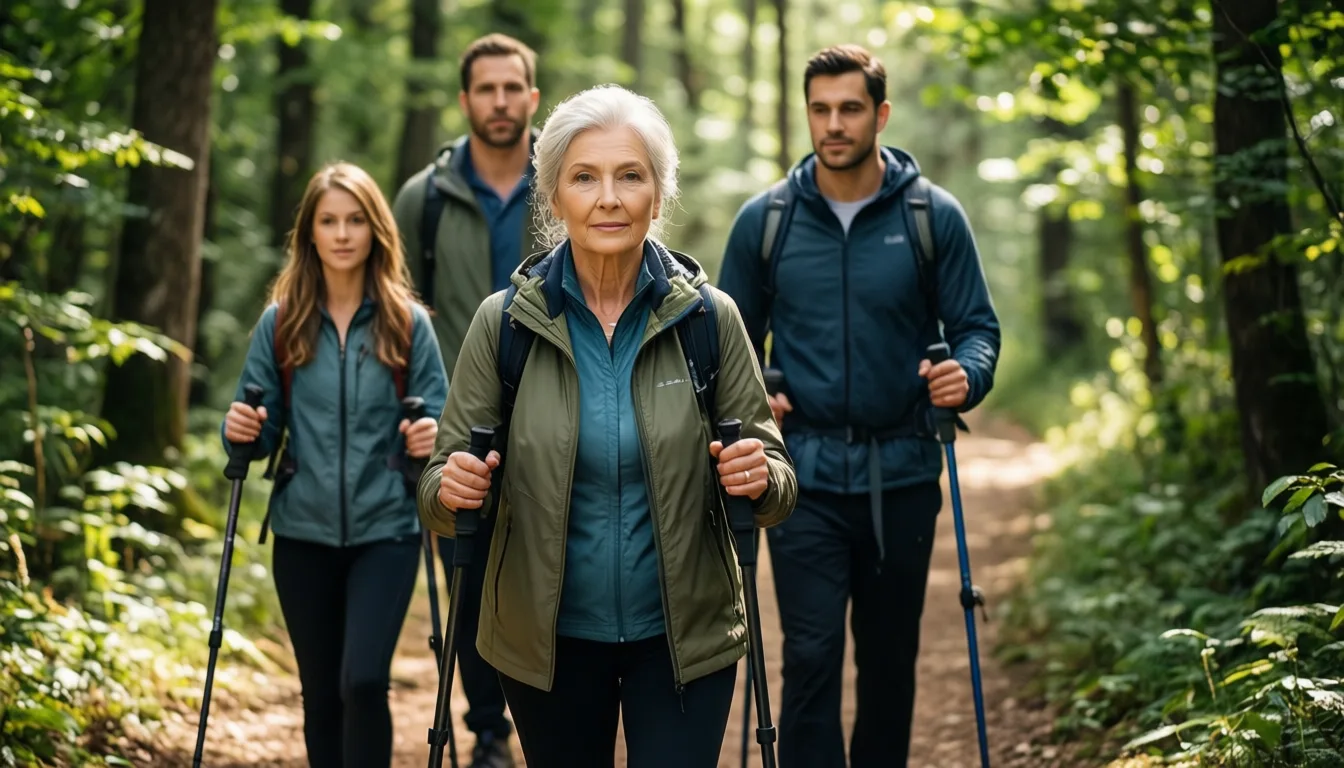
Community-dwelling older adults — the population the I-Lan study followed — are exactly who longevity guidance is built around.
- Osteosarcopenia is a real concept. It's the overlap of weak bones and shrinking muscle — and at any given moment, it tracks closely with frailty.
- The new I-Lan follow-up is more cautious than the headlines. At 8 years, osteosarcopenia did not significantly predict who became frail, though the trend pointed that way.
- Cross-sectional ≠ causal. Seeing two things together in older adults today doesn't prove one caused the other tomorrow.
- The action items don't change. Resistance training and adequate protein remain the best-supported levers for preserving both bone and muscle.
- Frailty is built decades early. Most participants were already in their 60s at baseline — the time to invest is well before then.
- This is education, not prescription. Talk to a clinician before starting a new training program or changing your diet, especially if you've had fractures or balance issues.
What I'll be watching next
The I-Lan authors are clear that data on osteosarcopenia and frailty risk is still scarce, and their own follow-up couldn't seal the case. The most useful next chapter would be larger, longer cohorts that catch people before any bone or muscle loss is measurable — and that test whether training and nutrition interventions actually bend the frailty curve, not just the lab values. Until then, the honest framing is the one a good clinician would give you: the link is plausible, the snapshot is suggestive, and the basics are worth doing anyway.
Frequently asked questions
What is osteosarcopenia?
Osteosarcopenia is the overlap of two age-related conditions: sarcopenia, which is the loss of muscle mass and strength, and osteopenia or osteoporosis, which are the stages of thinning bone. Longevity researchers think it may be one of the earliest warning signs that someone is drifting toward frailty.
How did the I-Lan study define frailty?
The study used the Fried criteria, a specific clinical framework built from measurable factors including unintentional weight loss, exhaustion, weak grip strength, slow walking, and low physical activity. In research terms, frailty is not a vague sense of feeling old but a defined clinical syndrome.
Did the study prove that osteosarcopenia causes frailty years later?
No. When researchers asked whether osteosarcopenia at baseline predicted who became frail eight years later, the association did not reach statistical significance — the confidence interval crossed 1 and the p-value was 0.094. The authors' own conclusion is that neither osteosarcopenia nor its components was significantly associated with frailty risk at eight years in this cohort.
How common was osteosarcopenia among people who were already frail at the start of the study?
At baseline, osteosarcopenia was present in 27.5% of participants who were already frail, compared to 10.8% of those who were pre-frail and 0% of those who were non-frail. The article describes this as a striking cross-sectional snapshot showing that bone-plus-muscle loss clearly travels with frailty.
Why does the article say this research still matters for people in their 40s and 50s?
The mean baseline age of the I-Lan cohort was 63.9, meaning the bone and muscle participants brought into their 60s was largely built — or not built — in the decades before. The article frames frailty not as a switch that flips at 75 but as a slow drift, and notes that the inputs most likely to help — resistance training, adequate protein, and staying active — appear protective across nearly every aging study available.
Sources
- Osteosarcopenia and frailty risk in community-dwelling older adults: A follow-up of the I-Lan Longitudinal Aging Study. — Archives of gerontology and geriatrics
Join the conversation
Comments are moderated and reviewed before they appear. Be constructive — this is health information.
Add your comment