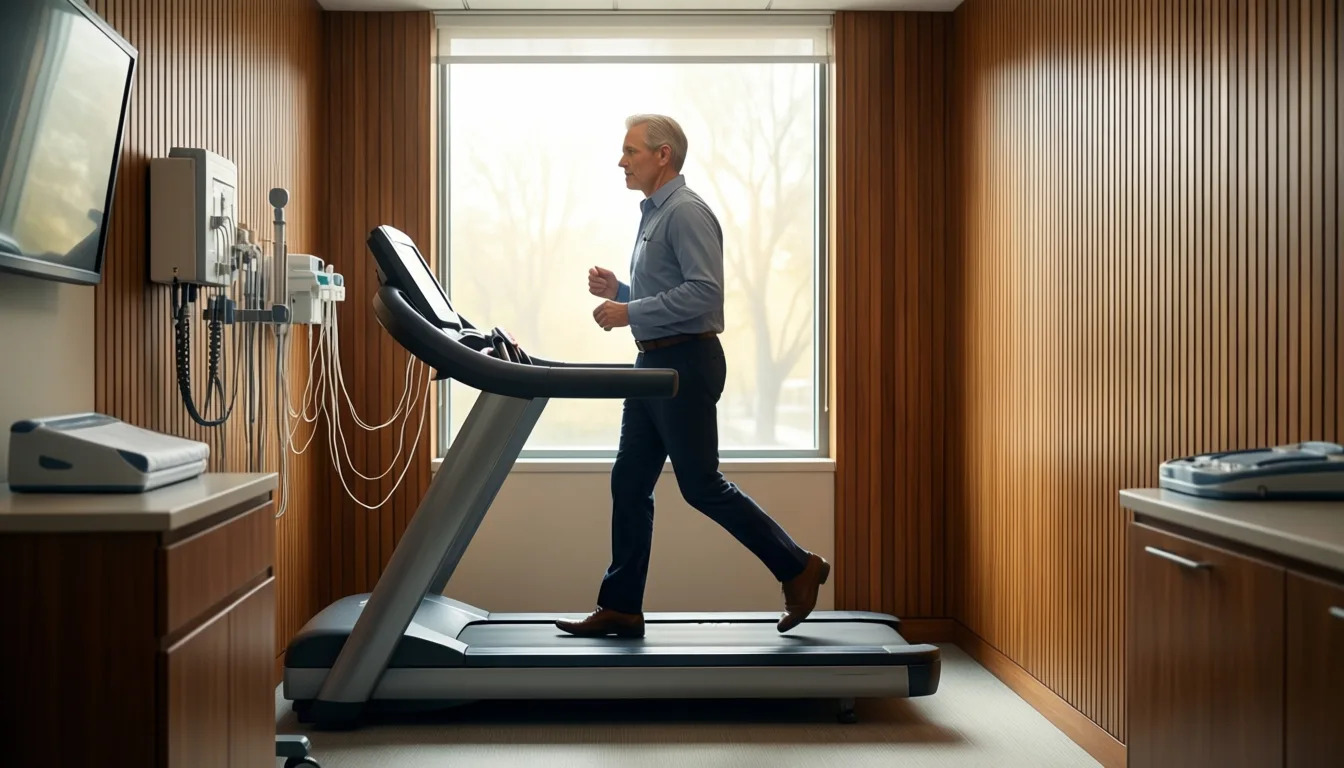
The Fitness You Bring to a Virus: What Cooper Clinic Data Says About COVID and Staying Strong
A rare prospective study with pre-pandemic treadmill scores shows infection nudges fitness downward — and the men who started lower had the hardest recoveries.
For most of the pandemic, we were arguing about it with incomplete numbers. Did the virus actually shave something off the engine, or were people just deconditioned from a long stretch on the couch? The honest answer, until recently, was that almost nobody had a good before-and-after picture. Treadmill tests done in 2018 don't tend to sit in a drawer waiting to be useful in 2023. At the Cooper Clinic in Dallas, they happened to. And what those serial measurements show is quieter than the headlines but, for men our age, more useful.
The Cooper Center Longitudinal Study followed just over four thousand adults between 2017 and 2023 who had their cardiorespiratory fitness measured at least twice on a maximal treadmill protocol. Roughly forty-two percent reported a bout of COVID along the way. A small slice — about five percent of those infected — reported symptoms that dragged on past three months, the working definition of long COVID. Because the clinic had pre-pandemic fitness scores on file, the researchers could ask a question most studies could not: what did these people look like, aerobically, before the virus found them?
The answer is the part worth sitting with. The men and women who later developed long COVID were already starting from a lower rung. Their baseline fitness averaged ten metabolic equivalents, compared with about eleven for those who recovered uneventfully and for the uninfected. That's not a dramatic gap on paper, but in treadmill terms it's the difference between comfortably finishing a stage and reaching for the handrail. The finding held up after the authors adjusted for the usual suspects.
What the treadmill actually saw
Every group lost a little ground over the study window — roughly two-tenths of a metabolic equivalent, which is about what you'd expect from the slow tax of aging. The infected lost a hair more than the uninfected, on the order of a tenth of a MET. That's a real, statistically detectable signal, and it's also a small one. By long COVID status, the additional decline didn't reach statistical significance, partly because only eighty people in the cohort met that definition. The authors are careful about that limitation, and so should we be.
Two things can be true at once. The virus does appear to leave a small aerobic footprint, on average, in people who get it. And the people who arrived at the infection with less fitness in the bank were the ones who struggled longest afterward. Whether that's because lower fitness causes worse outcomes, or because whatever conditions dragged fitness down in the first place also predisposed people to a rougher course, the data here cannot fully separate. This is a moderate piece of evidence, not a verdict.
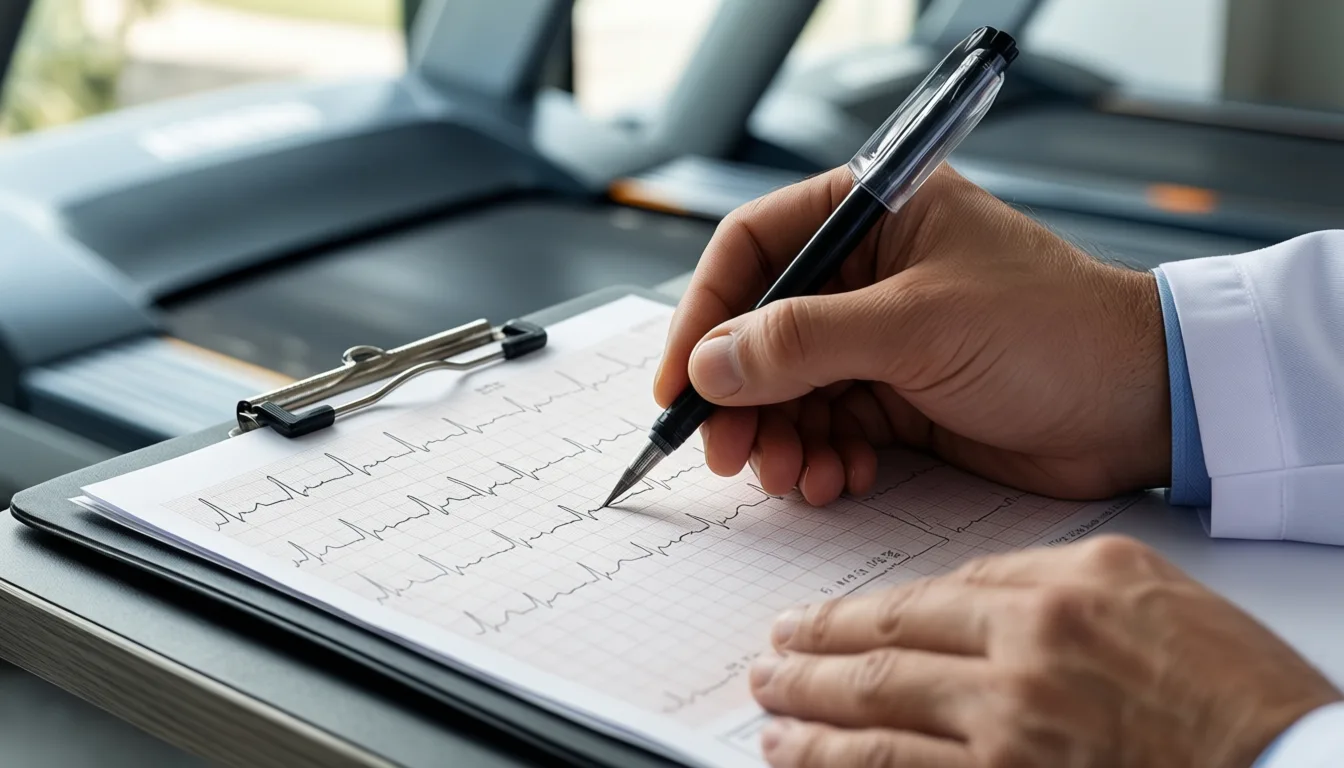
Serial treadmill tests, taken years apart, gave researchers something most pandemic studies lacked: a real before.
The men who arrived at the infection with less in the tank are the ones still climbing back.
Why this matters past sixty
Cardiorespiratory fitness has been one of the more reliable predictors of how long, and how well, a person lives. The Cooper group has spent decades building that case in their own cohort. What this newer analysis adds is a stress test, in the literal sense: when a novel virus came through, the people with more aerobic capacity took the hit better. That's the practical takeaway for a reader in his sixties or seventies. Fitness is not a shield against infection. It looks, instead, like a shock absorber.
It's also one of the few resilience assets you can still build at our age. Muscle responds. The cardiovascular system responds. The pace of gain is slower than it was at forty, and the soreness lasts longer, but the trajectory bends. A man who can comfortably hold a brisk walk up a moderate grade is operating at roughly the fitness level that separated the recovered from the long-haulers in this study. That is not nothing, and it is not out of reach for most people who haven't been told by a clinician to hold back.
- Baseline fitness mattered. Participants who later reported long COVID had measurably lower pre-infection treadmill scores.
- The infection penalty was real but small. Infected adults lost about a tenth of a MET more than the uninfected over the study window.
- Long COVID's extra decline didn't reach significance — only eighty people in the cohort met that definition, so read the result with appropriate humility.
- Everyone declined a bit. About two-tenths of a MET across all groups, the ordinary tax of years.
- Fitness behaves like a buffer, not a shield. It doesn't prevent infection; it appears to soften what the infection costs you.
- Talk to your clinician before changing exercise intensity, especially after a recent infection.

The fitness range that separated the recovered from the long-haulers is within reach of most steady walkers.
What to read carefully, and what to skip
A few cautions before anyone files this under settled science. COVID status was self-reported, which means some people in the "uninfected" group almost certainly had the virus and never knew. The cohort skews healthier and more affluent than the country at large — this is a preventive medicine clinic in Dallas, not a public hospital. And the long COVID subgroup is small enough that the study can describe it but not fully explain it. The authors flag these limits plainly, which is the right way to publish a finding of this size.
None of that erases the signal. The direction of the data lines up with what cross-sectional studies have been hinting at for years, and it does so with a study design that's hard to come by. For a reader weighing whether to keep up the walking, the resistance work, the boring consistency of it all, this is another modest piece of evidence on the side of yes.
The Cooper data won't be the last word on this. Larger cohorts with pre-infection fitness measurements will eventually clarify what this study could only suggest. But the through-line is consistent with what longevity research has been telling us for a long time, in plainer language than the journals tend to use: the work you put in before you need it is the work that pays you back when something goes wrong. A treadmill score from 2018 turned out to be a useful thing to have in 2023. The same will likely be true of the walk you take tomorrow morning.
Frequently asked questions
What did the Cooper Clinic study find about fitness levels in people who later developed long COVID?
People who went on to develop long COVID already had lower cardiorespiratory fitness before they were ever infected, averaging 10 metabolic equivalents on the treadmill test compared with about 11 for those who recovered uneventfully and for those who weren't infected at all. The finding held up after the researchers adjusted for other factors.
How much aerobic fitness did people actually lose over the course of the study?
Every group in the study lost about two-tenths of a metabolic equivalent over the study window, which the authors describe as roughly what you'd expect from the ordinary effects of aging. People who were infected lost approximately a tenth of a MET more than the uninfected, a real but small difference.
Did people with long COVID show a significantly greater decline in fitness than those who recovered normally?
The additional fitness decline in the long COVID group did not reach statistical significance. The authors note this is partly because only about 80 people in the cohort met the long COVID definition, and they flag that limitation plainly.
Does being fit protect you from catching COVID in the first place?
According to the article, fitness is not a shield against infection. It appears instead to act like a shock absorber — people with more aerobic capacity took the hit better when the virus came through, but fitness did not prevent infection.
What are the main limitations the researchers acknowledged about this study?
COVID status was self-reported, meaning some people counted as uninfected likely had the virus without knowing it. The cohort also skews healthier and more affluent than the general population, since this was a preventive medicine clinic rather than a public hospital, and the long COVID subgroup was small enough that the study could describe it but not fully explain it.
Sources
- Association of Pre-COVID Fitness With Post-COVID Fitness and Long COVID in the Cooper Center Longitudinal Cohort Study. — Journal of the American Heart Association
Join the conversation
Comments are moderated and reviewed before they appear. Be constructive — this is health information.
Add your comment