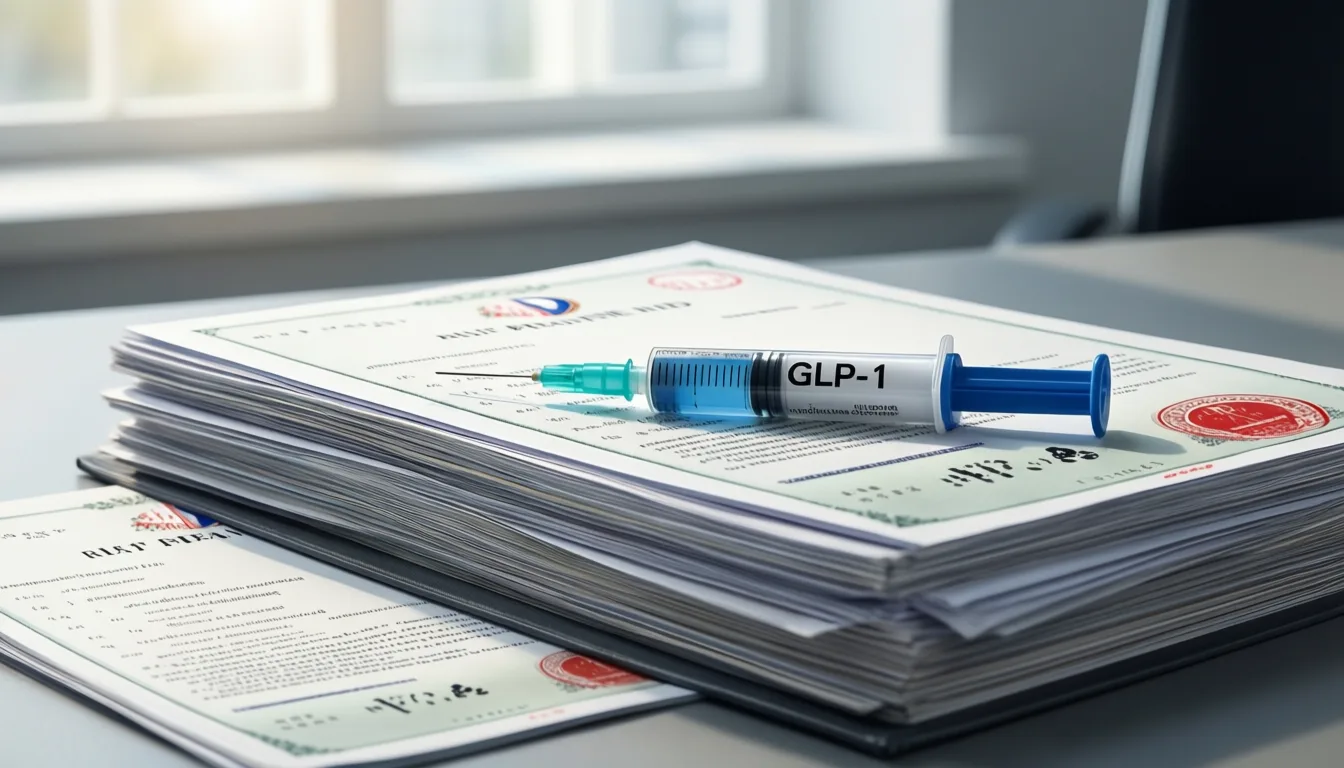
Patents, Product Hops, and the Coming GLP-1 Affordability Cliff
A new legal analysis warns that the same patent playbook that kept inhalers expensive for decades is now being run on GLP-1 drugs — just as millions of women are lining up for them.
If you've spent the last year staring at a GLP-1 price tag and doing mental math about your grocery budget, I have annoying news and useful news. The annoying news: a 2025 legal analysis in The Journal of Law, Medicine & Ethics argues that the cheaper, generic version of these drugs may be further away than the hype cycle suggests. The useful news: understanding why turns out to be weirdly empowering, because the obstacle isn't science. It's paperwork — strategically deployed, lawyer-approved, billion-dollar paperwork.
Here's the setup. GLP-1 receptor agonists — the class that includes the brand names you've seen in every group chat — aren't just a molecule in a bottle. They're a drug plus a delivery device, usually an injector pen. That combination matters, because in U.S. pharmaceutical law, the device is patentable too. So is the formulation. So is the dose schedule, the cartridge geometry, the button mechanism, the packaging. A legal scholar at Harvard, William Feldman, lays out in a recent peer-reviewed analysis how brand-name manufacturers stack dozens of these peripheral patents around a single product — a tactic the literature has nicknamed a "patent thicket."
A thicket doesn't have to win in court. It just has to be expensive and slow to cut through. Every patent is a potential lawsuit a generic challenger has to fight, and every fight is years and millions of dollars. The math gets ugly fast, and a lot of generic makers simply… don't bother.
The other half of the playbook: the "product hop"
The second move Feldman dissects is even slicker. It's called product hopping, and it works like this: right before a brand-name drug faces generic competition, the manufacturer rolls out a tweaked version — a new formulation, a new dose, a new device — with fresh patent protection. Doctors get nudged toward the new version. Insurers move coverage. By the time a generic of the original product finally arrives, the market has quietly migrated to a product the generic doesn't match. The Journal of Law, Medicine & Ethics analysis identifies inhalers as the textbook case — patients have been paying brand-name prices for asthma drugs whose active ingredients went off-patent ages ago — and warns that GLP-1s share the same drug-device structure that made inhalers so hop-able.
This is the part that should make any of us paying out of pocket sit up. It is not a conspiracy theory. It is a documented regulatory pattern, now being formally flagged in the legal literature as a near-term risk for the most in-demand drug class of the decade.
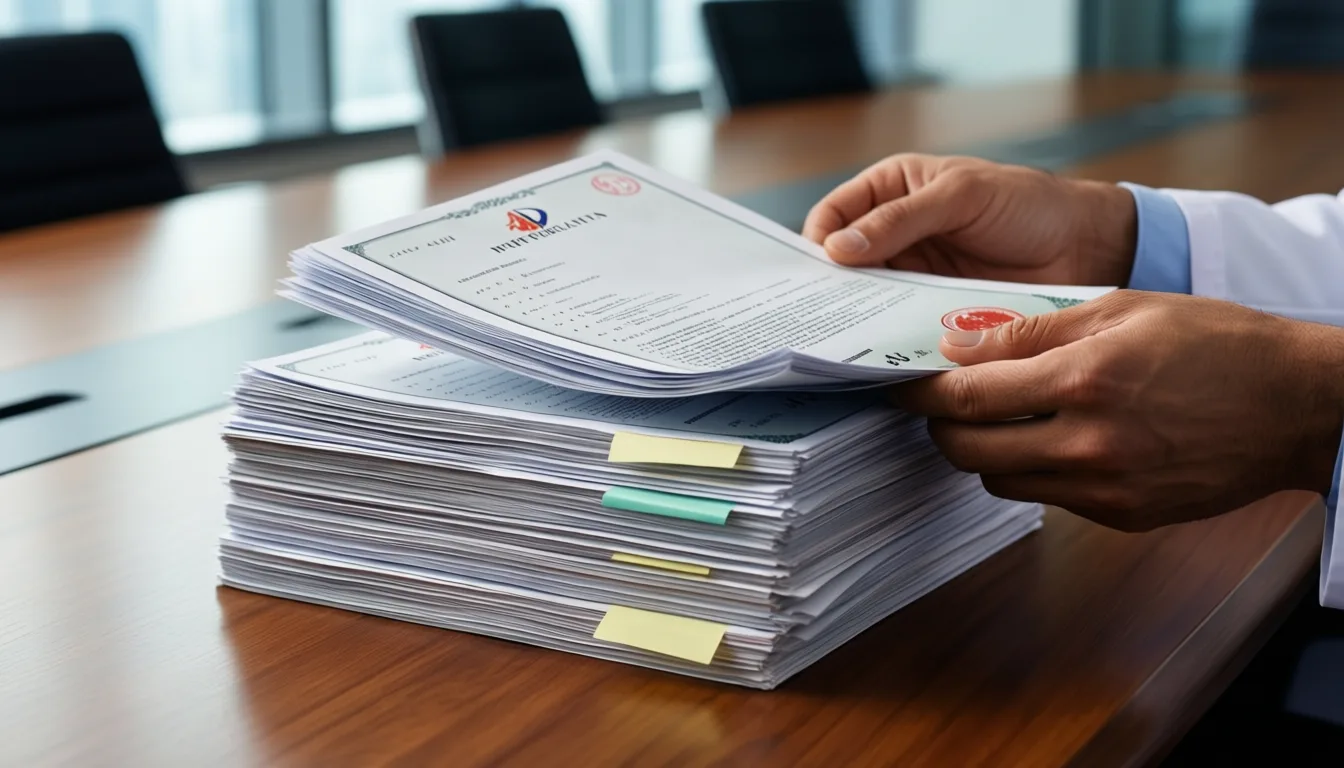
A single GLP-1 product can be wrapped in dozens of peripheral patents — on the pen, the cartridge, the dose dial, the formulation.
The obstacle to a cheaper GLP-1 isn't science. It's strategically deployed, billion-dollar paperwork.
What Congress is — and isn't — doing about it
Here's the cautiously hopeful part. Feldman notes that during the last legislative session, the Senate Judiciary Committee advanced three bipartisan bills aimed at speeding up generic competition. Bipartisan. In this Congress. That alone tells you the patent-gamesmanship problem has become hard to ignore.
But the analysis is blunt that the bills, as written, are a step forward and not a fix. The author argues that real reform would also need: routine re-examination by the U.S. Patent and Trademark Office of the patents drugmakers list with the FDA; a bigger role for the FDA itself in vetting those listings; caps on how many patents a brand can throw at a generic challenger in a single lawsuit; stronger incentives for companies willing to mount challenges in the first place; and more flexibility for the FDA to approve complex generics — the drug-device combinations exactly like GLP-1 pens.
None of that is on the President's desk. Most of it isn't even in a bill yet. Which is why "regulatory concern" is the honest label here, not "regulatory crisis solved."
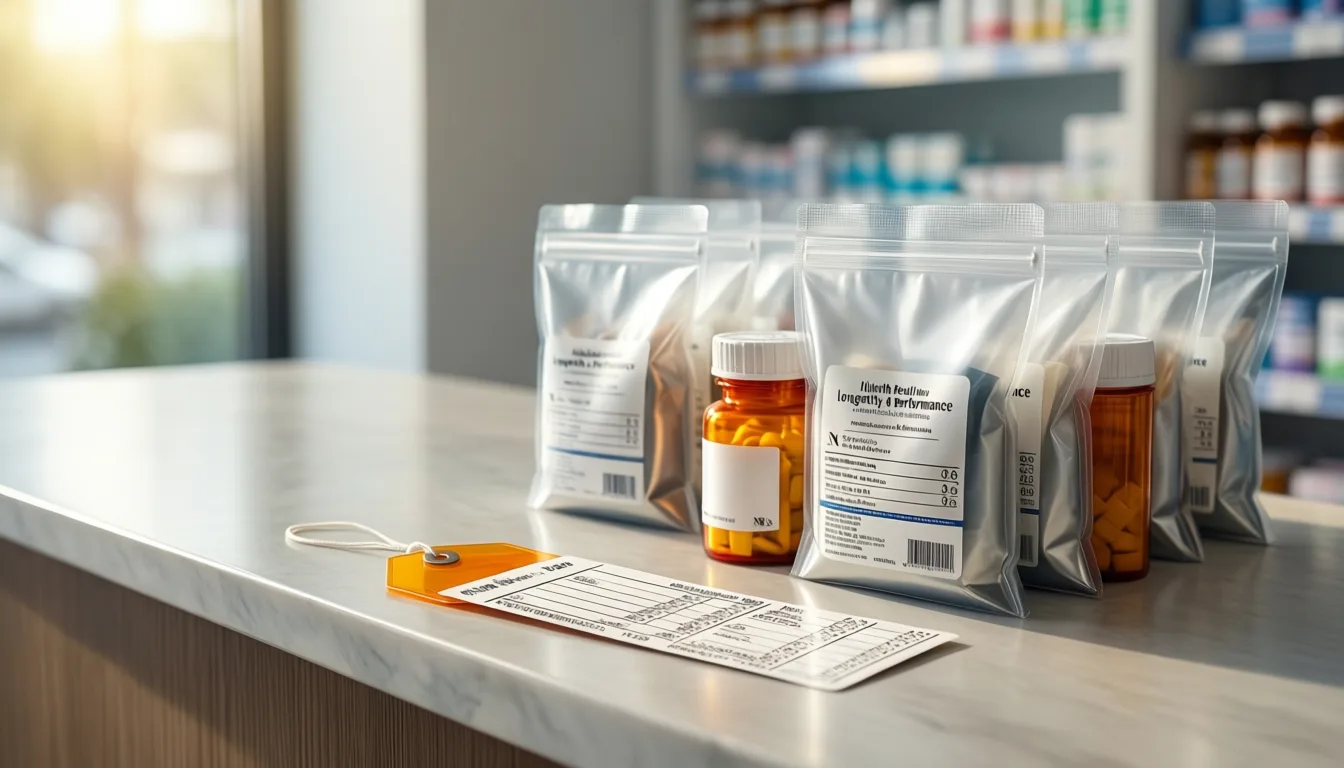
For drug-device combinations, generic entry tends to lag the patent cliff by years — not months.
What this actually means for you
I want to be careful here, because this is the spot where health journalism likes to slide into either doom or hot tips. Neither is appropriate. The paper is a legal-policy analysis, not a clinical trial or a price forecast. It does not predict a specific date when GLP-1s will get cheaper, and it does not tell you what to do about your prescription. What it does do is name the structural reasons you shouldn't budget around a sudden generic-driven price drop in the next year or two.
If you're navigating perimenopause, metabolic shifts, or a GLP-1 conversation with your clinician right now, the practical read is this: treat affordability as a planning question, not a waiting game. Ask your prescriber about clinical alternatives, patient-assistance programs, and whether the dose or device you're being started on has known supply or coverage quirks. Bring the question of cost into the appointment out loud. None of that is medical advice from me — I'm a writer, not your doctor — but it is the kind of conversation the policy reality justifies.
- Patent thickets are dozens of peripheral patents stacked around a single drug-device product, making generic challenges slow and expensive.
- Product hops shift patients onto a tweaked, freshly-patented version just before generics arrive — the inhaler playbook, now a GLP-1 risk.
- A 2025 legal analysis in The Journal of Law, Medicine & Ethics warns GLP-1s are structurally vulnerable to both tactics.
- Three bipartisan Senate bills have advanced, but the author argues they're a start, not a fix.
- For readers: don't budget around an imminent generic price drop. Raise cost openly with your clinician and ask about assistance programs.
The bigger picture worth holding onto: the GLP-1 story isn't only a story about a drug. It's a stress test of whether the U.S. patent system can handle a blockbuster fast enough for the people who actually need it to be affordable. Right now, the honest answer from the legal literature is not yet. Knowing that won't lower your copay this month. But it will keep you from being surprised — and from outsourcing your planning to a generic that may take longer to arrive than the headlines suggest.
Frequently asked questions
What is a patent thicket, and how does it affect access to cheaper GLP-1 medications?
A patent thicket refers to dozens of peripheral patents stacked around a single drug-device product — covering not just the active molecule but also the injector pen, cartridge geometry, dose dial, and formulation. Each patent represents a potential lawsuit that a generic manufacturer must fight, making the challenge slow and expensive enough that many generic makers simply choose not to attempt it.
What is 'product hopping,' and why is it a concern for GLP-1 drugs specifically?
Product hopping occurs when a brand-name manufacturer rolls out a tweaked version of a drug — a new formulation, dose, or device with fresh patent protection — just before the original faces generic competition, nudging doctors and insurers toward the new version so that the eventual generic matches a product the market has already moved away from. The article warns that GLP-1s share the same drug-device structure as inhalers, which are identified as the textbook case of this tactic, where patients have continued paying brand-name prices long after active ingredients went off-patent.
What is Congress doing to address GLP-1 patent issues, and is it enough?
The Senate Judiciary Committee advanced three bipartisan bills aimed at speeding up generic competition. However, the legal analysis described in the article characterizes these bills as a step forward and not a fix, noting that broader reforms — such as routine USPTO re-examination of listed patents, a bigger FDA role in vetting those listings, and caps on how many patents a brand can deploy against a generic challenger — are not yet in legislation.
Should I expect a cheaper generic GLP-1 option in the next year or two?
The 2025 legal analysis in The Journal of Law, Medicine & Ethics does not predict a specific date when GLP-1s will become cheaper, and the article explicitly states that readers should not budget around a sudden generic-driven price drop in the near term. For drug-device combinations like GLP-1 pens, generic entry tends to lag the patent cliff by years, not months.
What practical steps does the article suggest for people managing GLP-1 costs right now?
The article recommends treating affordability as a planning question rather than a waiting game, and suggests asking your prescriber about clinical alternatives, patient-assistance programs, and any supply or coverage quirks associated with your current dose or device. It also advises raising the question of cost openly during your appointment.
Sources
- Patent Thickets and Product Hops: Challenges and Opportunities for Legislative Reform. — The Journal of law, medicine & ethics : a journal of the American Society of Law, Medicine & Ethics
Join the conversation
Comments are moderated and reviewed before they appear. Be constructive — this is health information.
Add your comment