
The Sex-Frailty Paradox: Why Women Outlive the Men Who Outlast Them
Women rack up more frailty as they age, yet keep outliving the men around them. New centenarian data hints that the answer is hiding in their inflammation.
Here's a riddle that has been bugging scientists for decades: women, on average, get frailer than men as they age — and yet they keep outliving them. Like, by years. If frailty is supposed to be the thing that kills you, how does the group with more of it cross the finish line later? I asked the obvious beginner question and went looking for a grown-up answer. The newest clue, it turns out, isn't in muscles or bones at all. It's hiding in the slow, simmering inflammation inside our cells — and it looks different depending on whether you're a woman or a man.
Geroscientists have a nickname for this brain-twister: the sex-frailty paradox. The short version is that women tend to accumulate more of the little things that add up to frailty — slower walking speed, weaker grip, more chronic conditions — but they still die later than men. A 2025 study in Aging Clinical and Experimental Research tried to pry the paradox open by looking at 452 people sliced into age groups (under 80, 81–99, and 100-plus) and stratified by sex. Think of it as a snapshot of three different chapters of getting older, with women and men on facing pages.
What jumped out wasn't just the frailty scores. It was how those scores shifted across the life course. Under 80, women were less frail than men their age. In the 81-to-99 bracket, the two sexes basically tied. And then, among the centenarians — the people who'd already outlasted nearly everyone — women were actually frailer than the men who'd made it that far. Same puzzle, sharper edges.
Meet inflammaging, the slow burn
To understand the next clue, you need one piece of vocabulary: inflammaging (yes, really). It's the term researchers use for the low-grade, chronic inflammation that quietly builds up as we age — not the angry red kind you get from a sprained ankle, more like a pilot light that never quite turns off. Over decades, that pilot light is thought to nudge along heart disease, dementia, and the general wear-and-tear of getting older.
The study's team measured a panel of inflammatory markers in the blood of everyone in the cohort. Most of those markers went up with age in both sexes — no surprise there. The surprise was what those markers were doing. In women, certain inflammatory signals tracked with frailty in one pattern; in men, the same signals lined up differently. Same biology, different wiring diagram.
Same biology, different wiring diagram — and possibly different routes to a long life. On the study's central finding
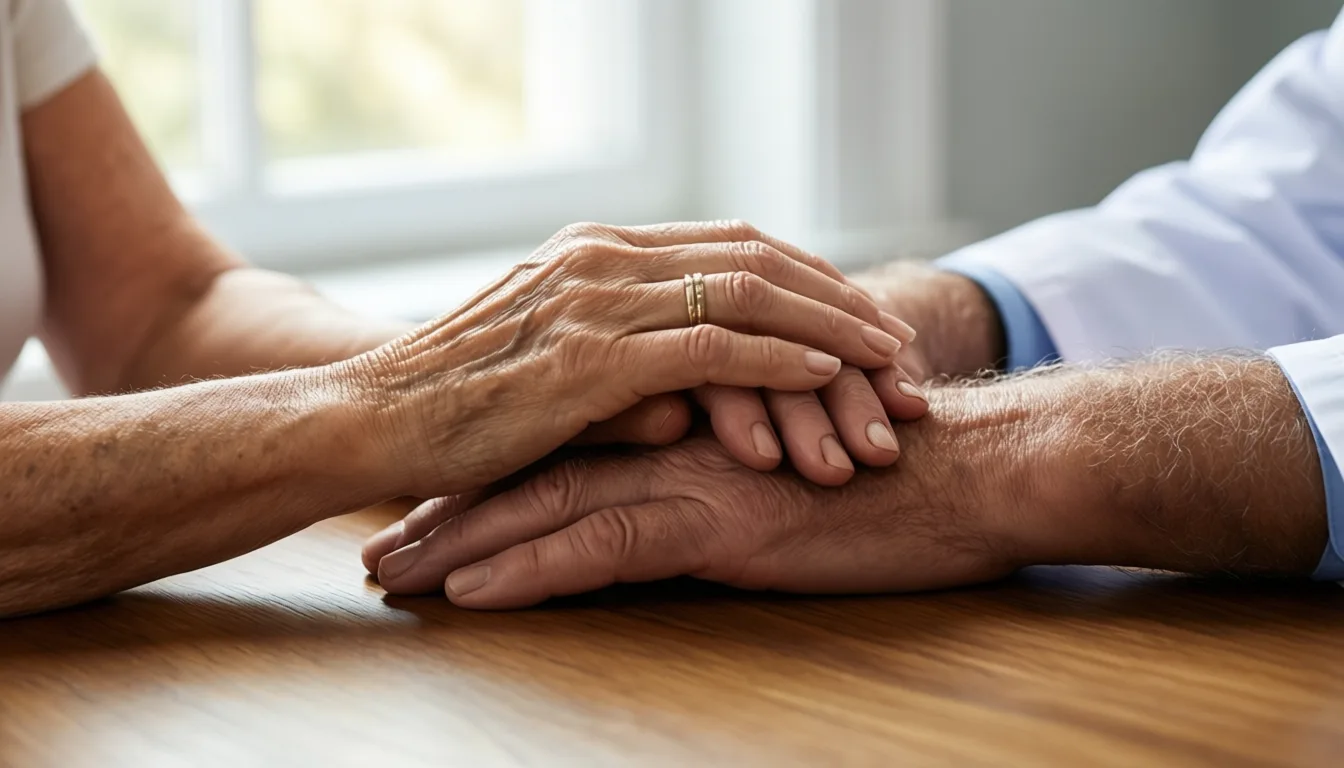
The same age, the same inflammation markers — but the biology underneath may be telling two different stories.
So why do frailer women still win the longevity race?
This is where I have to be honest with you: no one fully knows yet. The authors are careful, and so should we be. What they argue is that frailty in women and frailty in men may share a name but not a mechanism. If the inflammatory roots are different, then the path from "a little frail" to "seriously sick" might also be different — and women's version of that path might, on average, be more survivable.
Researchers have long pointed to a mix of things to explain why women outlive men: hormones (estrogen seems protective for the heart, at least until menopause), two X chromosomes (a kind of genetic backup copy), behavior (men are more likely to die from accidents, violence, and risky habits), and social factors (women tend to seek out healthcare earlier). The new data doesn't replace any of that. It adds a molecular layer underneath it: the biological roots of frailty appear to be partly sex-specific, which means the levers we might one day pull to delay it could be sex-specific too.
The careful, exciting part
Here's where my inner skeptic taps me on the shoulder. This is one study. It's a snapshot, not a movie — researchers looked at different people at different ages rather than following the same people for 100 years (which, fair, would take 100 years). It also leaned more female than male in its sample, partly because there are simply more women left to study at very old ages. And measuring inflammatory markers in the blood is a useful window, but it's still a window — not the whole house.
So when you see headlines promising "sex-specific longevity protocols" coming soon, file them under plausible and worth watching, not book your appointment. The honest read of this evidence is that we have a sharper map of the paradox, not a treatment plan. The authors themselves say more research on sex-specific determinants is needed before any of this becomes a strategy you can actually use in a clinic.
- The paradox is real and getting sharper. In a 452-person cohort, women were less frail than men under 80, even at 81–99, and frailer than men past 100.
- Inflammaging may be sex-specific. The same inflammatory markers rose with age in both sexes, but linked to frailty differently in women and men.
- Frailty isn't destiny. Frailer doesn't automatically mean shorter-lived — at least not in women, and that's the heart of the puzzle.
- It's early days. The evidence is moderate, the sample is cross-sectional, and no sex-specific longevity treatment exists yet.
- What to do now: Keep doing the unsexy basics (movement, sleep, social ties, blood-pressure checks) and talk to a clinician about your personal risk picture.
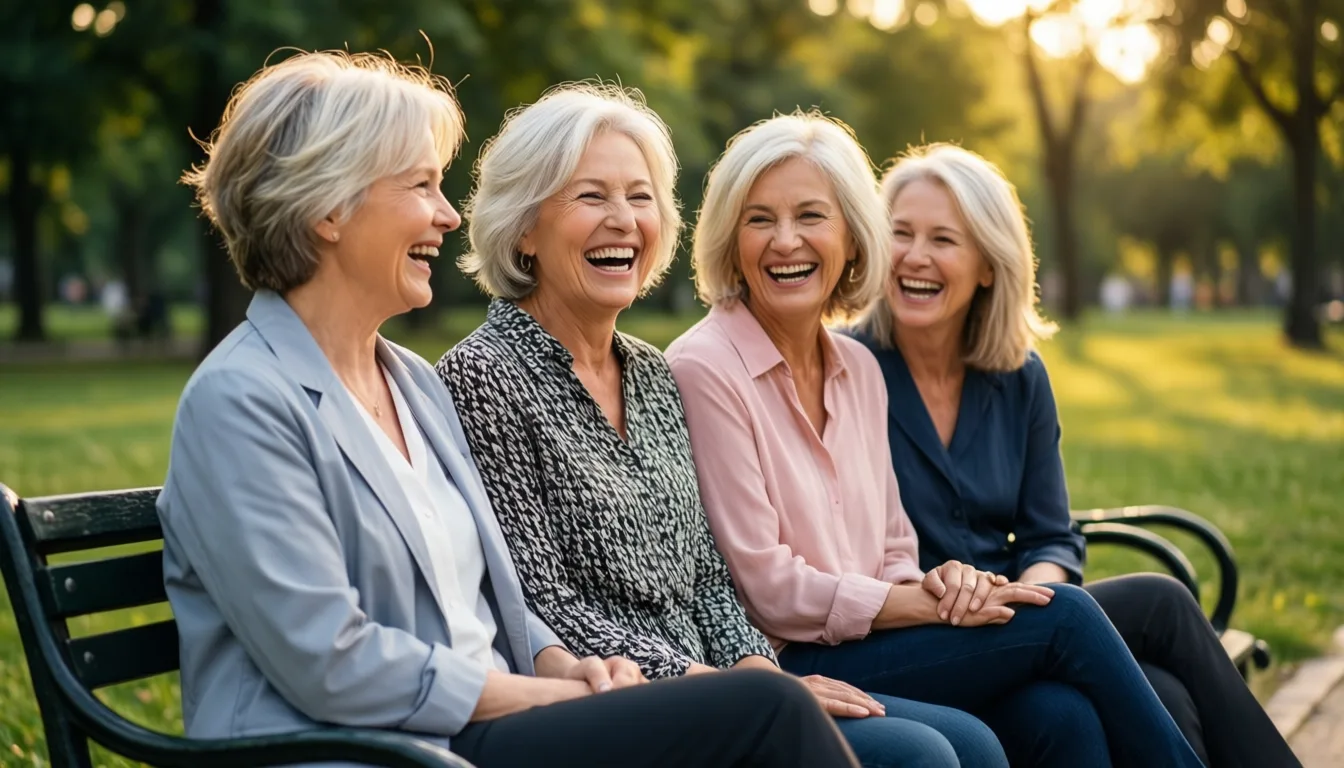
Social connection is one of the most consistent longevity signals in older women — and one of the few "interventions" that's free.
The thing I keep coming back to, as someone new to this corner of science, is how human the paradox feels. Anyone who's spent time in a family knows the pattern: the grandmother who outlives the grandfather by a decade despite a longer list of aches. For years that story was chalked up to luck, or hormones, or men being men. Now there's a hint that something more interesting is going on at the cellular level — that women's bodies might be writing a slightly different ending to the same book.
That doesn't mean anyone should change what they eat or take tomorrow morning based on this paper. It means the question is finally getting the texture it deserves. And honestly? After a century of "women just live longer, shrug," texture feels like progress.
Frequently asked questions
What exactly is the sex-frailty paradox?
The sex-frailty paradox is the observation that women tend to accumulate more markers of frailty — such as slower walking speed, weaker grip, and more chronic conditions — yet still outlive men by years. A 2025 study sharpened the picture by finding that women were less frail than men under 80, roughly equal between ages 81 and 99, and actually frailer than male peers past age 100. The puzzle is how the group with more frailty consistently reaches the finish line later.
What is inflammaging, and why does it matter here?
Inflammaging is the low-grade, chronic inflammation that quietly builds up as we age — not the acute kind from an injury, but a persistent background process described as a pilot light that never quite turns off. Over decades, it is thought to contribute to heart disease, dementia, and general age-related wear-and-tear. The study found that while inflammatory markers rose with age in both sexes, they linked to frailty differently in women than in men, suggesting the biological wiring underneath is sex-specific.
What explanations do researchers offer for why frailer women still outlive men?
Researchers point to several overlapping factors: estrogen appears protective for the heart at least until menopause, two X chromosomes may act as a kind of genetic backup, men are more likely to die from accidents, violence, and risky habits, and women tend to seek healthcare earlier. The newer data adds a molecular layer to those existing explanations, suggesting that the inflammatory roots of frailty may differ by sex, meaning women's version of frailty could, on average, follow a more survivable path.
How large was the study, and how was it designed?
The study enrolled 452 adults divided into three age groups — under 80, 81 to 99, and 100 and older — and stratified by sex. Researchers used a 47-item frailty index and measured a panel of inflammatory markers in participants' blood. Because it compared different people across age groups rather than following the same individuals over time, the authors describe it as a cross-sectional snapshot rather than a long-term movie.
Should I change anything about my health routine based on this research?
The article is clear that no sex-specific longevity treatment currently exists and that the authors say more research is needed before any of this becomes a clinical strategy. The article recommends sticking to established basics — movement, sleep, social ties, and blood-pressure checks — and speaking with a clinician about your personal risk picture. Social connection in particular is described as one of the most consistent longevity signals in older women and one of the few approaches that costs nothing.
Sources
- Inflammaging and the sex-frailty paradox. — Aging clinical and experimental research
Join the conversation
Comments are moderated and reviewed before they appear. Be constructive — this is health information.
Add your comment