Strength as a Buffer: What Grip Power Reveals About Cancer's Mental Toll
A cross-sectional analysis of nearly 42,000 older Europeans suggests muscular strength softens the link between a cancer diagnosis and depressive symptoms. The signal is moderate — but the direction is unmistakable.
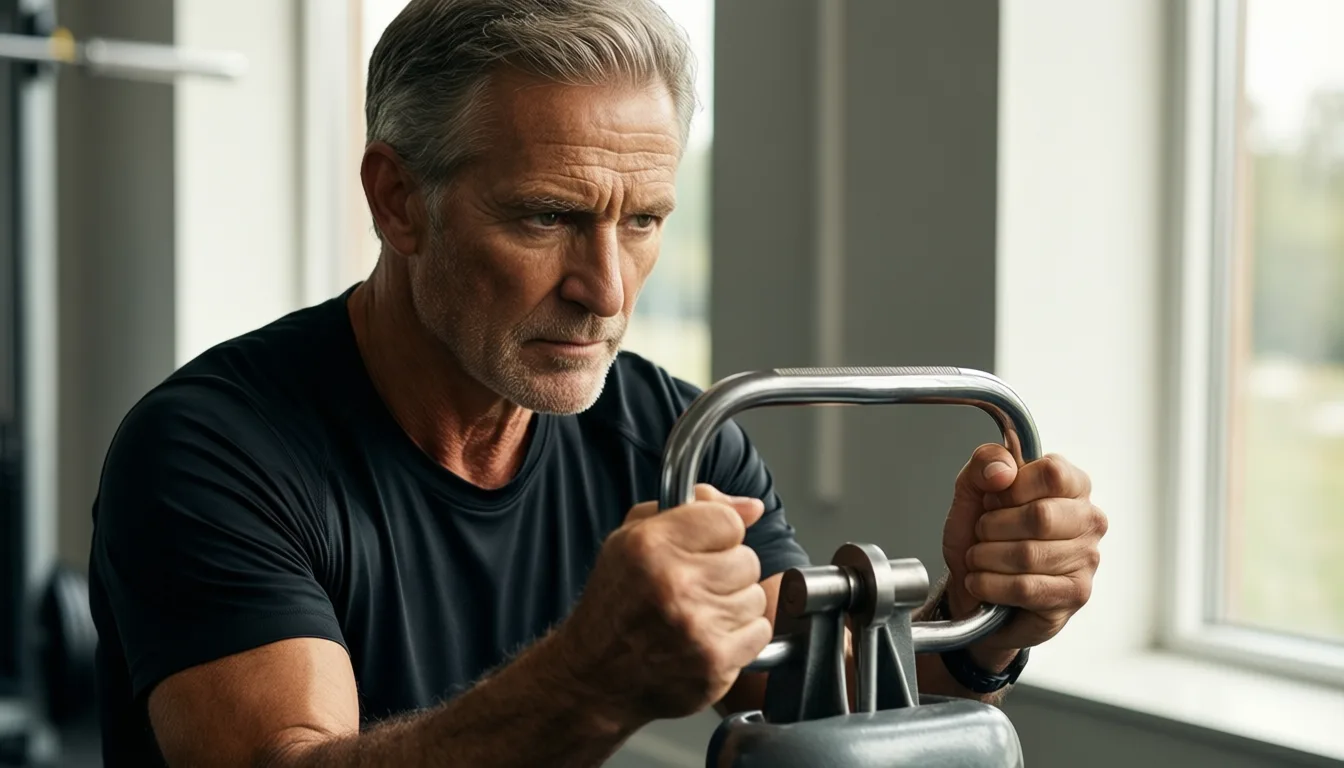
The handshake test is older than sports science itself, but the dynamometer — that small steel device clinicians press into a patient's palm — keeps generating findings that the wellness world is slow to catch up with. The latest comes from a cross-sectional analysis of wave 8 of the Survey of Health, Aging, and Retirement in Europe, where researchers tracked 41,666 adults and found that grip strength meaningfully moderated the relationship between a cancer diagnosis and depressive symptoms. In plain English: stronger people, on average, seemed to absorb the psychological hit of cancer better than weaker ones.
For the looksmaxing crowd that already treats resistance training as non-negotiable, this is a familiar story told from a new angle. Muscle isn't only the substrate of a better silhouette and a sharper jawline; it's an organ system that talks to the brain. And when the body faces a serious medical stressor — in this case, cancer — the size of that conversation appears to matter.
The mechanism the authors propose is not exotic. Depression and cancer co-occur at rates higher than nearly any other disease pairing, and physical fitness, particularly the strength component, has long been associated with lower depressive symptoms in older adults. What the SHARE analysis adds is a population-scale look at the interaction: among people who reported a cancer diagnosis, those with higher grip strength tended to report fewer depressive symptoms on the EURO-D 12-item scale than otherwise similar peers with weaker grips.
What 'moderate' actually means here
A word on calibration. This was a cross-sectional snapshot, not a randomized trial. It tells us that strength and mood track together in the presence of cancer; it cannot tell us that lifting heavier things next quarter will inoculate anyone against depression. The reported moderation coefficients were small (B = -0.025 for men, B = -0.02 for women), and the female confidence interval brushed against zero. That is exactly the kind of result that deserves the word 'moderate' — directional, plausible, worth acting on, not worth overclaiming.
The authors also identified thresholds where the buffering effect appeared to operate: roughly below 55.3 kg of grip force for men and 39.4 kg for women. Above those numbers, the moderating signal flattened. For most readers, those figures aren't a target to chase with a hand-gripper; they're a proxy for whole-body strength capacity in an older population. Grip is the measurement that fits in a clinic — but the underlying variable is how much usable muscle you've built and kept.
Muscle isn't only the substrate of a better silhouette. It's an organ system that talks to the brain — and the size of that conversation appears to matter.
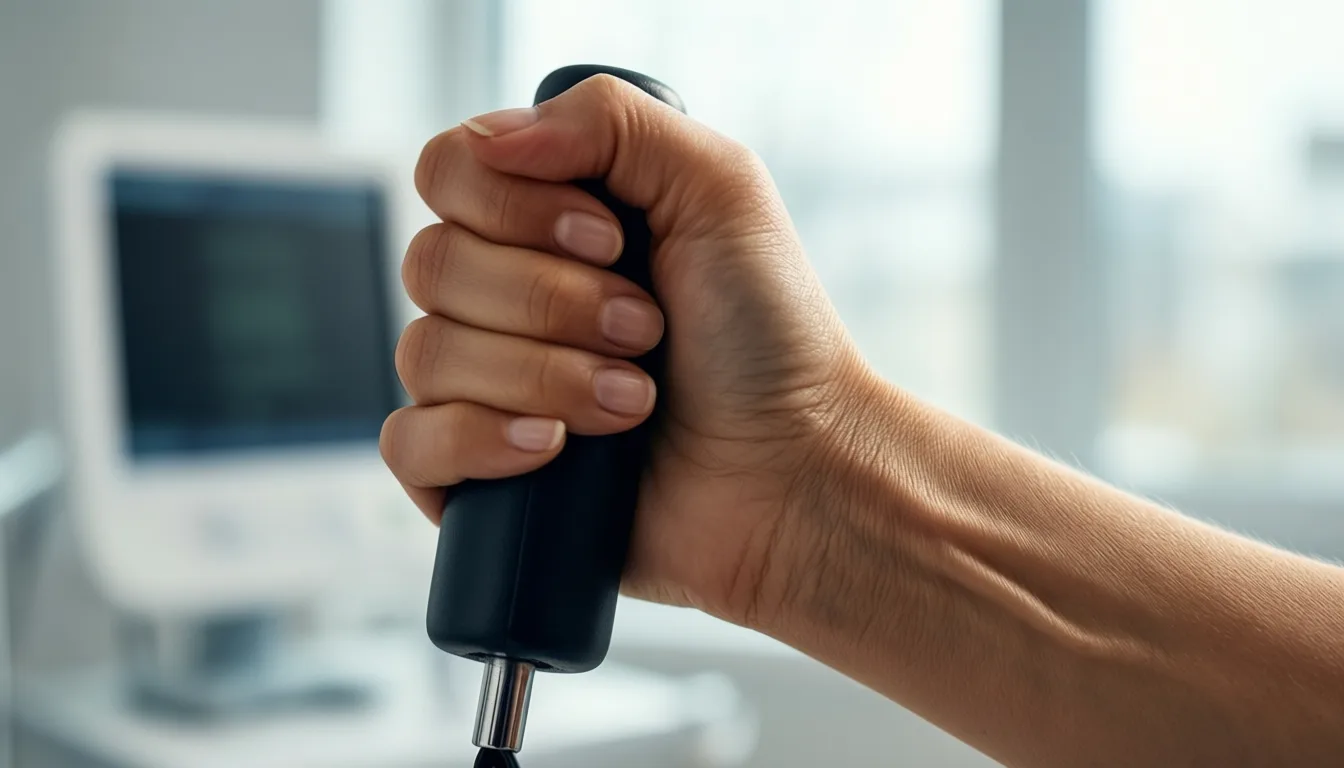
Grip strength is the clinical shorthand researchers use because it's quick and reliable — but it stands in for the whole muscular system.
Why the glow-up reader should care
The aesthetic case for resistance training is already settled: better body composition, denser bone, more upright posture, the visible architecture that photographs well at forty and sixty. The performance case is where the science keeps compounding. Cardiorespiratory fitness gets the longevity headlines, but strength is increasingly framed as a parallel axis — one that may shape how the brain responds when the body takes a hit.
The SHARE finding fits a broader pattern the authors note: muscular strength has shown a protective association with depressive symptoms across multiple studies, and recovery programs that incorporate muscle-strengthening exercise are an increasingly defensible part of survivorship care. It's an argument for treating training as infrastructure, not cosmetics — something you build before you need it.
- The signal is real but moderate. A cross-sectional SHARE analysis links higher grip strength to fewer depressive symptoms among older adults reporting cancer.
- It's association, not causation. The data cannot prove that getting stronger prevents depression — only that the two track together at population scale.
- Grip is a proxy. The thresholds (55.3 kg male / 39.4 kg female) reflect whole-body strength capacity, not a number to game with a hand-trainer.
- Strength is infrastructure. Build it before a medical stressor arrives, not after.
- This is not medical advice. Anyone navigating cancer care should coordinate training plans with their oncology team.
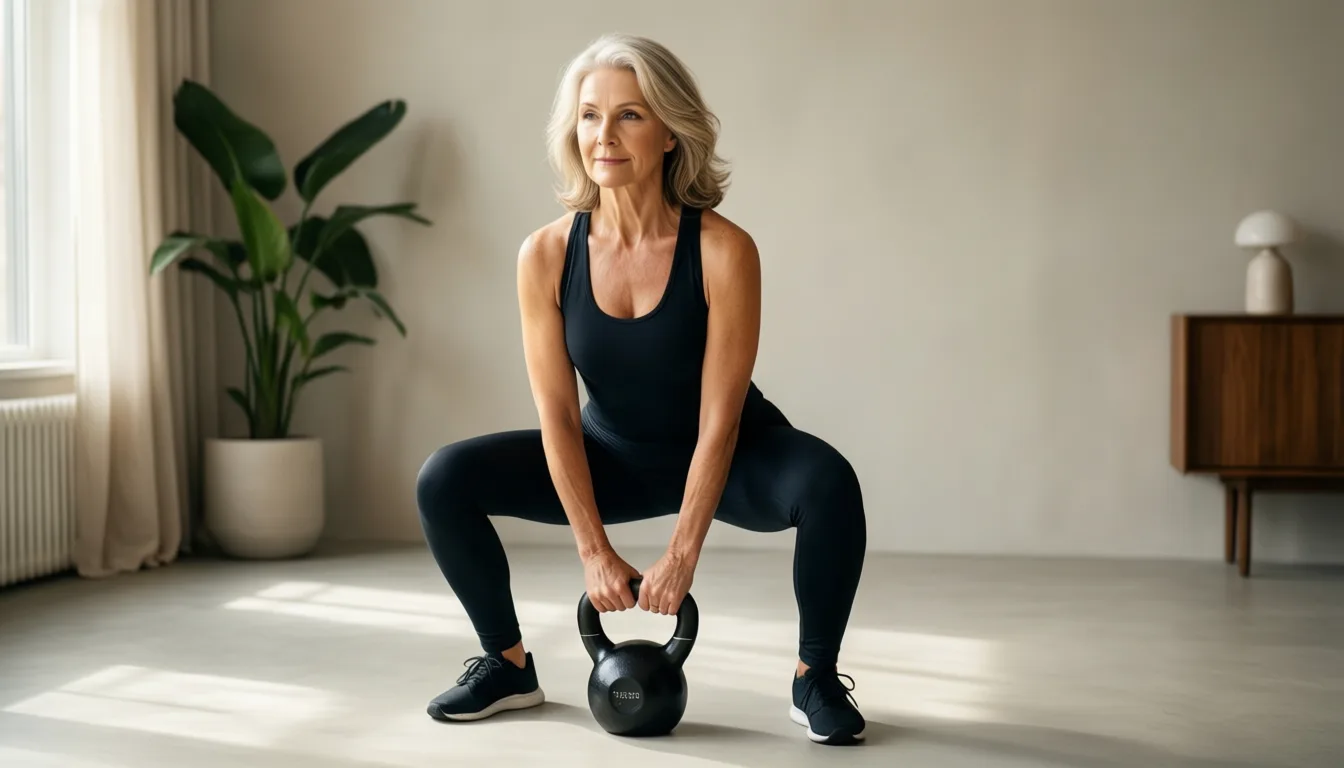
Compound, loaded movement — squats, rows, presses, carries — is what the research is ultimately gesturing at when it points to grip as a marker.
How to read this honestly
The temptation in our corner of the internet is to flatten findings like this into a directive: lift, or else. Resist it. The SHARE paper is one wave of one cohort, measured at a single point in time, in a population skewed older than most looksmaxing readers. It cannot tell anyone what dose of training is protective, which lifts matter most, or how the picture changes during active treatment versus survivorship.
What it can do — and what makes it worth your attention — is reinforce a thesis the strongest evidence base has been building for years: that the muscle you carry into your fifties, sixties, and beyond is doing more than holding up your posture. It may be quietly shaping how resilient your mood is when life delivers a diagnosis. That's a reason to train consistently now, not a reason to train harder than your recovery allows, and certainly not a reason to chase a grip number on a device.
The premium move, as ever, is the patient one: progressive overload, sleep that supports it, protein that fuels it, and a clinician in the loop when the medical stakes are real.
Frequently asked questions
What did the study actually find about grip strength and cancer?
Researchers analyzed 41,666 older adults from the Survey of Health, Aging, and Retirement in Europe and found that grip strength meaningfully moderated the relationship between a cancer diagnosis and depressive symptoms. In plain terms, stronger people on average appeared to absorb the psychological impact of cancer better than weaker ones, reporting fewer depressive symptoms on the EURO-D 12-item scale.
Does this mean building more muscle will prevent depression if I get cancer?
No — the study cannot make that claim. It was a cross-sectional snapshot, meaning it shows that strength and mood track together in the presence of cancer, but it cannot prove that getting stronger prevents depression. The authors also note that the moderation coefficients were small and the female confidence interval brushed against zero.
What are the grip strength thresholds mentioned, and should I try to hit them with a hand-gripper?
The study identified thresholds of roughly 55.3 kg for men and 39.4 kg for women, below which the buffering effect appeared to operate. The article is clear that these numbers are a proxy for whole-body strength capacity in an older population, not a target to chase with a hand-gripper — grip is simply the measurement that fits easily in a clinical setting.
Why do researchers use grip strength instead of measuring overall fitness?
Grip strength is used because it is quick and reliable in a clinical setting, but the article explains it stands in for the whole muscular system. The underlying variable researchers are really pointing to is how much usable muscle a person has built and maintained.
What kind of exercise does the research actually gesture toward?
The article states that compound, loaded movements — squats, rows, presses, and carries — are what the research is ultimately pointing at when it uses grip as a marker. It frames strength training as infrastructure to build before a medical stressor arrives, not something to chase harder than recovery allows.
Sources
- Moderating Effect of Muscular Strength in the Association Between Cancer and Depressive Symptomatology. — Healthcare (Basel, Switzerland)
Join the conversation
Comments are moderated and reviewed before they appear. Be constructive — this is health information.
Add your comment