Longevity
Aging Clocks Go Multi-Omics: The Next Generation of Biological Age Tests
Epigenetic age tests were just the prototype. A new wave of clocks stitches together DNA, proteins, metabolites, and microbes — and AI is the thread.
Press Enter to search · Esc to close
Epigenetic age tests were just the prototype. A new wave of clocks stitches together DNA, proteins, metabolites, and microbes — and AI is the thread.

A large UK Biobank analysis turns the abstract idea of cumulative physiological stress into a measurable signal — and links it, dose by dose, to how long we live.
A new review proposes cognitive aging unfolds as a decades-long sequence — and that a midlife branch point may be the window where intervention matters most.

A small but methodologically rigorous crossover trial measured how well young and older adults extract amino acids from milk, sorghum, and black beans — and the answer depends on the food.
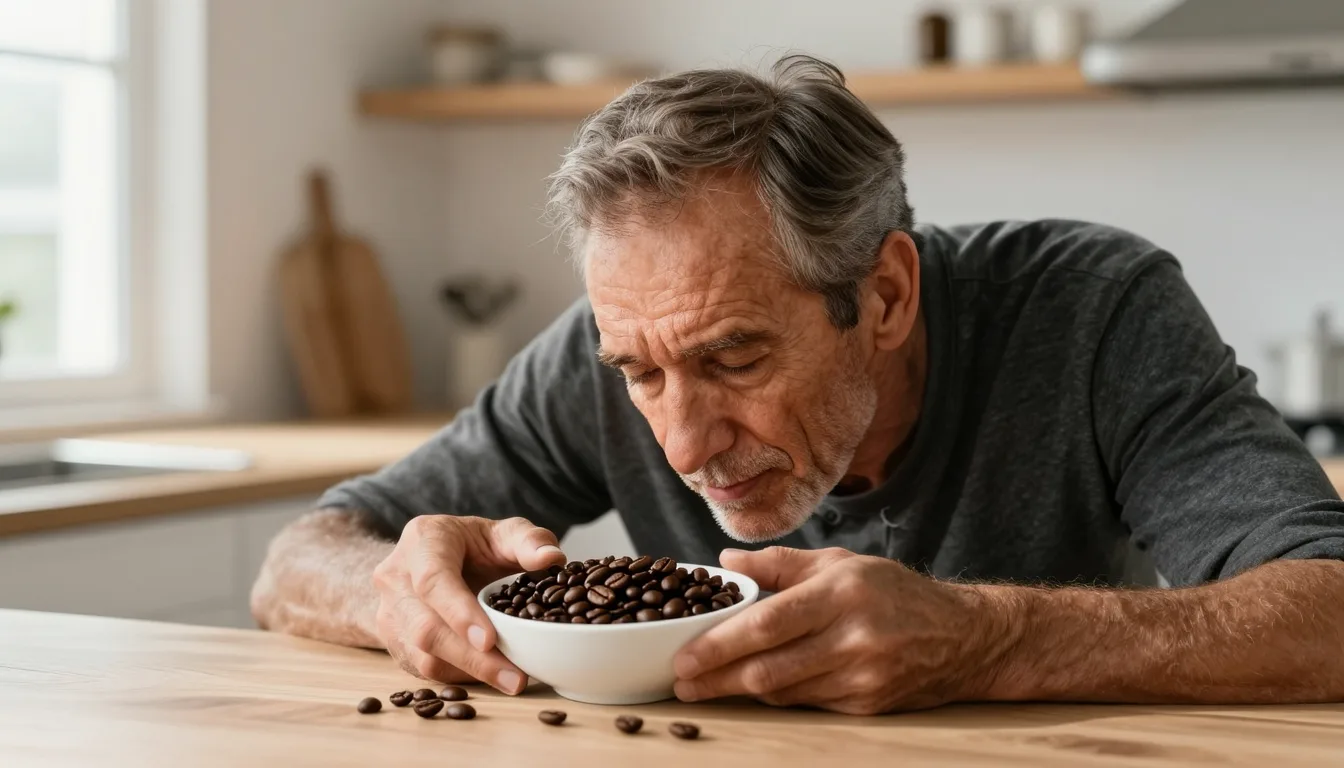
A long-running U.S. cohort study links weaker odor identification in older adults with later losses in balance, gait and grip — strengthening the case for smell as a low-cost biomarker of aging.

Two 2026 studies move the Med-Diet story from epidemiology toward mechanism, pointing to mitochondrial microproteins and a reshaped gut microbiota as plausible reasons the pattern protects the heart and brain.

A long-running German study finds that how old you feel tracks how your brain performs over time — at both the population and personal level. The signal is modest, but it's persistent.

A new Nature Medicine review argues that resilience — biological, psychological, social — is a measurable modifier of brain aging, and that studying it only in wealthy countries leaves real protection on the table.

New research in young adults links long-term obesity to measurable biological aging — and points to metabolism as the load-bearing pillar of longevity.

A 15,000-person cohort sharpens which fats in your bloodstream travel with healthspan — not just the years, but the years lived free of major disease.