The GLP-1 Era Matures: Oral Pills, Surgery Timing, and an Addiction Crossover
New real-world data is shifting the GLP-1 conversation from 'does it work' to 'how to use it without getting hurt.' Here's what the latest evidence actually says.
The GLP-1 conversation has changed. A couple of years ago every headline was the same headline: a peptide-class drug that made people lose weight at rates the obesity field had stopped expecting. That story is still true, but it is no longer the only one. In the past few weeks alone, four separate strands of evidence have pushed the field somewhere more interesting — and more nuanced. We now have real-world dose-escalation data from a 500-patient Turkish cohort, fresh practical guidance on the oral version of semaglutide, a surgical study on when to stop the drug before abdominoplasty, and an exploratory signal that GLP-1 and GIP receptor agonists might intersect with addiction medicine. The era of does it work is closing. The era of how do we use this thing well is opening.
- Dose matters, but so does tolerance. In a Turkish real-world cohort, higher semaglutide doses drove bigger HbA1c drops — but nearly a quarter of patients didn't finish the study.
- The pill is real. Oral semaglutide is approved for obesity and reportedly delivers weight loss comparable to the injection — if you can stick to its strict empty-stomach ritual.
- Surgery timing is not a footnote. Continuing semaglutide right up to abdominoplasty was linked to a 45% complication rate; a 4-week washout brought that down to control levels.
- The addiction signal is early. In dual opioid + alcohol use disorder, GIP/GLP-1 prescriptions were associated with lower overdose risk in one subgroup — exploratory, not a green light.
- The framing has shifted. This is now a class of drugs to be managed, not just prescribed.
What the dose-escalation data actually shows
Start with the cleanest of the four findings. The SEMA-TR study followed 500 adults with type 2 diabetes in the Çukurova region of Türkiye who initiated semaglutide between 2024 and 2025, grouped by the maximum dose they tolerated: 0.25 mg, 0.50 mg, or 1.00 mg. Over 30 weeks, the overall mean HbA1c reduction was 1.03 percentage points — a meaningful drop in a real clinic, not a tightly controlled trial. The dose-response was clean: roughly 0.72, 1.02, and 1.27 percentage points across the three groups, with insulin-dose reductions becoming more frequent as patients climbed the ladder (40%, 41%, and 51%).
That is the part that will get quoted. The part that should get quoted alongside it: 117 of the 500 patients — 23.4% — discontinued therapy. Real-world means real attrition. Gym-floor translation: the people who tolerate the climb to the higher doses get bigger results, but a non-trivial slice never gets there. The dose is doing work. So is patient selection.
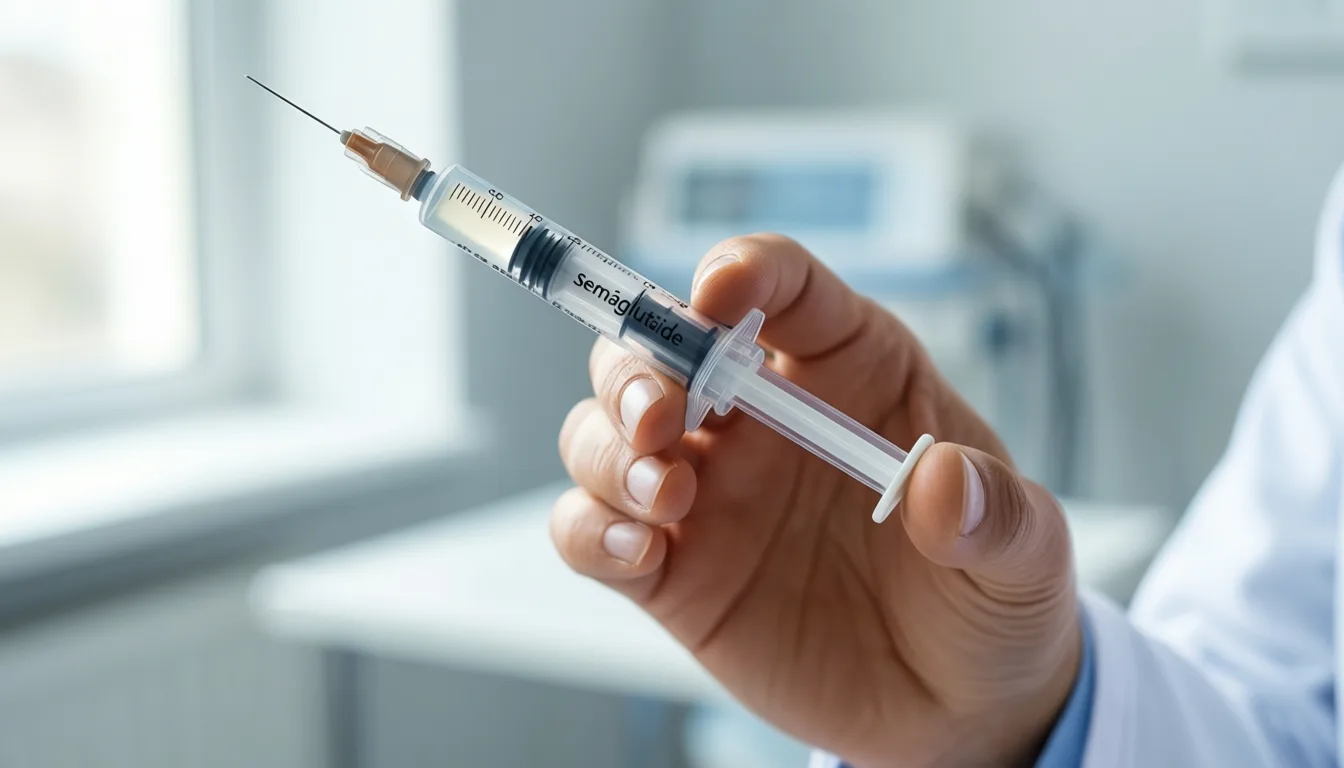
Dose escalation isn't a formality — the SEMA-TR data suggests the climb is where most of the metabolic benefit lives.
The pill is real — but the ritual is non-negotiable
Oral semaglutide was the first oral GLP-1 receptor agonist approved for type 2 diabetes, and the new evidence-informed clinical guidance from Rubino and colleagues walks through its expanded role in obesity management and cardiovascular risk reduction. The authors describe weight loss comparable to subcutaneous GLP-1 therapies, alongside improvements in cardiometabolic risk factors. That is the headline. The fine print is the administration protocol, and it is genuinely strict.
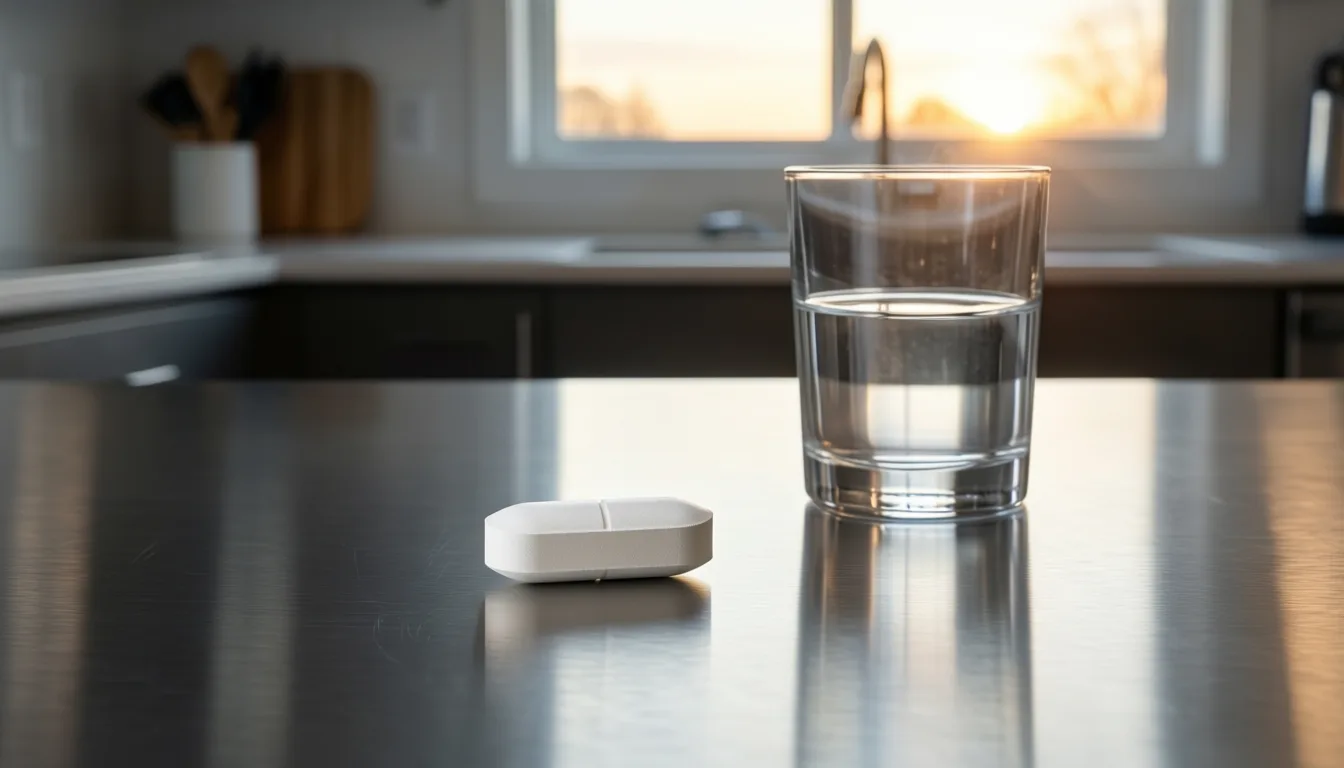
To absorb properly, oral semaglutide has to be taken first thing in the morning, on an empty stomach, with no more than half a glass of plain water — up to 120 mL, roughly four fluid ounces — and then nothing else for 30 minutes. No food, no coffee, no other pills, no protein shake on the way to the gym. The guidance leans hard on person-centered conversations before initiation: realistic expectations, adverse-event preparation, and an honest look at whether a patient's morning routine can actually accommodate the protocol. The pill is real. The discipline it demands is real too.
The era of 'does it work' is closing. The era of 'how do we use this thing well' is opening.
Surgery, timing, and a number that should make you pause
If you or someone in your training group is on a GLP-1 and considering a body-contouring procedure after weight loss, the retrospective study by Agostino and colleagues is the one to read. Eighty patients undergoing primary lipoabdominoplasty were divided into four matched groups: semaglutide continued until surgery, two-week discontinuation, four-week discontinuation, and semaglutide-naïve controls. Thirty-day complication rates told a steep story — 45% in the continuation group, 30% at two weeks, 10% at four weeks, and 10% in the controls. The reported complications included wound dehiscence, infection, and seroma formation, with more gastrointestinal intolerance and longer drain duration in patients with ongoing semaglutide use. No reoperations or readmissions occurred.
This is a single retrospective study of 80 patients at one institution — not a verdict. But the gradient is hard to ignore, and it lines up with the broader peri-operative concern about delayed gastric emptying on GLP-1 therapy. The practical read: anyone with semaglutide on board and elective surgery on the calendar needs that conversation with their surgeon and prescriber early, not the week before.

The peri-operative window is becoming one of the most important — and least discussed — chapters of the GLP-1 story.
The addiction crossover: interesting, early, not a prescription
The fourth strand is the most speculative and the most fascinating. An exploratory retrospective cohort study by Qeadan and colleagues, drawing on de-identified records from 149 U.S. health systems between 2014 and 2024, looked at 107,217 patients aged 12 and older with co-occurring opioid and alcohol use disorders. Using marginal structural survival models with stabilized inverse probability weighting, the authors estimated that GIP/GLP-1 receptor agonist prescriptions were associated with a lower risk of all-drug overdose among patients not receiving first-line medications for opioid or alcohol use disorder — an adjusted hazard ratio of 0.61 (95% CI 0.32–0.98).
Read that sentence twice. It is an exploratory association in a stratified subgroup of a retrospective EHR cohort. The authors frame it that way deliberately. It is not evidence that GLP-1s treat addiction, and it should not be used to justify off-label prescribing. What it is: a signal worth following with prospective work, in a clinical area — co-occurring substance use disorders — where existing medications are chronically underused. File it under watch this space.
Reader questions, answered honestly
Frequently asked questions
Is the oral version of semaglutide as effective as the injection?
The new clinical guidance describes weight loss comparable to subcutaneous GLP-1 therapies, alongside improvements in cardiometabolic risk factors — but only if the strict empty-stomach, half-glass-of-water, wait-30-minutes protocol is followed. Absorption depends on it.
Do I really need to climb to the highest dose to get benefit?
Not necessarily. The SEMA-TR real-world cohort showed meaningful HbA1c reductions even at the 0.25 mg dose, but the largest reductions and the highest rates of insulin-dose cuts occurred in the 1.00 mg group. Dose response is real; tolerance is individual.
How long before surgery should semaglutide be stopped?
This is a decision for your surgeon and prescriber, not a magazine. That said, in the abdominoplasty study, a four-week discontinuation was associated with complication rates equivalent to semaglutide-naïve controls, while continuing the drug until surgery was associated with a 45% complication rate.
Can GLP-1 medications help with addiction?
It is too early to say. One exploratory retrospective cohort found GIP/GLP-1 prescriptions associated with lower all-drug overdose risk in a specific subgroup of patients with co-occurring opioid and alcohol use disorders. That is a signal worth studying, not a treatment recommendation.
What's the realistic dropout rate on semaglutide?
In the Turkish real-world cohort, 23.4% of patients discontinued therapy over 30 weeks. Real-world adherence is lower than trial adherence — something to factor in honestly before starting.
Where this leaves a smart lifter
The throughline across all four studies is the same: this drug class works, and it has edges. The edges are where the next two years of evidence are going to live — dosing strategy, formulation choice, peri-operative protocols, and the genuinely novel question of whether GLP-1 biology touches reward circuitry in ways that matter clinically. None of that requires hype to be interesting. It just requires reading carefully. If you are a candidate for one of these medications, the conversation to have with your clinician in 2026 is not should I try this. It is how do we use it well, and for how long, and what's the off-ramp. That is what a mature drug class looks like.
Sources
- Evaluation of the Efficacy of Semaglutide Dose Escalation in Reducing HbA1c Levels and Insulin Dose in Type 2 Diabetes Patients: Real-World Semaglutide Data from Türkiye, SEMA-TR Study. — Journal of clinical medicine
- Evidence-informed guidance for the clinical use of oral semaglutide in obesity management. — Postgraduate medicine
- Impact of Preoperative Semaglutide Discontinuation Timing on Postoperative Outcomes in Aesthetic Abdominoplasty: A Retrospective Comparative Study. — Aesthetic plastic surgery
- Exploratory associations between co-occurring opioid and alcohol use disorders and GIP/GLP-1 receptor agonist treatment. — Communications medicine
Join the conversation
Comments are moderated and reviewed before they appear. Be constructive — this is health information.
Add your comment