
Dana Reyes
Features Writer
Women 35–50 dealing with perimenopause, weight, hormones and stress
Dana Reyes writes features on the real science of perimenopause, metabolism and stress for women juggling everything at once. She specializes in separating what the evidence supports from what's just good marketing.
Latest articles

Eat Less, Eat Later: What New Research on Caloric Restriction and Time-Restricted Eating Means for the Aging Heart
Two 2025 papers connect how we eat — and when — to the metabolic stress pathways behind a stubborn form of heart failure. The science is promising, the certainty is not.
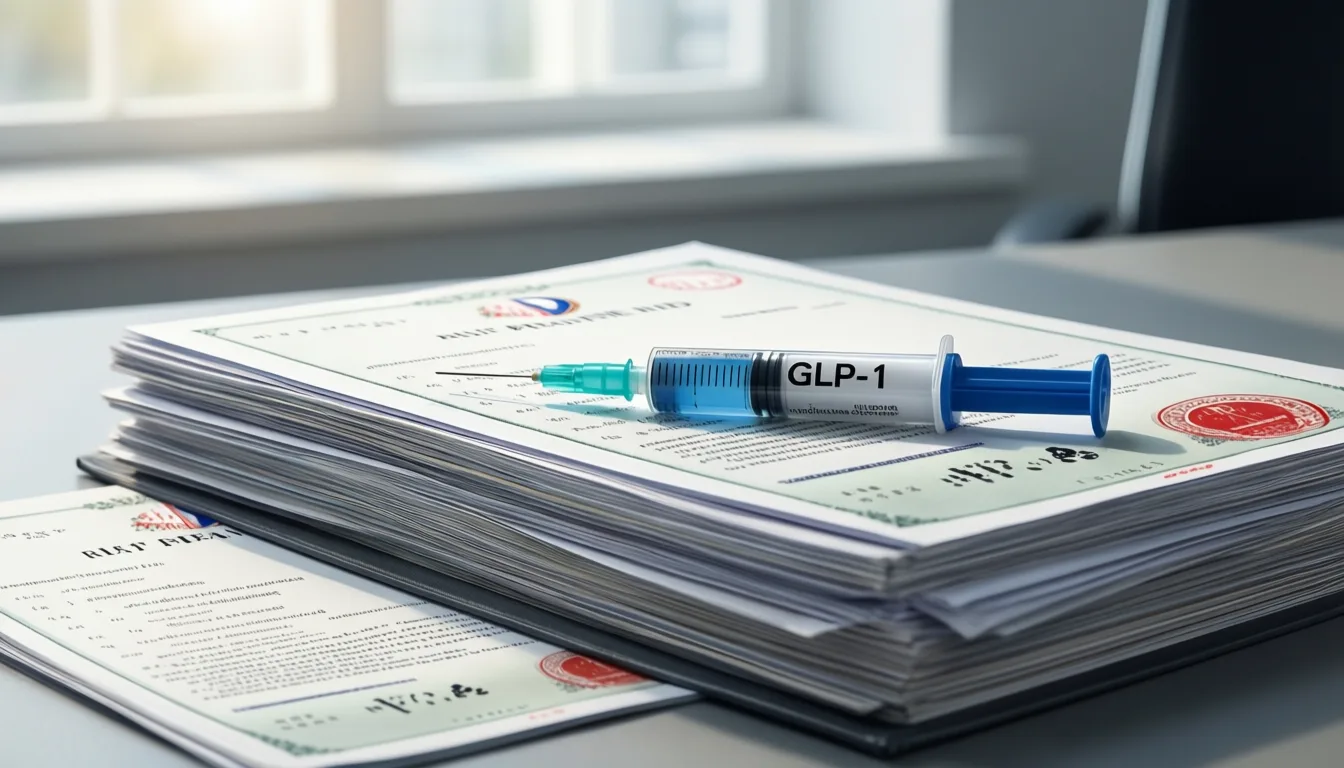
Patents, Product Hops, and the Coming GLP-1 Affordability Cliff
A new legal analysis warns that the same patent playbook that kept inhalers expensive for decades is now being run on GLP-1 drugs — just as millions of women are lining up for them.
Beyond Semaglutide: The Next Wave of GLP-1 Drugs Targets the Heart, Kidneys, and Joints
The shots that started as diabetes medicine and became weight-loss icons are quietly rewriting their own job description. The 2025 evidence points to a multi-organ story — with caveats worth knowing.
Beyond Appetite: How GLP-1 Drugs Are Quietly Rewiring the Brain, Kidney, and Gut
The shots that started as diabetes drugs and exploded as weight-loss icons are turning out to do a lot more than mute hunger. New research traces their fingerprints across the hindbrain, the kidney's salt switches, and the hormone that tells you it's lunchtime.
GLP-1s and Suicidality: The Largest UK Cohort Yet Finds No Added Risk
A new BMJ study using UK primary care data compared GLP-1 users head-to-head with other diabetes drugs — and the suicide-risk signal regulators have been chasing didn't show up.

Beyond GLP-1: Why the New Obesity Science Is About Your Fat, Not Your Scale
Three new reviews argue we've been measuring the wrong thing. The real target isn't weight — it's the adipose tissue quietly running your metabolism.

GLP-1 Plus SGLT2: The Combination Case for Heart and Kidney Protection
A new meta-analysis confirms GLP-1 drugs protect the heart and kidneys. Real-world data suggests pairing them with SGLT2 inhibitors may compound the benefit — with caveats worth understanding.
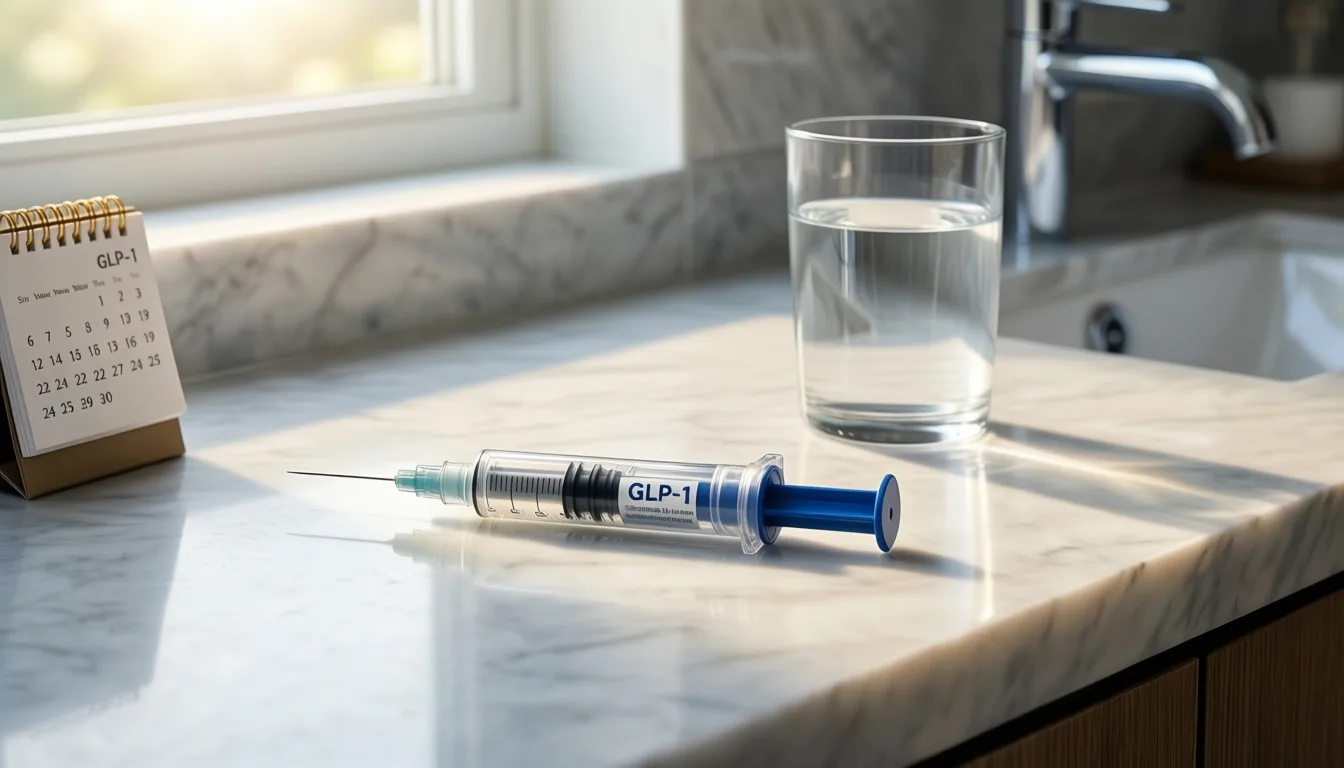
What Happens When You Stop Your GLP-1: The Rebound Data
A real-world analysis tied to the dulaglutide shortage put concrete numbers on what happens to blood sugar in the three months after stopping. The picture is sobering — and worth bringing to your doctor.