
In This Issue
Metabolic Health
-
 Insulin Resistance as a Brain Disease: The Metabolic Road to Alzheimer's
A new review reframes Alzheimer's risk around peripheral insulin resistance — not blood sugar itself — and points to tiny cellular couriers as possible carriers of metabolic damage to the brain.
Insulin Resistance as a Brain Disease: The Metabolic Road to Alzheimer's
A new review reframes Alzheimer's risk around peripheral insulin resistance — not blood sugar itself — and points to tiny cellular couriers as possible carriers of metabolic damage to the brain.
-
 The Metabolic-Brain Axis: Why Diabetes Drugs Are Being Tested Against Alzheimer's and Heart Disease
Early science suggests the metabolic chaos behind type 2 diabetes may also drive memory loss and silent artery damage — and that treating one upstream signal could ripple downstream.
The Metabolic-Brain Axis: Why Diabetes Drugs Are Being Tested Against Alzheimer's and Heart Disease
Early science suggests the metabolic chaos behind type 2 diabetes may also drive memory loss and silent artery damage — and that treating one upstream signal could ripple downstream.


Insulin Resistance as a Brain Disease: The Metabolic Road to Alzheimer's
A new review reframes Alzheimer's risk around peripheral insulin resistance — not blood sugar itself — and points to tiny cellular couriers as possible carriers of metabolic damage to the brain.
For decades, the conversation about Alzheimer's risk has orbited a single villain — amyloid β, the sticky protein that clumps between neurons. The conversation about type 2 diabetes, meanwhile, has orbited another: blood sugar. A new review in Geriatrics & Gerontology International suggests both conversations may have been looking past the more important number on the chart. Its argument is direct: the metabolic feature most tightly linked to Alzheimer's disease is not hyperglycemia, but peripheral insulin resistance — the body's quiet, years-long loss of sensitivity to its own insulin signal.
- The metabolic culprit may not be sugar. A 2026 review argues insulin resistance, more than high glucose, is the principal link between type 2 diabetes and Alzheimer's.
- Amyloid arrives earlier. Population studies tie insulin resistance to earlier amyloid β accumulation in the brain.
- Amyloid alone doesn't explain it. Cognitive decline in insulin-resistant individuals exceeds what amyloid burden predicts, implying other pathways.
- The brain's own insulin signaling looks largely intact. In people with type 2 diabetes, central insulin responsiveness is often preserved — pointing the finger outward, to the periphery.
- Extracellular vesicles are a leading suspect. Tiny cell-released couriers may ferry bioactive molecules from metabolically stressed tissues to the brain.
- Midlife is the window. Treating insulin resistance years before symptoms appear may be one of the most realistic forms of cognitive protection available today.
A reframing, not a revolution
The link between type 2 diabetes and Alzheimer's disease is one of the more durable findings in modern epidemiology. People with T2DM are at meaningfully higher risk of developing AD, and they tend to develop it earlier. What has been harder to pin down is which feature of diabetes is doing the damage — the chronically elevated glucose, the failing insulin signal, or some companion of both.
The new review, led by Naotaka Izuo and colleagues, lands on the second. Drawing on population-based longitudinal cohorts and a parallel body of animal work, the authors argue that insulin resistance, rather than hyperglycemia per se, is the principal metabolic factor associated with AD development. That distinction matters because it shifts the target of prevention. Glucose can look reassuring on a lab report while insulin sensitivity is quietly eroding underneath — and it is the erosion, not the eventual spike, that appears to track most closely with brain change.
Glucose can look reassuring on a lab report while insulin sensitivity quietly erodes underneath. It is the erosion that appears to track most closely with brain change.
What the human data show
Two findings from the human side of the review are worth sitting with. First, insulin resistance is strongly linked to earlier amyloid β accumulation in longitudinal cohorts — meaning the brain's hallmark protein deposits appear sooner in people whose metabolism has lost its grip on insulin signaling. Second, the relationship with tau, the other signature protein of Alzheimer's pathology, is less consistent. The review describes the tau association as inconsistent across studies, which is a useful corrective against any tidy single-pathway story.
The more provocative observation is what amyloid doesn't explain. The authors note that insulin resistance-related cognitive decline and earlier disease onset cannot be fully explained by the extent of Aβ deposition alone. In plain language: insulin-resistant brains seem to lose function faster than their plaque burden predicts. Something else is happening alongside the amyloid story — and the review reads that gap as an invitation to look at additional pathogenic pathways rather than as a problem to be tidied away.

Amyloid arrives earlier in insulin-resistant brains, but cognitive decline outpaces what plaque burden alone would predict.
The clue from the central nervous system
If insulin resistance drives the link, you might expect to find the brain's own insulin response broken in people with type 2 diabetes. The review suggests the picture is more interesting than that. Clinical observations cited by the authors show preserved central insulin responsiveness in individuals with type 2 diabetes. Animal work points the same direction: genetic models of systemic insulin resistance produce impairments in cognition, cerebral blood flow regulation and emotional behavior that look distinct from what you see when you disrupt insulin signaling only in the brain.
Taken together, these threads push the locus of the problem outward. The brain is not necessarily losing its ability to hear insulin. The damage looks like it is being delivered to the brain from elsewhere in the body — from the muscle, liver and adipose tissue where insulin resistance lives. The review frames this as evidence that peripheral insulin resistance is itself a key contributor to brain vulnerability in AD.
The courier hypothesis
How exactly does a metabolic problem in the periphery reach into the brain? The review's most speculative — and most interesting — section turns to extracellular vesicles, the nanoscale membrane-bound parcels that cells release into circulation carrying proteins, lipids and RNA. The authors describe emerging evidence that extracellular vesicles may act as a possible mediator of peripheral-central communication, conveying bioactive molecules across tissues.
This is a hypothesis, not a verdict. The language the review uses — emerging, possible mediator — is the right register, and worth preserving here. But it is a hypothesis with explanatory power: it offers a plausible route by which a liver or muscle that has lost insulin sensitivity could, over years, change the biochemical climate of a brain that still hears insulin perfectly well.
The damage looks like it is being delivered to the brain from elsewhere in the body.

Extracellular vesicles — tiny membrane-bound parcels released by cells — are the review's proposed courier between a metabolically stressed body and a vulnerable brain.
What this means for readers in midlife
For an audience already paying attention to metabolic health — many of whom are on or considering GLP-1 therapy — the practical takeaway is less about a new intervention and more about a sharpened reason for the ones already on the table. If the review's framing holds, the years in which insulin sensitivity is drifting downward, often silently, are the years in which the conditions for amyloid accumulation may be quietly being set. That puts a different weight on midlife conversations about visceral fat, sleep, resistance training and glycemic load: not as vanity projects, but as cognitive ones.
It also reframes what a clinician might usefully measure. Fasting glucose and HbA1c can lag the underlying problem; insulin resistance, captured through measures like fasting insulin and HOMA-IR, can drift for years inside a 'normal' glucose range. None of that is a treatment plan — and the review explicitly does not offer one. But it is a reason to ask sharper questions at your next appointment, and to treat metabolic health less as a body-composition issue and more as a long-game neurological one.
The bottom line
The review does not claim to have rewritten Alzheimer's disease. It claims something narrower and, in some ways, more useful: that the metabolic story behind AD is better told in the language of insulin sensitivity than in the language of glucose, and that the line between a metabolically stressed body and a vulnerable brain may run through couriers we are only beginning to understand. For readers thinking about the next thirty years of their cognitive life, that is a worthwhile reframing — and a worthwhile conversation to bring to a doctor who knows your full picture.
Frequently asked questions
Why do researchers think insulin resistance matters more than high blood sugar for Alzheimer's risk?
A 2026 review argues that insulin resistance, rather than chronically elevated glucose, is the principal metabolic factor associated with Alzheimer's disease development. Glucose can look reassuring on a lab report while insulin sensitivity is quietly eroding underneath, and it is that erosion — not the eventual blood sugar spike — that appears to track most closely with brain change.
If insulin resistance starts in the body's muscles and liver, how does it affect the brain?
Clinical observations cited in the review show that the brain's own insulin responsiveness is often preserved in people with type 2 diabetes, meaning the damage appears to be delivered to the brain from elsewhere in the body. Extracellular vesicles — tiny membrane-bound parcels that cells release into circulation carrying proteins, lipids, and RNA — are proposed as a possible courier conveying bioactive molecules from metabolically stressed peripheral tissues to the brain.
Does amyloid fully explain the cognitive decline seen in insulin-resistant individuals?
No. The review notes that insulin resistance-related cognitive decline and earlier disease onset cannot be fully explained by the extent of amyloid β deposition alone, meaning insulin-resistant brains appear to lose function faster than their plaque burden predicts. The authors treat this gap as an indication that additional pathogenic pathways are at work alongside the amyloid story.
Is the link between insulin resistance and tau — the other hallmark protein of Alzheimer's — as strong as the link with amyloid?
No, the review describes the association between insulin resistance and tau as inconsistent across studies, in contrast to the stronger and more consistent link with earlier amyloid β accumulation.
Why does the article emphasize midlife as a critical window for metabolic health and brain protection?
The review suggests that the years in which insulin sensitivity is drifting downward — often silently — may be the years in which conditions for amyloid accumulation are quietly being set. The article also notes that fasting glucose and HbA1c can lag the underlying problem, with insulin resistance potentially drifting for years within a normal glucose range, making midlife metabolic attention especially relevant.
Sources
- Peripheral Insulin Resistance and Alzheimer's Disease: Possible Mediators Including Extracellular Vesicles. — Geriatrics & gerontology international

What GLP-1s Actually Do to Your Body: Weight, Muscle, and the Surgical Asterisk
Three new clinical analyses cut through the semaglutide and tirzepatide hype — quantifying real-world weight loss at one year, the muscle question lifters keep asking, and what happens when patients head into the OR.
Walk into any commercial gym in 2026 and you'll hear the same conversation in the squat rack queue: who's on it, who's thinking about it, and whether the guy who dropped 40 pounds in six months is still hitting his lifts. GLP-1 receptor agonists — semaglutide, tirzepatide, the whole incretin family — have escaped the endocrinology clinic and colonized the cultural mainstream. The hype is loud. The data is finally catching up. And for anyone who actually reads the meta-analyses before clicking 'add to cart,' three new clinical analyses sharpen the practical picture: how much weight people really lose at one year, what these drugs do to the muscle you've spent years building, and what they mean if you're heading into surgery.
- Real-world 1-year weight loss is meaningful but messier than the trial brochures suggest — the SHAPE cohort followed nearly 10,000 non-diabetic patients on semaglutide 2.4 mg or tirzepatide.
- Body composition is the catch. Incretin therapies drive substantial fat loss, but a narrative review flags lean-mass loss and sarcopenia risk as the open question for active populations.
- Surgical context matters. A 10-year retrospective on perioperative GLP-1 use in panniculectomy patients found higher baseline comorbidity in users — and an unresolved safety picture clinicians are still adjudicating.
- Evidence rating: Moderate. Real-world cohorts and narrative reviews are useful, but they're not randomized head-to-heads. Read the asterisks.
- This is reporting, not a prescription. If you're considering one of these drugs — especially around training or surgery — that conversation belongs with a clinician who knows your chart.
The one-year scoreboard
Here's what the gym-floor swagger gets wrong: most of the eye-popping weight-loss numbers people quote come from tightly controlled trials with selected patients and aggressive titration support. The real world is sloppier. People miss doses. Supply gaps happen. Side effects bench people for weeks.
The SHAPE retrospective cohort pulled US claims data on 9,916 adults with overweight or obesity and without type 2 diabetes who started semaglutide 2.4 mg (n=6,794) or tirzepatide (n=3,122) between June 2021 and December 2023. Every patient had continuous enrollment for a year before and a year after starting, plus persistence on therapy with no gap longer than 30 days. That last filter is the important one — these aren't tourists, they're patients who actually stayed on the drug.
Baseline, the two groups looked nearly identical: mean age in the high 40s, roughly 78–80% female, mean starting weight around 104.5–104.9 kg. The takeaway for our audience isn't a single percentage to brag about — it's that a year of consistent use, in people who looked a lot like the trial populations, produced meaningful weight reduction in both arms outside the clinical-trial bubble. That's the part the hype usually skips and the part that actually matters when you're deciding whether a drug fits your life.

Real-world cohorts capture what trials can't: the missed doses, the side-effect weeks, the life that happens around a prescription.
The real-world question isn't 'does it work in a trial?' It's 'does it work in a life?'
The muscle question
This is the one that keeps coming up in DMs: if I lose 20% of my body weight, how much of that is the physique I built? A 2025 narrative review in Medicina tried to answer it head-on, synthesizing a decade of literature (January 2015–March 2025) on how blood-glucose-lowering therapies — GLP-1 receptor agonists, SGLT2 inhibitors, and dual agonists like tirzepatide — reshape lean body mass, fat mass, and sarcopenia risk in type 2 diabetes patients.
The authors' framing is the part lifters should sit with: managing metabolic disease isn't just about the number on the scale. Sarcopenia and visceral adiposity drive bad outcomes independently of weight, and the newer incretin-based therapies and dual agonists need an updated synthesis precisely because their effects on body composition aren't the same as older drugs.
Two caveats before anyone screenshots this. First, it's a narrative review, not a meta-analysis — useful for mapping the terrain, less useful for precise effect sizes. Second, the population is type 2 diabetics, not healthy resistance-trained adults dieting for aesthetics. Extrapolating from one to the other is exactly the kind of move that gets called out in the comments. The mechanism conversation is legitimate; the 'so this means for your cut…' leap is not.
The surgical asterisk

The perioperative window is where GLP-1 questions get sharpest — and where the evidence is still being written.
If you or someone in your life is on a GLP-1 and scheduled for surgery, this is the section to read twice. A 10-year retrospective in Plastic and Reconstructive Surgery reviewed 373 patients who underwent non-bariatric abdominal panniculectomy between January 2013 and January 2023 — 81 GLP-1 receptor agonist users and 292 non-users. Patients with previous bariatric surgery or concomitant hernia repair were excluded to keep the wound-healing analysis clean.
The headline finding before you even get to complications: the GLP-1 users were sicker at baseline. They had significantly higher rates of type 2 diabetes (55.6% vs. 29.5%), hypertension (69.1% vs. 52.7%), and chronic obstructive pulmonary disease (17.3% vs. 6.5%), along with elevated prealbumin (22.8 ± 6.6 vs. 20.4 ± 7.7 mg/dL). Translation: this isn't a clean apples-to-apples comparison, and the authors ran logistic regression to adjust for confounders for exactly that reason.
The authors' broader point matters more than any single complication rate. GLP-1 receptor agonists may alter tissue quality and intensify drug-related side effects in the perioperative window — and their safety in acute surgical settings remains unclear. That's a working clinician writing in 2025, not a hot take. The implication for readers: if you're on one of these drugs and going under, that's a conversation to have with both your prescriber and your surgeon, well before the morning of.
Perioperative safety in acute surgical settings remains unclear — and that uncertainty is the news.
How to read this if you're considering one
Three studies, three different lanes, one consistent message: GLP-1 receptor agonists are a real tool with real effects, and the evidence base is finally maturing past the press-release phase. Weight loss at one year, in patients who actually stay on therapy, is meaningful. Body composition effects — especially the lean-mass conversation — are real enough that the review literature is calling for updated synthesis, not real enough to support confident claims about what happens to a trained lifter on a cut. Perioperative safety is an active question, not a settled one.
For our audience, the honest read is this. If a GLP-1 fits your medical picture and your clinician agrees, the one-year real-world data is encouraging. If you're training hard, the muscle question deserves a real conversation about protein, resistance work, and monitoring — not a shrug. And if surgery is on the calendar, the perioperative literature is moving fast enough that last year's advice may already be stale. Ask. Then ask again.
The hype cycle wants a verdict. The data, for now, wants a conversation.
- Real-world ≠ trial. SHAPE captures patients who stayed on therapy for a year — a meaningful but selected slice.
- Body comp is the next frontier. The narrative review flags lean mass and sarcopenia as the open questions across incretin and dual-agonist therapies.
- Surgical timing deserves a real conversation. Perioperative safety in non-bariatric surgery remains unsettled per the 10-year retrospective.
- Population matters. Most body-composition data is in T2D patients, not trained adults — don't over-extrapolate.
- Talk to a clinician. Especially before starting, stopping, or pausing around surgery.
Frequently asked questions
How do real-world GLP-1 weight-loss results compare to what's reported in clinical trials?
Clinical trials use tightly controlled conditions with selected patients and aggressive titration support, while the real world involves missed doses, supply gaps, and side effects that can interrupt treatment for weeks. The SHAPE cohort, which required patients to stay on therapy with no gap longer than 30 days, found that a year of consistent use still produced meaningful weight reduction outside the clinical-trial setting.
Who was included in the SHAPE cohort study?
The SHAPE cohort drew on US claims data covering 9,916 adults with overweight or obesity who did not have type 2 diabetes and who started semaglutide 2.4 mg or tirzepatide between June 2021 and December 2023. Every patient had continuous enrollment for a year before and after starting the drug, with no gap in therapy longer than 30 days.
Do GLP-1 receptor agonists cause muscle loss?
A 2025 narrative review in Medicina identified lean-mass loss and sarcopenia risk as a recurring concern across glucose-lowering therapies including GLP-1 receptor agonists. The review synthesized a decade of literature but focused on type 2 diabetes patients, not healthy resistance-trained adults, so extrapolating its findings to other populations requires caution.
What did the panniculectomy study find about GLP-1 users heading into surgery?
The 10-year retrospective of 373 panniculectomy patients found that GLP-1 users were significantly sicker at baseline, with higher rates of type 2 diabetes, hypertension, and chronic obstructive pulmonary disease compared to non-users. The authors noted that GLP-1 receptor agonists may alter tissue quality and intensify drug-related side effects in the perioperative window, and that their safety in acute surgical settings remains unclear.
What should someone on a GLP-1 drug do before a scheduled surgery?
According to the article, anyone on a GLP-1 receptor agonist who is scheduled for surgery should raise the topic with both their prescriber and their surgeon well before the morning of the procedure. The article frames this as an open and unresolved safety question, not a settled one.
Sources
- Real-World Weight Loss Observed With Semaglutide and Tirzepatide in Patients with Overweight or Obesity and Without Type 2 Diabetes (SHAPE). — Advances in therapy
- Effects of Blood-Glucose Lowering Therapies on Body Composition and Muscle Outcomes in Type 2 Diabetes: A Narrative Review. — Medicina (Kaunas, Lithuania)
- Perioperative GLP-1 Receptor Agonist Use and Surgical Outcomes in Nonbariatric Abdominal Panniculectomy: A 10-Year Retrospective Analysis. — Plastic and reconstructive surgery

The Metabolic-Brain Axis: Why Diabetes Drugs Are Being Tested Against Alzheimer's and Heart Disease
Early science suggests the metabolic chaos behind type 2 diabetes may also drive memory loss and silent artery damage — and that treating one upstream signal could ripple downstream.
The baby finally went down at 4:47 a.m. You are standing in the kitchen, deciding whether coffee counts as breakfast, when a headline floats past on your phone: a diabetes drug may protect the brain. Another one claims a new blood test predicts heart disease decades before symptoms. It is tempting to scroll on. But these two stories are quietly pointing at the same idea — that the metabolic weather inside your body in your thirties and forties is shaping what happens to your brain and arteries in your sixties and seventies. The science is early. The implication is not.
- One system, many symptoms. Researchers increasingly treat insulin resistance and chronic inflammation as a single upstream problem with downstream effects on the brain and heart.
- A diabetes drug, a brain signal. In a rat model combining type 2 diabetes and Alzheimer's features, the SGLT2 inhibitor empagliflozin reduced amyloid and tau pathology — promising, but not human evidence.
- A new risk index. In a long-running cohort of younger adults, a combined inflammation-and-insulin-resistance score tracked with progression of coronary artery calcium.
- The takeaway for tired parents. Sleep, movement, and the boring metabolic basics are not just about weight — they are plausibly about cognition and cardiac risk too.
- Talk to a clinician. None of this is a prescription. It is a reason to ask better questions at your next appointment.
The shared upstream
For decades, medicine has treated Alzheimer's and heart disease as separate problems with separate specialists. That is changing. Type 2 diabetes is now recognized as a meaningful contributor to dementia risk, with overlapping mechanisms — insulin resistance in brain tissue, amyloid-β accumulation, tau hyperphosphorylation — that look uncannily like the metabolic chaos seen in the rest of the body. A recent preclinical study in the European Journal of Neuroscience framed the overlap bluntly: diabetes does not just coexist with Alzheimer's pathology; it appears to accelerate it through shared biology.
If that biology is shared, the logic goes, maybe the treatments can be too. Sodium-glucose cotransporter-2 (SGLT2) inhibitors — drugs originally designed to help the kidneys excrete excess glucose — have surprised cardiologists with cardiovascular benefits that exceed what glucose control alone would predict. Now neuroscientists are asking whether they might do something similar for the brain.

SGLT2 inhibitors were designed for blood sugar. Researchers are now probing whether their effects reach the brain.
What the rats showed
In the study, researchers built a rat model that combined a high-fat diet with low-dose streptozotocin — a chemical insult to insulin-producing cells — to mimic the messy reality of type 2 diabetes complicated by Alzheimer's-like brain changes. They then compared empagliflozin against rivastigmine, a standard Alzheimer's drug that targets the cholinergic system.
Empagliflozin did the expected metabolic work: lower nonfasting glucose, better oral glucose tolerance, restored insulin levels. But it also did something less expected. The treated animals performed better on short-term and spatial memory tasks. Their brains showed less amyloid-β and less phosphorylated tau — the two pathological hallmarks of Alzheimer's. Histology revealed reduced neurodegeneration in the cortex and hippocampus, the regions most punished by the disease. The authors describe a "multifaceted neuroprotective" effect that travels alongside the metabolic one.
The caveats matter. This was a rat model, not a clinical trial. Rodent Alzheimer's is not human Alzheimer's, and the graveyard of failed dementia drugs is full of compounds that looked brilliant in animals. What the work does justify is continued investigation — and a more curious conversation about why a drug for the pancreas keeps showing up in places it was not designed to go.
A drug for the pancreas keeps showing up in places it was not designed to go.
The heart's quiet timeline
If the brain story is about a possible treatment, the heart story is about a possible warning. Coronary artery calcium (CAC) is one of cardiology's most useful crystal balls: a CT-based measure of how much calcified plaque is already sitting in the arteries. It tends to creep up silently, and once it is meaningfully present, the cardiovascular risk conversation changes.
Researchers using the long-running CARDIA cohort — adults followed since young adulthood — recently asked whether a single composite score could predict who would see their CAC progress. They combined three signals already collected at routine visits: C-reactive protein (a marker of systemic inflammation) with the triglyceride-glucose index (a proxy for insulin resistance). They called it the CTI. Among 2,655 participants with an average age in the early forties, those in the highest CTI quartile had roughly a 38% higher risk of CAC progression over nearly nine years of follow-up, compared with the lowest quartile.
The association held across subgroups — age, sex, race, body mass index, baseline CAC — and survived after excluding participants who already had diabetes or were on cholesterol-lowering drugs. That robustness is what makes the finding interesting. It suggests the inflammation-plus-insulin-resistance signal is doing real work, not just standing in for something else.
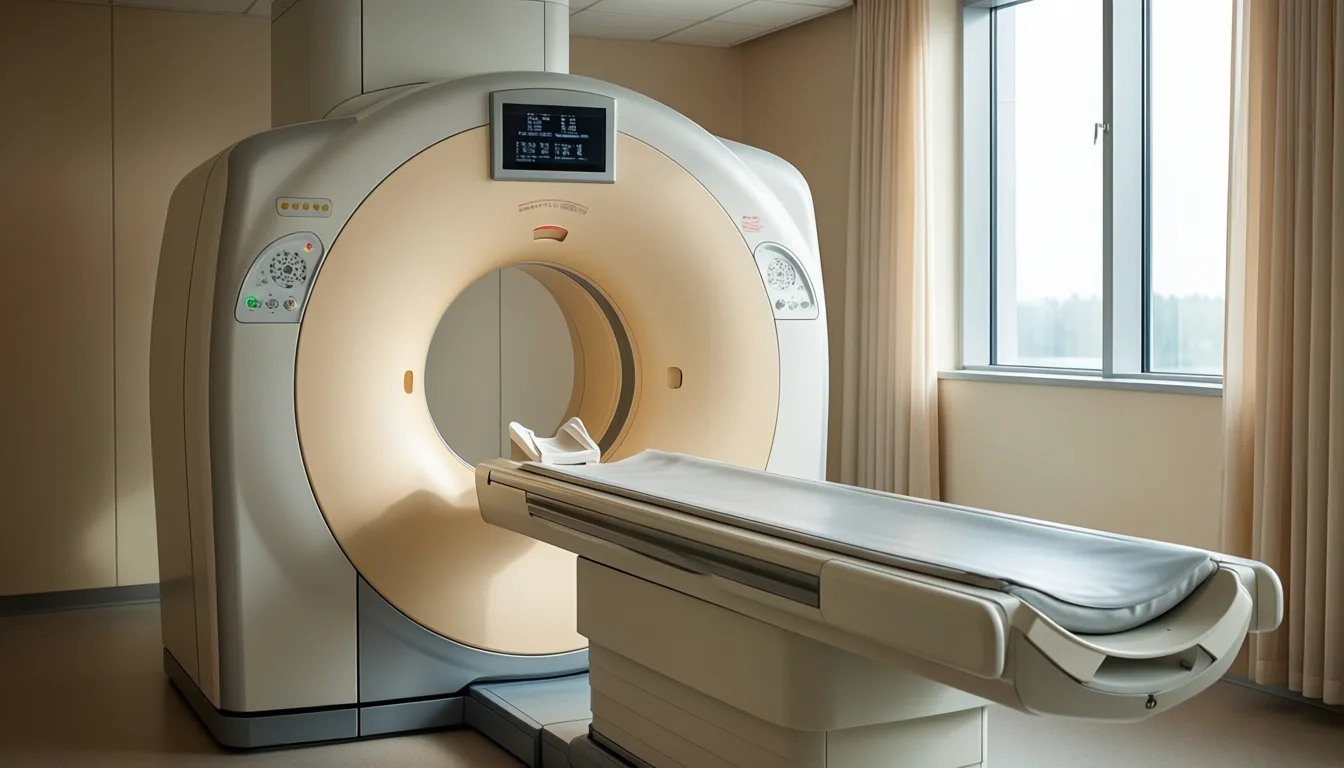
Coronary artery calcium scans turn an invisible process into a number — and increasingly, into a conversation.
Why a tired parent should care
Here is the honest version, for anyone reading this between feeds. Neither study tells you what to do tomorrow morning. The empagliflozin work is in rats. The CTI work is observational — it shows association, not cause, and a 38% relative risk increase in a group with an already-modest absolute risk is meaningful at the population level but not a personal verdict.
What both studies do, taken together, is reinforce a frame that has been quietly gathering evidence for a decade: the metabolic-inflammatory state you carry through your thirties and forties is not just about pants size or future diabetes. It is plausibly a shared upstream for some of the conditions we fear most — and the things that move it (sleep when you can get it, movement when you can fit it in, fiber, the unglamorous basics) are the same ones your clinician has been gently mentioning for years.
The new idea is not that those basics matter. It is that they may matter in more places at once than we realized.
The smallest useful step
If you are reading this on three hours of sleep, do not try to overhaul anything tonight. The research will still be there when the baby is sleeping through. The smallest useful step is usually the one you can actually do: a walk after dinner instead of the couch, water before coffee, an earlier bedtime on the nights you can choose it. The metabolic-brain axis is built one ordinary day at a time, and the evidence is increasingly clear that ordinary days are where the real medicine happens.
The dramatic interventions — the drugs, the scans, the indices — are how science learns. The boring ones are how you live. Both stories matter. Tonight, the boring one wins.
Frequently asked questions
What was empagliflozin originally designed to do, and why are researchers now interested in its effects on the brain?
Empagliflozin is an SGLT2 inhibitor originally designed to help the kidneys excrete excess glucose. It surprised cardiologists with cardiovascular benefits that exceeded what glucose control alone would predict, which led neuroscientists to ask whether it might produce similar unexpected benefits for the brain.
What did the rat study find about empagliflozin's effects on the brain?
In a rat model combining a high-fat diet and a chemical insult to insulin-producing cells, empagliflozin-treated animals performed better on short-term and spatial memory tasks. Their brains also showed less amyloid-β and less phosphorylated tau, and histology revealed reduced neurodegeneration in the cortex and hippocampus.
Why can't readers treat the rat study as proof that empagliflozin prevents Alzheimer's disease?
The article is explicit that this was a rat model, not a clinical trial, and that "rodent Alzheimer's is not human Alzheimer's." It also notes that many compounds that appeared effective in animals have gone on to fail in dementia drug development.
What is the CTI score, and what did researchers find when they applied it to the CARDIA cohort?
The CTI combined C-reactive protein, a marker of systemic inflammation, with the triglyceride-glucose index, a proxy for insulin resistance. Among 2,655 adults followed for nearly nine years, those in the highest CTI quartile had roughly a 38% higher risk of coronary artery calcium progression compared with those in the lowest quartile.
What lifestyle factors does the article say may influence the metabolic-inflammatory state linked to brain and heart risk?
The article points to sleep, movement, and fiber as the "unglamorous basics" that can shift the metabolic-inflammatory state. It suggests these same habits may matter for cognitive and cardiac risk, not just weight or future diabetes.
Sources
- Modulation of Amyloid and Tau Pathology by Empagliflozin in a High-Fat Diet and Streptozotocin-Induced Type 2 Diabetes-Associated Alzheimer's Model. — The European journal of neuroscience
- C-Reactive Protein-Triglyceride-Glucose Index and Coronary Artery Calcium Progression: A Prospective Cohort Analysis. — Clinical cardiology