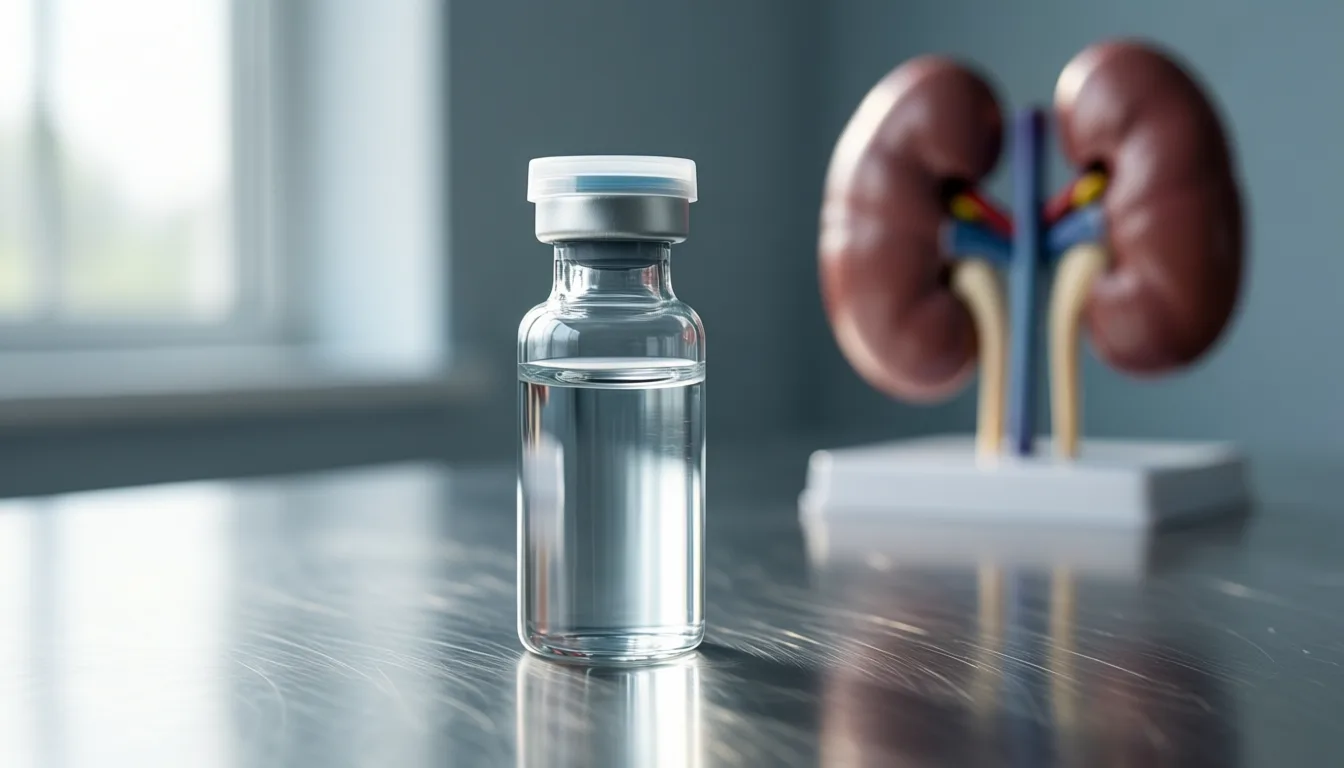
GLP-1s Beyond Blood Sugar: The Quiet Case for Organ Preservation
The same peptide class that reshaped weight loss is now stacking evidence in kidney protection, fibrosis prevention, and transplant medicine. Here's what the data actually says.
Walk into any serious gym in 2026 and the conversation has shifted. The guys who used to argue about creatine loading protocols are now trading screenshots of GLP-1 prescriptions and asking whether the same peptide that flattened their off-season bulk might also be doing something quieter, deeper, and frankly more interesting than appetite suppression. The honest answer: maybe. The evidence is stacking — not screaming — and the next chapter of this drug class isn't about the scale. It's about organs.
Let's be blunt about where the hype ends and the data begins. GLP-1 receptor agonists — semaglutide, liraglutide, dulaglutide, the whole family — earned their reputation on glycemic control and weight loss. That's settled. What's emerging now, and what deserves a careful look rather than a victory lap, is a growing body of work suggesting these peptides may protect the kidneys, blunt fibrotic tissue remodeling, and even reshape who qualifies as a candidate for organ transplantation. The evidence rating here is moderate. Not weak. Not definitive. Moderate means: take it seriously, but don't tattoo it on your forearm yet.
The kidney angle that almost nobody is talking about
For decades, if you had type 1 diabetes and your kidneys were starting to slip, your options were narrow: tight glucose control, an ACE inhibitor or ARB, and the standard cardiovascular risk hygiene. That was basically it. The result? Chronic kidney disease progression in T1D has remained, as one recent review puts it plainly, unacceptably high. The therapies that revolutionized kidney protection in type 2 diabetes — SGLT2 inhibitors, nonsteroidal mineralocorticoid receptor antagonists, and yes, GLP-1 receptor agonists — largely skipped T1D entirely, leaving a treatment gap that's now finally getting attention.
That's changing. A 2025 clinical immunology review out of the Cherney group lays out the case for repurposing these T2D-proven nephroprotective agents in T1D, pointing to ongoing trials — SUGARNSALT, FINE-ONE, and REMODEL-T1D — that should start delivering real human data on whether GLP-1 RAs can move the needle on kidney outcomes in a population that's been waiting a long time for new tools. The mechanistic argument is solid: these drugs hit hemodynamic, inflammatory, and direct kidney injury pathways that drive CKD progression regardless of which type of diabetes started the fire.
For the lifter reading this who doesn't have diabetes: the relevance isn't direct. But it tells you something about the biology. If a peptide is doing meaningful structural work on kidney tissue in disease states, that mechanism doesn't switch off in healthier physiology. It just operates against a different baseline.
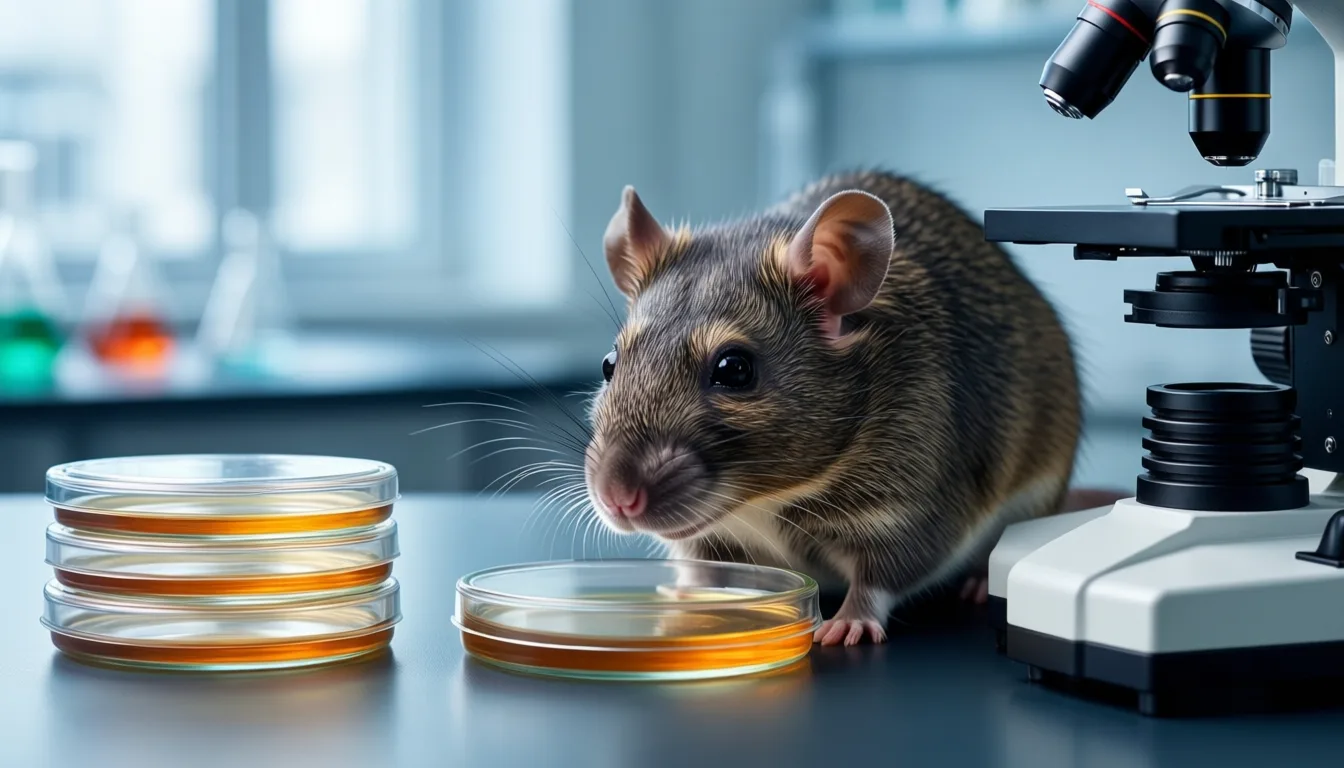
Preclinical work in rodents is where dulaglutide's anti-fibrotic signal first emerged — promising, but a long way from a human prescription pad.
Fibrosis: the quiet killer GLP-1s might actually slow
Here's where it gets genuinely interesting for anyone who thinks about long-term tissue quality — which, if you're training seriously into your forties and beyond, should be all of you. Fibrosis is the scar-tissue process that turns functional organ tissue into stiff, useless connective junk. It's how kidneys fail. It's how livers cirrhose. It's part of why hearts stiffen with age. And in 2025, a rodent study put dulaglutide through its paces against peritoneal fibrosis — the specific scarring process that ends careers for patients on long-term peritoneal dialysis — with results that are, to use the authors' own word, marked.
The setup: cells exposed to a uremic toxin, a fibrosis-inducing chemical, and a bacterial endotoxin lit up across every marker you'd expect — inflammation, oxidative stress, mitochondrial ROS, the epithelial-to-mesenchymal transition that drives fibrotic remodeling. Dulaglutide significantly suppressed those signals. In live rats with chronic kidney disease plus a fibrosis trigger, the same pattern held: peritoneal protein levels of oxidative stress markers (NOX-1, NOX-2, DPP4), inflammatory drivers (NF-κB, TNF-α), and EMT machinery all came down with dulaglutide treatment.
Caveat the size of a squat rack: this is preclinical. Cells in a dish and rats on day 42 are not humans on year ten. Translating rodent anti-fibrotic data into clinical protocols has burned a lot of promising drugs before. But the mechanism is coherent, the effect size is loud, and it's the kind of signal that earns a place on the watchlist.
The next chapter of this drug class isn't about the scale. It's about organs.
From weight-loss tool to transplant enabler
The third piece of the puzzle is the most concrete — and the smallest. A single case report, but a clinically meaningful one: a 63-year-old woman with grade II obesity was initially denied as a kidney donor for her son because of her weight. Standard recommendation at that BMI is bariatric surgery. Instead, her team ran a conservative protocol — caloric restriction, exercise, and liraglutide. Three months later, her BMI was down to 33.4, the surgical contraindications were gone, and she donated a kidney.
One case is one case. You can't build a guideline on it. But it points at something the transplant community has been quietly grappling with: donor obesity is a growing barrier in living-donor programs, and GLP-1 pharmacotherapy may turn out to be a less invasive bridge to eligibility than the scalpel. Expect proper trials.
What this means if you're not sick
Here's the honest read. None of this evidence says a healthy lifter should be on a GLP-1 for organ preservation. Full stop. The data sits in disease populations — T1D with CKD risk, dialysis-related fibrosis, obesity blocking transplant eligibility — and the mechanisms it reveals are interesting, not prescriptive. What it does suggest is that the GLP-1 class is shaping up to be a multi-system tool, and the framing of it as a weight-loss drug is already outdated by the literature.
If you're considering one of these peptides for any reason — body composition, metabolic health, or the long-tail organ angles discussed here — that conversation belongs in a clinician's office, not a forum thread or a comment section. The drugs have real side effects, real cost, and real off-target considerations that vary by individual. Reporting the science is the job. Prescribing it isn't.
- Moderate evidence, expanding map. GLP-1 RAs are accumulating data in kidney protection, fibrosis, and transplant eligibility — not yet definitive, but no longer fringe.
- T1D kidney protection is the frontier. Trials like SUGARNSALT, FINE-ONE, and REMODEL-T1D should deliver the first real human readouts on repurposing T2D nephroprotective drugs for T1D.
- Dulaglutide's anti-fibrotic signal is preclinical but loud. Rodent data show marked suppression of inflammation, oxidative stress, and EMT markers — promising mechanism, not yet a human protocol.
- One case report ≠ a guideline. The kidney-donor case using liraglutide is a single anecdote with clinical interest, not a precedent.
- Not medical advice. Any GLP-1 decision — for any indication — belongs in a clinical conversation, not a gym-floor debate.

Organ preservation is the long game. The training, the sleep, the bloodwork — and now, possibly, a new class of peptides earning its place in the conversation.
Frequently asked questions
How strong is the evidence that GLP-1 receptor agonists protect organs beyond blood sugar control?
The article rates the evidence as moderate — meaning not weak, but not definitive either. The framing used is to take it seriously, but not treat it as settled science.
Which clinical trials are testing GLP-1s for kidney protection in people with type 1 diabetes?
The article cites three ongoing trials: SUGARNSALT, FINE-ONE, and REMODEL-T1D. These are expected to deliver the first real human data on whether GLP-1 receptor agonists can improve kidney outcomes in type 1 diabetes.
What did the case report about kidney donation show?
A 63-year-old woman with grade II obesity was initially denied as a kidney donor for her son due to her weight. After three months on a protocol combining caloric restriction, exercise, and liraglutide, her BMI dropped to 33.4, the surgical contraindications were resolved, and she was able to donate.
What is fibrosis and what did the dulaglutide study find?
The article describes fibrosis as the scar-tissue process that turns functional organ tissue into stiff, useless connective tissue — a factor in kidney failure, liver cirrhosis, and heart stiffening. In a rodent study, dulaglutide significantly suppressed markers of inflammation, oxidative stress, and the cellular process that drives fibrotic remodeling, though the article stresses this research is preclinical.
Should healthy people use GLP-1s for organ preservation based on this evidence?
The article explicitly states the evidence does not support that conclusion, noting the data comes from disease populations such as people with type 1 diabetes at risk for kidney disease, dialysis patients, and those with obesity affecting transplant eligibility. It advises that any consideration of these drugs should happen in a clinician's office, not online forums.
Sources
- Advancing kidney protection in type 1 diabetes: insights from emerging therapies in type 2 diabetes and chronic kidney disease. — Expert review of clinical immunology
- Dulaglutide markedly prevents peritoneal fibrosis in a rodent model of chronic kidney disease: Insights into the pathogenesis. — International journal of molecular medicine
- Improving the Quality of Two Lives by Treating Obesity. — Reports (MDPI)
Join the conversation
Comments are moderated and reviewed before they appear. Be constructive — this is health information.
Add your comment