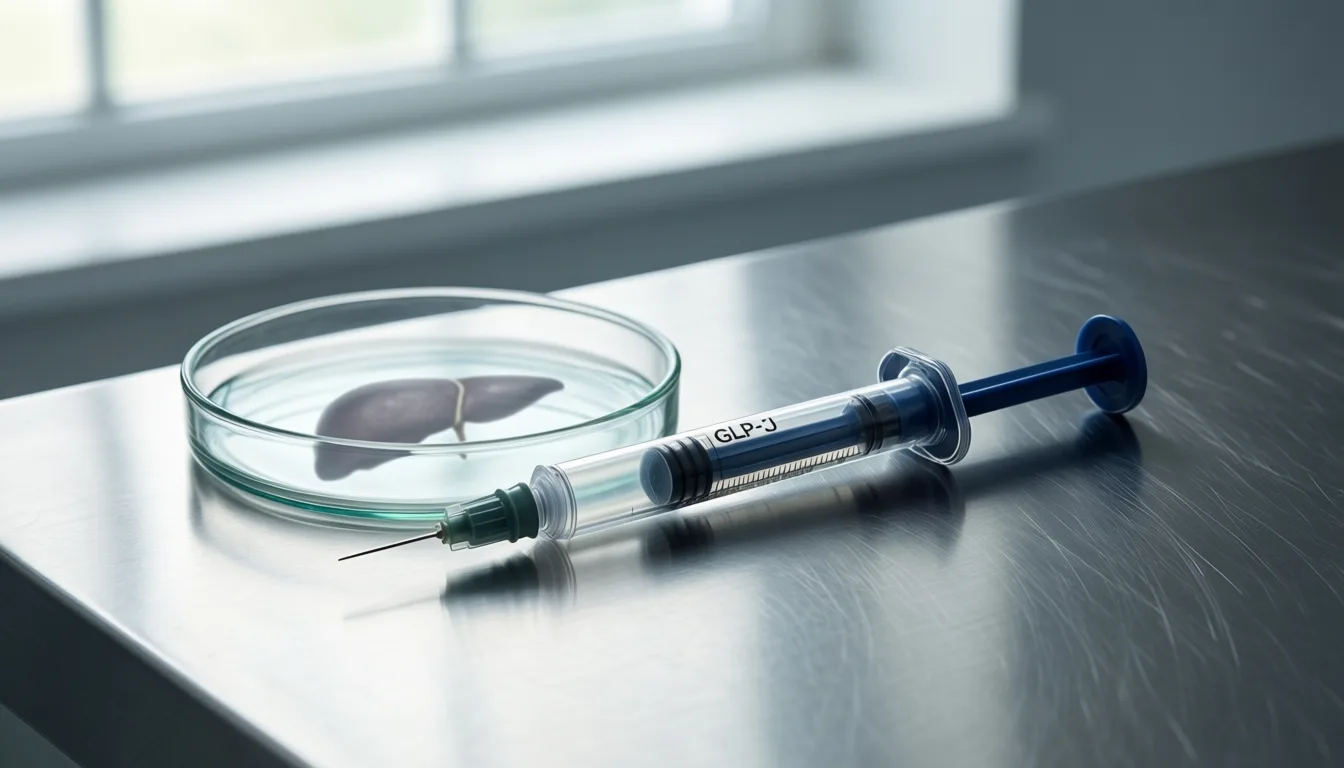
GLP-1s Beyond Glucose: Liver, Plaque, and a Pancreas Warning Shot
Semaglutide, exendin-4, and tirzepatide are pushing GLP-1 receptor agonists into hepatology and cardiology — while a fresh case report reminds us the safety ledger is still open.
The GLP-1 receptor agonist story used to be tidy. A gut peptide mimicked in the lab, deployed against type 2 diabetes, repurposed for weight loss, and championed in cardiometabolic clinics. Tidy is over. In the span of a few months, three new papers have pushed semaglutide into hepatology, exendin-4 into vascular immunology, and tirzepatide into a cautionary case file. None of it overturns the existing playbook. All of it suggests the playbook is about to get longer — and that the quantified-self crowd already micro-dosing these molecules should be reading the fine print, not just the headlines.
- Liver signal, rodent only. Semaglutide blunted chemotherapy-induced hepatotoxicity in rats via PINK1/Parkin mitophagy and NF-κB/NLRP3 suppression — mechanism-rich, but not yet human data.
- Plaque biology, bench only. Exendin-4 reduced foam-cell formation and inflammation in macrophages and ApoE-/- mice by modulating a TREM2–JAK2/STAT3 axis.
- Pancreatitis, single case. A 32-year-old developed probable acute pancreatitis five weeks into tirzepatide, with lipase above 11,000 U/L.
- Evidence rating: Early. Preclinical mechanism plus an n-of-1 adverse event is hypothesis-generating, not prescriptive.
- Talk to a clinician. Anyone using or considering these peptides should be having this conversation with a prescribing physician, not a forum.
The liver experiment that wasn't about glucose
The first of the three papers takes semaglutide somewhere it isn't usually asked to go: the chemotherapy ward. 5-fluorouracil (5-FU) is a workhorse cytotoxic that comes with well-documented hepatic collateral damage. A research group dosed rats with 5-FU, then pretreated a subset with oral semaglutide, and looked at what happened inside the hepatocytes.
The protective signal was substantial. Pretreated animals showed lower hepatic enzymes, less oxidative stress, fewer inflammatory markers, and cleaner histology than 5-FU controls. The mechanism the authors propose is the interesting part: semaglutide appeared to enhance PINK1/Parkin-mediated mitophagy while suppressing the ROS/NF-κB/NLRP3 inflammasome axis, with proinflammatory cytokines TNF-α and IL-6, the oxidative marker malondialdehyde, and apoptotic caspase signaling all trending down. Co-administering chloroquine — an autophagy inhibitor — abolished the benefit, which is the kind of mechanistic clincher reviewers like to see.
The caveat is the one any careful reader has already supplied. This is a rat model of a specific chemotherapy injury, not a human trial of fatty-liver disease, not a real-world signal in oncology patients, and not a license to add semaglutide to a chemo regimen. It is, however, a credible mechanistic claim for hepatoprotection that someone will now try to replicate in larger animals and, eventually, people.

The semaglutide hepatoprotection signal lives in rodent histology — promising, preclinical, and a long way from a human indication.
Exendin-4 walks into the plaque
The second paper concerns exendin-4, the lizard-venom-derived peptide that gave the GLP-1 class its first foothold. Cardiovascular benefit from GLP-1 agonism is one of the better-substantiated extra-glycemic effects, but the cellular wiring has remained murky. Here, a Chinese group zoomed in on macrophages, the cells that gulp oxidized LDL and turn into the foam cells that build arterial plaque.
Stimulating THP-1-derived macrophages with oxLDL ramped up expression of TREM2, an immunoreceptor with a controversial role in atherosclerosis, and activated downstream JAK2/STAT3 signaling — a combination that accelerated foam-cell formation and pumped out inflammatory cytokines. Exendin-4 intervened on that circuit. In both the cell model and ApoE-/- mice on a high-fat diet, the peptide attenuated foam-cell formation and inflammation by regulating the TREM2–JAK2/STAT3 axis.
This is the kind of paper that reframes a known clinical effect rather than discovering a new one. We already suspected GLP-1 agonists do something useful inside arteries; this work suggests one of the levers is immunometabolic, sitting on a receptor that researchers are still arguing about. The translational distance to a human plaque-stabilization claim remains long, and the cohort is a mouse model — but mechanism matters when you're trying to predict which patients benefit most.
Mechanism is not a clinical claim — but it tells you where to look for one. PinnacleLife
A pancreas, a five-week timeline, and a number worth remembering
The third paper is the shortest and, for readers who actually use these drugs, the loudest. A 32-year-old woman with a prior history of gestational diabetes started tirzepatide for weight loss. Four weekly doses at 2.5 mg, then a single 5 mg dose. Five weeks in, she presented with three weeks of worsening epigastric pain, nausea, vomiting, and constipation. Her lipase came back at 11,645 U/L — multiple times the upper limit of normal. Imaging confirmed acute interstitial oedematous pancreatitis, with incidental gallstones but no biliary obstruction on MRCP.
The clinicians stopped the tirzepatide, managed conservatively, and watched her lipase normalize by discharge. They classified this as a probable case of tirzepatide-induced acute pancreatitis, using standard causality reasoning given the temporal relationship and absence of an alternative culprit despite the gallstones.
A single case report is exactly what it sounds like: one data point. The GLP-1 / pancreatitis question has been litigated for over a decade, and large datasets have generally found the absolute risk small. But tirzepatide is a newer molecule — a dual GLP-1/GIP agonist — and the post-marketing surveillance picture for it is still being filled in. For a quantified-self reader, the practical takeaway is unglamorous: persistent upper abdominal pain on any incretin-class agent is a reason to stop dosing and get a lipase, not to wait it out.
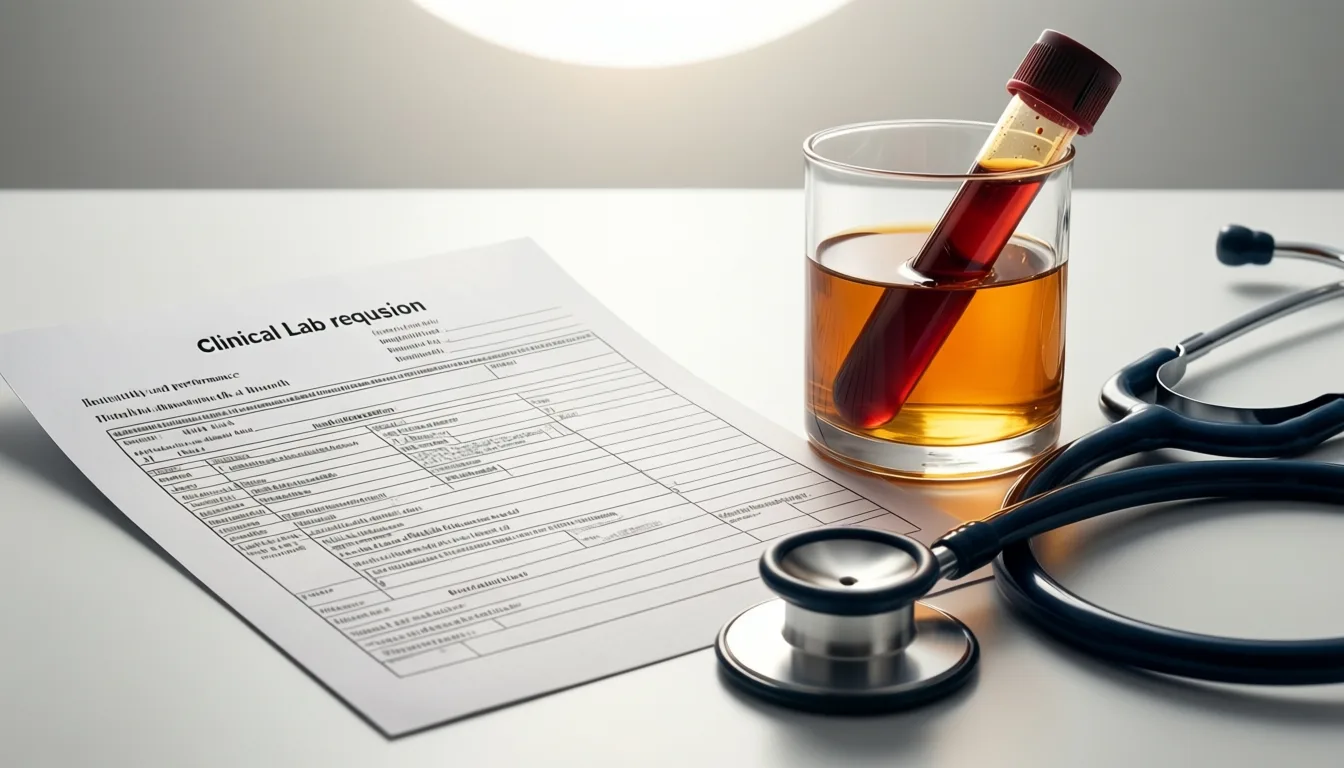
Lipase is the cheap, fast test that turns abdominal pain on a GLP-1 from a guessing game into a decision.
What an evidence-literate reader does with this
Stitched together, these three papers describe a class that is doing more than lowering A1c and shrinking waistlines. The hepatology and vascular biology data are mechanistically rich and preclinically encouraging. The pancreatitis case is a reminder that expanding indications and expanding use will, statistically, surface rarer adverse events more often. None of this changes day-one prescribing. All of it should change how curious readers interpret the next round of headlines.
If you're tracking this space because you take one of these molecules — or are thinking about it — the work to do is the boring kind. Know your baseline labs. Know your family history of pancreatitis and gallbladder disease. Have a real prescriber, not an online questionnaire. And treat preclinical mechanism papers as a map of where the field is headed, not a prescription pad.
Frequently asked questions
What did researchers find when rats were given semaglutide before 5-FU chemotherapy?
Pretreated rats showed lower hepatic enzymes, less oxidative stress, fewer inflammatory markers, and cleaner histology than controls that received 5-FU alone. The authors propose the protection worked through enhanced PINK1/Parkin-mediated mitophagy and suppression of the ROS/NF-κB/NLRP3 inflammasome axis. When the autophagy inhibitor chloroquine was added, the protective effect was abolished.
What is exendin-4, and what did the new study suggest about its role in arterial plaque?
Exendin-4 is a peptide derived from lizard venom that gave the GLP-1 drug class its first foothold. In both macrophage cell models and ApoE-/- mice on a high-fat diet, exendin-4 reduced foam-cell formation and inflammation by regulating a TREM2–JAK2/STAT3 signaling axis — a pathway that drives the build-up of arterial plaque.
What happened to the patient described in the tirzepatide case report?
A 32-year-old woman started tirzepatide for weight loss and, five weeks later, presented with three weeks of worsening epigastric pain, nausea, vomiting, and constipation; her lipase measured 11,645 U/L and imaging confirmed acute interstitial oedematous pancreatitis. Clinicians stopped tirzepatide, managed her conservatively, and her lipase normalized by discharge. They classified it as a probable case of tirzepatide-induced acute pancreatitis based on the temporal relationship and absence of an alternative culprit.
How is tirzepatide different from semaglutide and exendin-4?
Tirzepatide is a dual GLP-1/GIP agonist, making it chemically distinct from semaglutide and exendin-4, which are GLP-1 receptor agonists. Because it is a newer molecule, the article notes that its post-marketing surveillance picture is still being filled in.
What practical steps does the article suggest for people who take or are considering GLP-1 drugs?
The article advises knowing your baseline labs, knowing your personal and family history of pancreatitis and gallbladder disease, and working with a real prescriber rather than an online questionnaire. It also states that persistent upper abdominal pain on any incretin-class agent is a reason to stop dosing and get a lipase test rather than waiting it out.
Sources
- Exploring novel protective role of semaglutide in 5-fluorouracil-induced hepatotoxicity: Insights into phosphorylated CREB, PINK1/Parkin-mediated mitophagy, and NF-κB/NLRP3 pathways. — The Journal of pharmacology and experimental therapeutics
- Exendin-4 Prevents oxLDL-Induced upregulation of TREM2 and attenuates foam cell formation and inflammation in Macrophages. — Biochemical pharmacology
- A Probable Case of Tirzepatide-Induced Acute Pancreatitis. — Cureus
Join the conversation
Comments are moderated and reviewed before they appear. Be constructive — this is health information.
Add your comment