
The Next GLP-1: Orforglipron Brings Pill-Form, Non-Peptide Receptor Agonism
A 26-week Phase 2 trial pits a once-daily oral non-peptide against dulaglutide — and the β-cell and insulin-sensitivity signals are hard to ignore.
For a decade, the GLP-1 story has been a story about needles, cold chains, and peptide chemistry too fragile to survive a stomach. Orforglipron is trying to rewrite all three at once. It is a small molecule — not a peptide — designed to activate the GLP-1 receptor after a swallow, on a kitchen counter, at room temperature. The question for biohackers tracking the next wave of incretins is no longer whether oral GLP-1s exist. It is whether they actually behave like the injectables in the metrics that matter: β-cell function, insulin sensitivity, glycemic control. A new Phase 2 readout offers the cleanest early answer yet.
The trial in question is a 26-week, 378-participant randomized study in adults with inadequately controlled type 2 diabetes. Participants were assigned to one of five orforglipron doses (3, 12, 24, 36, or 45 mg once daily), to dulaglutide 1.5 mg weekly, or to placebo. The exploratory analyses, published in Diabetes, Obesity & Metabolism, focused not on weight or HbA1c headlines but on the underlying machinery — homeostatic model assessment indices of β-cell function (HOMA-B) and insulin resistance (HOMA-IR), along with fasting C-peptide, insulin, glucagon, adiponectin, proinsulin, and the proinsulin-to-insulin ratio. For the quantified-self reader, this is the bloodwork layer beneath the scale.
The signal, at doses of 12 mg and above, was consistent. HOMA-B rose by as much as 123% when calculated from C-peptide and 132% from insulin between baseline and week 4 before stabilising — increases larger than those seen on dulaglutide across every orforglipron dose in that range. Fasting proinsulin and the proinsulin/insulin ratio, both proxies for β-cell stress, also improved more with orforglipron than with the injectable comparator. HOMA-IR, the standard back-of-envelope index of insulin resistance, fell by up to 16% (C-peptide-derived) and 23% (insulin-derived) at the higher doses.
Why a non-peptide matters
Semaglutide, liraglutide, dulaglutide, tirzepatide — the existing GLP-1 class is built from modified peptide backbones engineered to survive long enough in circulation to be dosed weekly by injection. Oral semaglutide exists, but it requires a permeation enhancer and a fasted-stomach ritual that few patients execute perfectly. Orforglipron sidesteps the problem by abandoning the peptide entirely: it is a small molecule that binds the GLP-1 receptor without needing peptide chemistry to do it. That is the part worth pausing on. If the receptor pharmacology of a small molecule can mimic — and on these β-cell markers, arguably exceed at 26 weeks — a weekly peptide, the manufacturing and distribution story for incretins changes. No cold chain. No pen. No compounding pharmacy workaround.
That is the promise. The evidence rating, honestly, is moderate. This is a Phase 2 trial, not a cardiovascular outcomes study. The β-cell and insulin-sensitivity readouts are exploratory analyses, not the registered primary endpoint. HOMA-B and HOMA-IR are useful but indirect — they are math built from fasting labs, not gold-standard clamp studies. And the comparator, dulaglutide 1.5 mg, is a real-world dose but not the most potent injectable on the market.
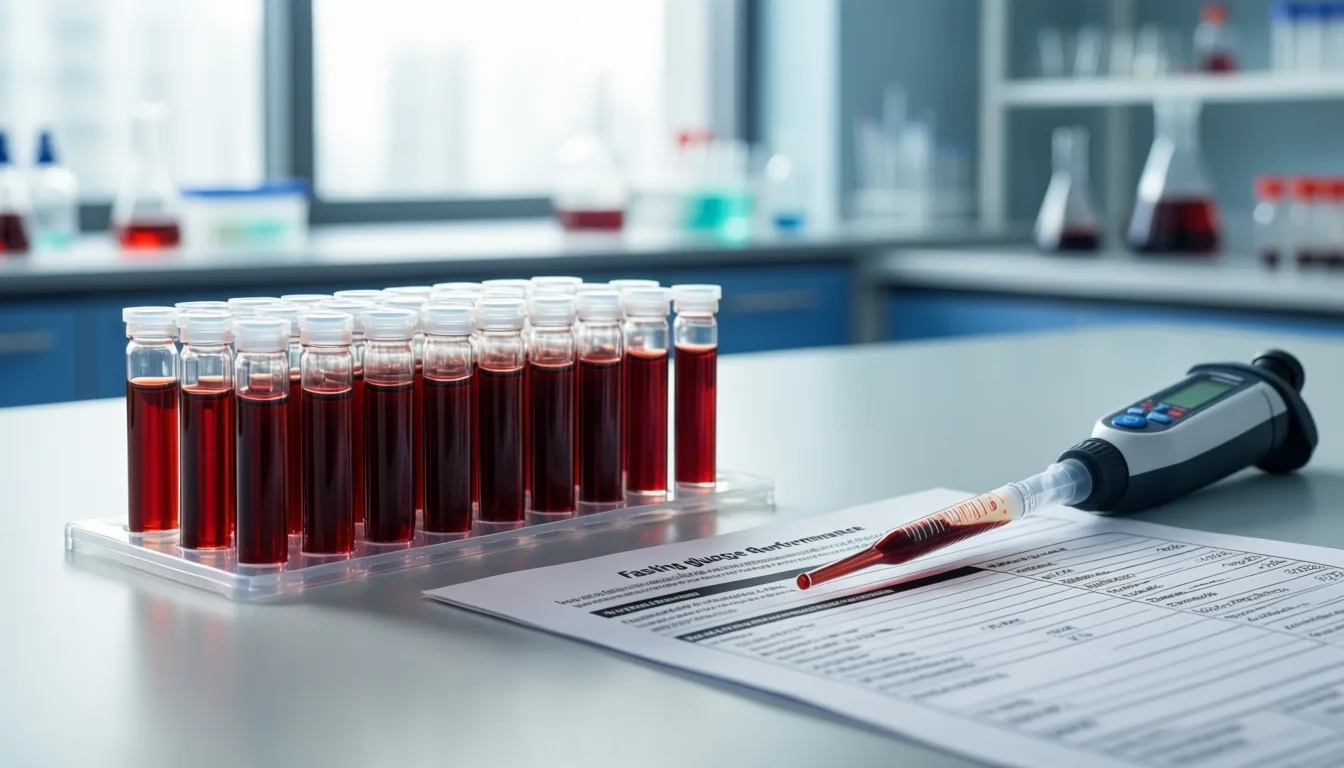
HOMA-B and HOMA-IR are derived from fasting glucose, insulin, and C-peptide — useful proxies, not direct measures of β-cell mass.
If a small molecule can mimic — and on these markers, exceed — a weekly peptide at 26 weeks, the distribution story for incretins changes.
Reading the β-cell numbers carefully
A 123–132% jump in HOMA-B sounds dramatic, and in a sense it is. But HOMA-B reflects the relationship between fasting insulin (or C-peptide) and fasting glucose; when a drug lowers fasting glucose while preserving insulin secretion, the index can climb steeply. That does not necessarily mean the pancreas has grown new β-cells. It means the existing ones are working in a more favorable environment — less glucotoxicity, less demand, better signal-to-noise. The improvement in proinsulin and the proinsulin/insulin ratio is the more interesting biomarker tell, because elevated proinsulin reflects β-cells under strain, hurriedly releasing immature hormone. Those markers improved at orforglipron doses of 12 mg and above to a greater extent than with dulaglutide.
The HOMA-IR drop — up to 23% — is also worth contextualising. Insulin resistance in type 2 diabetes is partly weight-driven, and GLP-1 receptor agonists reliably reduce weight. Some of the sensitivity gain almost certainly rides on that. The exploratory paper does not isolate a weight-independent effect, and biohackers reading this should resist the temptation to do so on its behalf.
CGM traces are how the quantified-self crowd will read this class. The trial measured fasting markers, not 24-hour variability.
What this does and doesn't tell us
What the trial does establish: a once-daily oral non-peptide GLP-1 receptor agonist can move β-cell and insulin-sensitivity biomarkers in the same direction as the injectable class, and in this comparison, further than dulaglutide 1.5 mg at 26 weeks. What it doesn't establish: durability past 26 weeks, hard endpoints (MACE, progression to insulin), head-to-head performance against semaglutide or tirzepatide, or how the tolerability profile shakes out at scale. Phase 3 programs are the place those answers live. Until then, the appropriate posture is interested but unhurried.
For readers tracking the metabolic-drug pipeline as a category, the structural takeaway is the one to hold onto. The GLP-1 era began with peptides because peptides were what the receptor was evolved to recognize. The next era may be defined by small molecules that found a different way in. Orforglipron is not the only non-peptide GLP-1 in development, but it is, on current public data, the furthest along with a directly comparative readout. That alone makes the 26-week numbers worth filing carefully.
- Pill, not peptide. Orforglipron is a small-molecule GLP-1 receptor agonist — no injection, no cold chain.
- β-cell signal at 12 mg+. HOMA-B rose up to 123–132% by week 4 and exceeded dulaglutide across doses.
- Sensitivity improved too. HOMA-IR fell by up to 16–23% at higher doses; proinsulin markers also improved.
- Exploratory, not definitive. These are secondary biomarker analyses from a Phase 2 trial of 378 participants over 26 weeks.
- Comparator caveat. Dulaglutide 1.5 mg is a real-world dose but not the strongest injectable benchmark available.
- Phase 3 will decide. Durability, hard outcomes, and tolerability at scale remain open questions.
Frequently asked questions
How is orforglipron different from GLP-1 drugs like semaglutide or dulaglutide?
Orforglipron is a small molecule rather than a peptide, which means it can be taken as a daily pill, stored at room temperature, and requires no injection or cold chain. Existing GLP-1 drugs are built from modified peptide backbones engineered to survive in circulation long enough to be dosed weekly by injection, while oral semaglutide still requires a permeation enhancer and a strict fasted-stomach routine that few patients follow perfectly.
What did the Phase 2 trial show about beta-cell function?
At doses of 12 mg and above, HOMA-B — an index of beta-cell function — rose by as much as 123% when calculated from C-peptide and 132% from insulin by week 4, increases that were larger than those seen with dulaglutide across every orforglipron dose in that range. Fasting proinsulin and the proinsulin-to-insulin ratio, both proxies for beta-cell stress, also improved more with orforglipron than with the injectable comparator.
Does a big jump in HOMA-B mean orforglipron is growing new beta cells?
Not necessarily. The article explains that HOMA-B reflects the relationship between fasting insulin and fasting glucose, so when a drug lowers fasting glucose while preserving insulin secretion the index can climb steeply without indicating new beta-cell growth. The improvement means existing beta cells are working in a more favorable environment — with less glucotoxicity and less demand — not that the pancreas has gained new cells.
How strong is the evidence behind these findings?
The article rates the evidence as moderate: this is a Phase 2 trial of 378 participants over 26 weeks, and the beta-cell and insulin-sensitivity results are exploratory analyses, not the registered primary endpoint. HOMA-B and HOMA-IR are also indirect measures derived from fasting labs rather than gold-standard clamp studies, and the comparator — dulaglutide 1.5 mg — is not the most potent injectable available.
What questions remain unanswered that Phase 3 trials will need to address?
The trial does not establish durability past 26 weeks, hard clinical endpoints such as cardiovascular events or progression to insulin, head-to-head performance against semaglutide or tirzepatide, or how tolerability holds up at scale. The article also flags whether orforglipron's pill-and-room-temperature profile could meaningfully improve access in markets where cold-chain logistics are a barrier.
Join the conversation
Comments are moderated and reviewed before they appear. Be constructive — this is health information.
Add your comment