
In This Issue
Metabolic Health
-
 The Gut Microbe That Turns Dietary Fat Into an Appetite Brake
A common gut bacterium called Blautia wexlerae appears to rewrite dietary fats into signals that nudge GLP-1 release. The science is early — but the mechanism is genuinely new.
The Gut Microbe That Turns Dietary Fat Into an Appetite Brake
A common gut bacterium called Blautia wexlerae appears to rewrite dietary fats into signals that nudge GLP-1 release. The science is early — but the mechanism is genuinely new.
-
 Metabolic Kidney Disease: The Unified Theory Linking Obesity, Prediabetes, Fatty Liver and Renal Decline
Nephrologists are floating a new diagnostic umbrella — Metabolic Kidney Disease — to catch the quiet damage that obesity, insulin resistance and fatty liver inflict on kidneys years before standard tests flag a problem.
Metabolic Kidney Disease: The Unified Theory Linking Obesity, Prediabetes, Fatty Liver and Renal Decline
Nephrologists are floating a new diagnostic umbrella — Metabolic Kidney Disease — to catch the quiet damage that obesity, insulin resistance and fatty liver inflict on kidneys years before standard tests flag a problem.
-
 Vitamin D, Mangosteen, and a New Blood Test: The Quiet Race to Catch Type 2 Diabetes Early
Three new human studies — a decade-long cohort, a systematic review, and a biomarker case-control trial — sketch an emerging toolkit for spotting dysglycemia before it hardens into disease.
Vitamin D, Mangosteen, and a New Blood Test: The Quiet Race to Catch Type 2 Diabetes Early
Three new human studies — a decade-long cohort, a systematic review, and a biomarker case-control trial — sketch an emerging toolkit for spotting dysglycemia before it hardens into disease.
-
 Insulin Resistance Is Showing Up Where You Wouldn't Expect — Including Your Hands
New research links sore thumbs and stuck fingers to metabolic dysfunction, hints that a bone drug may help blood sugar, and maps the inflammation behind gestational diabetes. The thread connecting them: metabolic health is a whole-body story.
Insulin Resistance Is Showing Up Where You Wouldn't Expect — Including Your Hands
New research links sore thumbs and stuck fingers to metabolic dysfunction, hints that a bone drug may help blood sugar, and maps the inflammation behind gestational diabetes. The thread connecting them: metabolic health is a whole-body story.
Peptides
-
 GLP-1s Beyond Blood Sugar: The Quiet Case for Organ Preservation
The same peptide class that reshaped weight loss is now stacking evidence in kidney protection, fibrosis prevention, and transplant medicine. Here's what the data actually says.
GLP-1s Beyond Blood Sugar: The Quiet Case for Organ Preservation
The same peptide class that reshaped weight loss is now stacking evidence in kidney protection, fibrosis prevention, and transplant medicine. Here's what the data actually says.
-
 GLP-1 Under the Microscope: What Liraglutide's Self-Assembly Reveals About the Next Wave of Weight-Loss Drugs
A new flow-NMR study cracks open how a marketed GLP-1 drug quietly rearranges itself in solution — and why that matters for the next generation of injectables busy men will actually use.
GLP-1 Under the Microscope: What Liraglutide's Self-Assembly Reveals About the Next Wave of Weight-Loss Drugs
A new flow-NMR study cracks open how a marketed GLP-1 drug quietly rearranges itself in solution — and why that matters for the next generation of injectables busy men will actually use.


The Gut Microbe That Turns Dietary Fat Into an Appetite Brake
A common gut bacterium called Blautia wexlerae appears to rewrite dietary fats into signals that nudge GLP-1 release. The science is early — but the mechanism is genuinely new.
Every conversation about weight in 2026 eventually circles back to the same three letters: GLP-1. The injectable drugs that mimic this gut hormone have reshaped how we think about appetite, fullness, and what it actually means to feel satisfied after a meal. But here is the quieter story underneath the noise — your own gut already makes GLP-1, all day, in response to what you eat. And a new preprint suggests one of the microbes living in there may be helping translate the fat on your plate into the very signal that tells your brain to put the fork down.
The microbe in question is Blautia wexlerae, a common human gut commensal you have almost certainly never heard of. In a 2026 bioRxiv preprint, a team led by researchers at Boston Children's Hospital, the Broad Institute and the NIH reported that B. wexlerae carries a unique acyl transferase enzyme that lets it stitch dietary fatty acids onto amine building blocks, producing a class of molecules called acyl amines. Those molecules then act on the enteroendocrine cells lining your gut, prompting them to release GLP-1 and other peptide hormones that govern hunger and blood sugar. In their experiments, the bacterial acyl amines were more potent triggers of GLP-1 release than the acyl amines your own cells make.
If you have spent the last few years reading microbiome headlines that promise everything and deliver vibes, your skepticism is well-earned. What makes this paper different is that it does not stop at correlation. It proposes a specific enzymatic pathway, identifies the molecules involved, shows they activate human enteroendocrine cells in a dish, and then demonstrates that feeding those same molecules to mice improved glycemic control and decreased appetite. That is a real mechanism, not a vibe.
Why this matters for the rest of us
For women navigating the metabolic weirdness of the late thirties and forties — the creeping insulin resistance, the post-meal energy crashes, the way a glass of wine now lands differently than it did at 32 — the appeal of a story like this is obvious. Perimenopause shifts the way your body partitions fuel, and any plausible lever on appetite and glucose handling is worth understanding.
The human side of this paper is where things get interesting, and also where the language has to stay careful. The researchers report that people whose stool samples carried higher levels of Blautia DNA encoding the acyl amine synthesis genes correlated with leanness and lower dietary fat intake, and that colonization with B. wexlerae correlated with healthier eating behaviors. Correlated. Not caused. Not yet.
Your gut already makes GLP-1 all day. One of its microbial roommates may be helping translate the fat on your plate into that signal.
The pathway is specific and chemically defined — a real step up from the usual "this microbe was associated with that outcome" microbiome story.
What an acyl amine actually is, in plain English
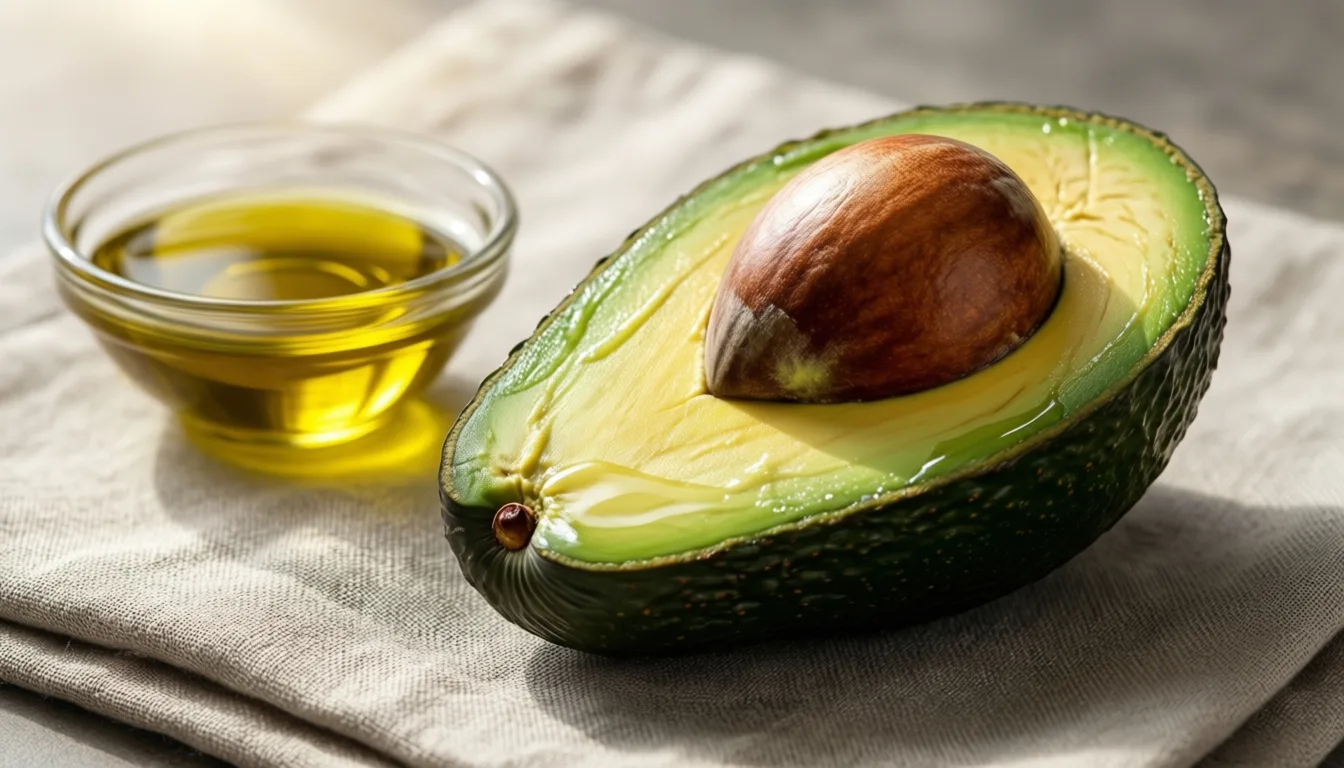
Think of a fatty acid — the kind in olive oil, salmon, avocado — as a long chemical tail. Your gut lining cells have receptors that respond when those tails get hooked onto a small nitrogen-containing handle (an amine). The resulting hybrid molecule, an acyl amine, fits a particular lock on enteroendocrine cells, which respond by squirting out GLP-1 and friends. Your own body makes these molecules in modest amounts. What the new work suggests is that B. wexlerae is unusually good at building them, using a transferase enzyme that appears to be specific to this microbe. In effect, the bug acts as a small chemical factory sitting between your dinner and your hunger hormones.
That framing — microbe as translator, not just passenger — is genuinely new. It also helps explain a puzzle that has nagged at metabolic researchers for a while: why two people eating the same diet can have such different appetite and glucose responses. Part of the answer may live in whose acyl-amine factory is open for business.
Where the hype gets out over its skis
Here is the part where your sharp-friend duty obligates honesty. The mouse data is mechanistically suggestive, not a human trial. The human data is correlational, drawn from stool samples and eating-behavior measures — it cannot tell us whether more Blautia makes people leaner, or whether leaner people with certain diets happen to host more Blautia. The paper is a preprint, meaning it has not yet completed peer review. And nobody has tested whether deliberately seeding someone's gut with B. wexlerae, or feeding them the relevant precursors, reliably moves the needle on weight or A1C in a randomized trial.
That is the responsible read. The exciting read is that the field finally has a defined molecular pathway to interrogate — which means probiotic strains, prebiotic substrates and small-molecule mimics all become testable rather than aspirational. Expect the next eighteen months of microbiome-and-metabolism news to lean heavily on this story.

No, you cannot buy B. wexlerae in a capsule today, and the fermented-food aisle has not been validated against this specific pathway.
So what do you actually do with this on a Tuesday
Almost nothing, and that is okay. There is no clinical recommendation that flows from a single preprint, and anyone selling you a Blautia supplement on the back of this paper is freelancing. What the research reinforces, though, is the broader case for the unglamorous habits that tend to favor a diverse gut community: plants, fiber, fermented foods if you tolerate them, and a willingness to actually eat the fat in your meal instead of fearing it — because the fat is, in this story, the substrate.
If you are already on a GLP-1 medication or considering one, this work does not change that calculus; it sits alongside it. The drugs deliver a pharmacologic dose of a GLP-1-mimicking molecule. The microbe, if the story holds up, helps tune your own endogenous signal. Those are different levers, and a thoughtful clinician is still the right person to help you decide which, if any, belongs in your plan.
- The mechanism is new and specific. Blautia wexlerae carries an acyl transferase that converts dietary fats into acyl amines, which trigger gut hormone release.
- The evidence is early. Mouse experiments plus human correlations in a 2026 preprint — promising, not proven, and not yet peer-reviewed.
- The bacterial molecules outperformed the body's own at stimulating GLP-1 release from human enteroendocrine cells in a dish.
- Higher levels of the relevant Blautia genes correlated with leanness and lower dietary fat intake in humans — correlation, not causation.
- There is no consumer product to act on yet. No validated probiotic, no dosing guidance, no clinical trial showing this reshapes weight or glucose in people.
- Talk to your clinician before changing anything about a GLP-1 medication, diet, or supplement routine based on early science.
Frequently asked questions
What is Blautia wexlerae and what makes it relevant to appetite?
Blautia wexlerae is a common human gut commensal bacterium. It carries a unique acyl transferase enzyme that converts dietary fatty acids into molecules called acyl amines, which act on enteroendocrine cells lining the gut to trigger the release of GLP-1 and other peptide hormones that govern hunger and blood sugar.
Are the bacterial acyl amines more effective at releasing GLP-1 than the body's own?
According to the research described in the article, the bacterial acyl amines produced by Blautia wexlerae were more potent triggers of GLP-1 release than the acyl amines the body's own cells make, based on experiments with human enteroendocrine cells.
What did the study show in mice?
In mouse experiments, feeding the acyl amine molecules improved glycemic control and decreased appetite. The article notes this data is mechanistically suggestive but has not yet been tested in a human randomized trial.
What are the limitations of this research?
The paper is a 2026 preprint that has not yet completed peer review. The mouse data cannot be directly applied to humans, and the human findings are correlational — drawn from stool samples — meaning researchers cannot yet determine whether higher Blautia levels make people leaner or whether leaner people simply tend to host more Blautia.
Can I take a Blautia wexlerae supplement based on this research?
No validated Blautia wexlerae probiotic product is available, and the article states there is no dosing guidance or clinical trial showing it reshapes weight. The article notes that anyone selling a Blautia supplement on the back of this paper is acting without clinical support.
Sources
- Transforms Dietary Fatty Acids to Activate Enteroendocrine Signaling and Improve Metabolic Health in Mice and Humans. — bioRxiv : the preprint server for biology

Metabolic Kidney Disease: The Unified Theory Linking Obesity, Prediabetes, Fatty Liver and Renal Decline
Nephrologists are floating a new diagnostic umbrella — Metabolic Kidney Disease — to catch the quiet damage that obesity, insulin resistance and fatty liver inflict on kidneys years before standard tests flag a problem.
For years, kidney disease has been framed as a late-stage problem — something that shows up on a lab report once diabetes or blood pressure has already done its work. But a growing chorus of nephrologists is arguing that by the time the standard markers move, the story is well into its second act. In a 2026 review, an international team proposes a new diagnostic umbrella, Metabolic Kidney Disease (MKD), to capture the quiet renal injury that begins with obesity, insulin resistance and fatty liver — often long before anyone says the word kidney.
The premise is simple, even if the biology isn't. Obesity, prediabetes, type 2 diabetes and metabolic dysfunction-associated steatotic liver disease (MASLD) tend to be treated as separate problems, with separate specialists and separate screening rules. The MKD framework argues they're better understood as one connected stress on the kidney, sharing mechanisms like glomerular hyperfiltration, adipokine imbalance, low-grade inflammation, endothelial dysfunction and lipid accumulation inside the kidney itself, according to the nephrology review.
Reframed that way, the kidney stops being a downstream victim and becomes part of the metabolic system — alongside the liver, the pancreas and adipose tissue. And that has practical consequences for who gets screened, and when.
- It's a proposed framework, not a diagnosis yet. MKD is an emerging concept in nephrology, currently supported by a review-level synthesis rather than large outcome trials.
- Kidneys get pulled in early. Hyperfiltration, adipokine imbalance and lipid buildup can start damaging nephrons before standard CKD criteria are met.
- Fatty liver is a kidney issue too. Updated European guidelines now treat MASLD as a multisystem disorder with direct renal consequences.
- Mixed phenotypes hit hardest. Obesity plus prediabetes plus MASLD compounds metabolic stress on the kidney.
- Upstream screening is the point. The MKD lens would flag people for kidney checks based on metabolic risk, not just blood pressure or established diabetes.
What the kidney is actually doing under metabolic stress
Picture the kidney as a high-volume filtration plant. When the body is carrying excess metabolic load — extra visceral fat, insulin that no longer works as efficiently, a liver storing fat it shouldn't — the kidney compensates by filtering harder. That state, called glomerular hyperfiltration, looks fine on a basic blood test. It can even make kidney function appear better than average. But the MKD review describes it as one of the earliest fingerprints of trouble: the filtering units are being overworked.
Layered on top is adipokine imbalance — the signaling molecules released by fat tissue that shift toward inflammation when adipose stores grow or become dysfunctional. Add chronic low-grade inflammation, endothelial dysfunction in the tiny vessels feeding the kidney, and actual lipid droplets accumulating in renal cells, and you have a slow, multi-front injury that classical CKD criteria weren't designed to catch.

Movement, sleep and food quality are the levers that act on every part of the metabolic system at once — including the kidney.
By the time the standard markers move, the story is well into its second act.
The liver–kidney conversation we underrate
One of the more interesting threads in the MKD argument is how firmly it pulls the liver into the kidney conversation. Under updated EASL–EASD–EASO guidelines cited in the review, MASLD is reframed as a multisystem disorder rather than a contained liver issue — with direct consequences for renal health. In other words, a fatty liver isn't just a fatty liver.
Newer research is starting to map why. A 2026 study looking at portal insulin dynamics in people with hepatitis C found that portal insulin was significantly reduced during active infection compared with after viral cure, even though peripheral insulin and glucose looked unchanged. Portal insulin also tracked with proinflammatory cytokines, vascular injury markers and shifts in immune-cell populations. It's a different disease state than MASLD, but it underscores the same point the MKD authors are making: the gut–liver axis quietly shapes systemic immunometabolism, and the kidney is sitting downstream of all of it.

Mediterranean-pattern eating is the dietary approach most consistently studied across metabolic conditions that intersect with kidney health.
Why this framing matters for screening
The clinical pitch of MKD is essentially a triage upgrade. Right now, kidney screening tends to follow a diagnosis: you have diabetes, so you get an annual urine albumin test. The review's authors argue that expanded screening based on metabolic vulnerability — not just established disease — could pick up early renal alterations in people who don't yet meet traditional CKD criteria, including those with obesity, prediabetes or MASLD.
That's a meaningful shift in emphasis, particularly for younger adults who don't think of themselves as kidney patients. Obesity- and prediabetes-related MKD, the review notes, frequently precedes diabetic kidney disease. Catching it at the metabolic stage rather than the renal-failure stage is the entire point.
What you can actually do with this
Because MKD is a framework rather than a prescription, the practical takeaways are less about new interventions and more about new awareness. The review emphasizes integrating metabolic evaluation into nephrology practice — and the corollary for readers is integrating kidney curiosity into metabolic care.
If you're being followed for prediabetes, fatty liver, PCOS-adjacent insulin resistance, or weight changes, it's reasonable to ask whether kidney markers (a basic eGFR and a urine albumin-to-creatinine ratio) belong on the next set of labs, especially if they aren't routinely included. The same lifestyle levers that improve insulin sensitivity — sleep regularity, resistance training, Mediterranean-pattern eating, alcohol moderation — sit upstream of the renal injury this framework describes. None of that is novel. What's novel is being told the kidney was listening the whole time.
The kidney stops being a downstream victim and becomes part of the metabolic system.
Will Metabolic Kidney Disease end up as a formal entry in future nephrology guidelines? That depends on whether prospective data catches up to the conceptual case. For now, the value of the framing is in what it changes about attention — pulling kidney health out of the late-stage box and placing it in the same room as every other metabolic conversation a younger adult is already having.
Frequently asked questions
What exactly is Metabolic Kidney Disease, and is it an official diagnosis?
Metabolic Kidney Disease (MKD) is a proposed diagnostic framework — not a formal diagnosis — designed to capture early renal injury linked to obesity, insulin resistance, and fatty liver. It is currently supported by a review-level synthesis rather than large outcome trials, so it won't appear on a lab slip as an official diagnosis.
Why might early kidney damage not show up on a standard blood test?
The article explains that glomerular hyperfiltration — one of the earliest signs of metabolic stress on the kidney — can actually make kidney function appear better than average on a basic blood test. By the time standard markers move, the underlying injury may already be well advanced.
What does fatty liver have to do with kidney health?
Under updated European guidelines cited in the article, metabolic dysfunction-associated steatotic liver disease (MASLD) is reframed as a multisystem disorder with direct consequences for renal health, not simply a contained liver problem. The MKD framework treats fatty liver as part of the same connected metabolic stress affecting the kidney.
Who should consider asking their doctor about kidney markers?
The article suggests it is reasonable to ask about kidney markers — specifically an eGFR and a urine albumin-to-creatinine ratio — if you are being followed for prediabetes, fatty liver, PCOS-adjacent insulin resistance, or weight changes, particularly if those tests are not already part of your routine labs.
What lifestyle factors does the article link to the metabolic mechanisms behind MKD?
The article identifies sleep regularity, resistance training, Mediterranean-pattern eating, and alcohol moderation as lifestyle levers that act on insulin sensitivity and sit upstream of the renal injury the MKD framework describes. It notes that Mediterranean-pattern eating is the dietary approach most consistently studied across the metabolic conditions that intersect with kidney health.
Sources
- Metabolic Kidney Disease: A New Concept in the Interaction Between Obesity, Prediabetes, Diabetes and Liver Dysfunction. — Giornale italiano di nefrologia : organo ufficiale della Societa italiana di nefrologia
- Association of Changes in Portal Insulin with Immunometabolism During and After Hepatitis C Virus Infection. — Journal of clinical and translational hepatology
Vitamin D, Mangosteen, and a New Blood Test: The Quiet Race to Catch Type 2 Diabetes Early
Three new human studies — a decade-long cohort, a systematic review, and a biomarker case-control trial — sketch an emerging toolkit for spotting dysglycemia before it hardens into disease.
Type 2 diabetes rarely announces itself. It accumulates — quietly, across years of slightly elevated fasting glucose, slightly thicker waistlines, slightly stubborn fatigue — until a routine blood draw turns a normal life into a chronic diagnosis. For decades, the central question in metabolic medicine has been not how to treat the disease once it arrives, but how to see it coming. Three new human studies, published in quick succession, suggest the answer may be assembled from unlikely materials: a vitamin most people associate with bone health, a tropical fruit peel, and a protein from a cellular death pathway few outside immunology have ever heard of.
None of these is a breakthrough on its own. Read together, though, they describe a shift in how researchers are framing prediabetes — less as a single number on a lab report and more as a constellation of measurable risks that can be tracked, and possibly nudged, well before the disease takes hold. The evidence is moderate, not definitive. But the direction of travel is interesting.
- Vitamin D status appears more predictive in women than men. A 10-year Japanese cohort found low 25-OH vitamin D was an independent risk factor for prediabetes in women, but not significantly so in men.
- Mangosteen peel extract shows early promise as an adjunct. A PRISMA-grade systematic review identified just two small human trials — encouraging signals, very limited evidence.
- A protein called Gasdermin D may flag β-cell stress early. In a case-control study, plasma GSDMD distinguished newly diagnosed T2DM from controls with striking accuracy.
- None of these is a substitute for standard screening. HbA1c and fasting glucose remain the workhorses; these findings inform conversation, not self-treatment.
- The common thread is inflammation. Each line of evidence touches on the chronic, low-grade inflammatory state that increasingly looks central to metabolic disease.
The vitamin D signal — stronger in women
Vitamin D's relationship with metabolic disease has been studied for years, with results that often disappoint. Trials of supplementation in mixed populations tend to produce small or null effects. But a 10-year observational study published in Endocrine Journal took a different approach: it followed 187 adults who began with entirely normal glucose markers — HbA1c under 6.0% and fasting plasma glucose under 100 mg/dL — and asked which of them progressed to prediabetes, and why.
The sex split was striking. Women whose baseline 25-OH vitamin D fell at or below 17.1 ng/mL had a hazard ratio of 7.08 for developing prediabetes over the decade — a sevenfold elevation, with a confidence interval (2.08–24.2) wide enough to demand humility but narrow enough to take seriously. In men, the equivalent low-vitamin-D group showed an HR of 2.30, but the result was not statistically significant. In multivariate analysis, only two factors emerged as independent, modifiable predictors in women: an abdominal circumference of 90 cm or more, and that low vitamin D threshold.
What this study does not show is equally important. It is observational, single-center, and modest in size. It does not prove that raising vitamin D prevents diabetes; supplementation trials remain the test for that, and they have been mixed. What it does suggest is that 25-OH vitamin D may belong in the conversation when a woman with a normal HbA1c and a borderline waistline sits down with her doctor to discuss long-term risk.

Vitamin D status reflects sunlight, diet, and genetics — a single blood draw captures all three.
Mangosteen peel: a botanical with two trials behind it
The second study sits in a very different register. Mangosteen (Garcinia mangostana) has long been marketed as a metabolic supplement, with claims that often outrun the data. A PRISMA 2020 systematic review in Acta Medica Indonesiana set out to ask a sober question: in humans with type 2 diabetes, what does the actual evidence say about mangosteen peel extract and its xanthone compounds, including α-mangostin?
The answer is a careful one. The reviewers screened the literature through December 2022 and identified exactly two eligible studies. A randomized controlled pilot trial reported a 53.2% improvement in HOMA-IR — a marker of insulin resistance — after 26 weeks of standardized mangosteen extract, compared with a 15.2% improvement in controls (p = 0.004). A small quasi-experimental study found significant fasting glucose reductions after a week of mangosteen peel decoction.
Two studies, one of them quasi-experimental, is a thin foundation. The authors themselves frame the evidence as limited. What is notable is the mechanism: xanthones appear to act partly through anti-inflammatory pathways, which dovetails with a broader story that chronic inflammation is not just a consequence of dysglycemia but a driver. Mangosteen peel extract is not a treatment — not yet, and possibly not ever in the formulations sold on shelves. But it is a plausible adjunct candidate worth watching as larger trials accumulate.
Two studies, one a pilot trial, is a thin foundation — but it is not nothing, and the mechanism is biologically coherent.

The xanthone-rich peel — not the white flesh inside — is where the metabolic interest lies.
Gasdermin D: a biomarker borrowed from cell-death biology
The third paper may be the most intriguing for clinicians thinking about early detection. Pyroptosis is a form of programmed inflammatory cell death executed by a protein called Gasdermin D (GSDMD). It is best known in infectious disease, but a growing body of work suggests it also plays a role in the β-cell injury that underlies T2DM. A case-control study in EJIFCC asked whether plasma GSDMD could be measured — and whether it tracks meaningfully with new-onset disease.
The researchers recruited 130 newly diagnosed T2DM patients and 130 age- and sex-matched normoglycemic controls. GSDMD, along with the inflammatory cytokines IL-18 and IL-1β, was markedly elevated in cases (all p<0.0001). It correlated positively with fasting glucose, HbA1c, HOMA-IR, and hs-CRP, and negatively with HOMA-β, a marker of β-cell function. In adjusted models, every 10 pg/mL increase in GSDMD was associated with an 18% higher odds of T2DM (OR 1.18, 95% CI 1.09–1.29). The ROC curve produced an AUC of 0.98, with a proposed cutoff at 17.5 pg/mL.
An AUC that high in a case-control study should be read with care. Case-control designs tend to inflate diagnostic performance, and a single-center study with matched controls is not the same as a population screen. GSDMD is also not yet a routine clinical assay. Still, the biological coherence — a cell-death pathway, an inflammatory signature, a metabolic correlation — is the kind of signal that justifies the larger, prospective studies needed to confirm it.
How to read this — calmly
None of these findings changes standard practice today. Prediabetes is still defined by HbA1c and fasting glucose; screening guidelines still rest on age, BMI, family history, and metabolic risk markers. What these three papers do — taken together, with appropriate humility about each — is illustrate where the next decade of detection may be heading. A vitamin status check that means more for women than men. A botanical that may earn a modest adjunctive role if larger trials hold. A biomarker that could eventually flag β-cell stress before glucose drifts upward.
For readers already on GLP-1 medications, or considering them, the relevance is indirect but real. Earlier detection means earlier conversations — about lifestyle, about pharmacology, about whether the disease trajectory you are on is the one you want. None of that conversation is medical advice from a magazine. All of it is better when it draws on the most recent evidence, soberly interpreted.
The quiet race to catch type 2 diabetes before it starts is, in the end, a race against a disease that hides in plain sight. The three studies summarized here will not, on their own, win it. But they sharpen the picture — and that, for now, is enough.
Frequently asked questions
Why was the vitamin D finding stronger in women than in men?
In the 10-year Japanese cohort, women with baseline 25-OH vitamin D at or below 17.1 ng/mL had a hazard ratio of 7.08 for developing prediabetes, while the equivalent low-vitamin-D group in men produced a hazard ratio of 2.30 that was not statistically significant. In multivariate analysis, low vitamin D emerged as an independent, modifiable predictor only in women, alongside an abdominal circumference of 90 cm or more.
How strong is the evidence behind mangosteen peel extract for blood sugar?
A PRISMA 2020 systematic review screening literature through December 2022 found exactly two eligible human studies — one randomized controlled pilot trial and one small quasi-experimental study — which the reviewers themselves described as a thin foundation. The article characterizes mangosteen peel extract as a plausible adjunct candidate worth watching as larger trials accumulate, not as an established treatment.
What is Gasdermin D, and why are researchers interested in it for diabetes?
Gasdermin D (GSDMD) is a protein that executes a form of programmed inflammatory cell death called pyroptosis, and a growing body of work suggests it plays a role in the β-cell injury underlying type 2 diabetes. In the case-control study described, plasma GSDMD was markedly elevated in newly diagnosed T2DM patients and correlated positively with fasting glucose, HbA1c, and insulin resistance while correlating negatively with a marker of β-cell function.
Should I use these findings to screen myself for prediabetes instead of getting standard lab tests?
No — the article states explicitly that none of these findings is a substitute for standard screening and that HbA1c and fasting glucose remain the workhorses of diabetes detection. The article frames these findings as informing conversation, not self-treatment.
What do vitamin D, mangosteen peel, and Gasdermin D all have in common?
The article identifies chronic low-grade inflammation as the common thread: each line of evidence touches on the inflammatory state that increasingly looks central to metabolic disease. Vitamin D has known metabolic and inflammatory roles, xanthones from mangosteen peel appear to act partly through anti-inflammatory pathways, and Gasdermin D is a key protein in an inflammatory cell-death pathway linked to β-cell stress.
Sources
- A 10-year observational study of the effects of serum 25OH vitamin D levels on the onset of prediabetes at a preventive medicine research center. — Endocrine journal
- Effects of Garcinia mangostana Peel Extract on Glycemic Control in Type 2 Diabetes Mellitus: A Systematic Review of Human Studies. — Acta medica Indonesiana
- Plasma Gasdermin D as a Biomarker for Pyroptosis in Early Detection of Newly Diagnosed Type 2 Diabetes Mellitus. — EJIFCC
GLP-1s Beyond Blood Sugar: The Quiet Case for Organ Preservation
The same peptide class that reshaped weight loss is now stacking evidence in kidney protection, fibrosis prevention, and transplant medicine. Here's what the data actually says.
Walk into any serious gym in 2026 and the conversation has shifted. The guys who used to argue about creatine loading protocols are now trading screenshots of GLP-1 prescriptions and asking whether the same peptide that flattened their off-season bulk might also be doing something quieter, deeper, and frankly more interesting than appetite suppression. The honest answer: maybe. The evidence is stacking — not screaming — and the next chapter of this drug class isn't about the scale. It's about organs.
Let's be blunt about where the hype ends and the data begins. GLP-1 receptor agonists — semaglutide, liraglutide, dulaglutide, the whole family — earned their reputation on glycemic control and weight loss. That's settled. What's emerging now, and what deserves a careful look rather than a victory lap, is a growing body of work suggesting these peptides may protect the kidneys, blunt fibrotic tissue remodeling, and even reshape who qualifies as a candidate for organ transplantation. The evidence rating here is moderate. Not weak. Not definitive. Moderate means: take it seriously, but don't tattoo it on your forearm yet.
The kidney angle that almost nobody is talking about
For decades, if you had type 1 diabetes and your kidneys were starting to slip, your options were narrow: tight glucose control, an ACE inhibitor or ARB, and the standard cardiovascular risk hygiene. That was basically it. The result? Chronic kidney disease progression in T1D has remained, as one recent review puts it plainly, unacceptably high. The therapies that revolutionized kidney protection in type 2 diabetes — SGLT2 inhibitors, nonsteroidal mineralocorticoid receptor antagonists, and yes, GLP-1 receptor agonists — largely skipped T1D entirely, leaving a treatment gap that's now finally getting attention.
That's changing. A 2025 clinical immunology review out of the Cherney group lays out the case for repurposing these T2D-proven nephroprotective agents in T1D, pointing to ongoing trials — SUGARNSALT, FINE-ONE, and REMODEL-T1D — that should start delivering real human data on whether GLP-1 RAs can move the needle on kidney outcomes in a population that's been waiting a long time for new tools. The mechanistic argument is solid: these drugs hit hemodynamic, inflammatory, and direct kidney injury pathways that drive CKD progression regardless of which type of diabetes started the fire.
For the lifter reading this who doesn't have diabetes: the relevance isn't direct. But it tells you something about the biology. If a peptide is doing meaningful structural work on kidney tissue in disease states, that mechanism doesn't switch off in healthier physiology. It just operates against a different baseline.

Preclinical work in rodents is where dulaglutide's anti-fibrotic signal first emerged — promising, but a long way from a human prescription pad.
Fibrosis: the quiet killer GLP-1s might actually slow
Here's where it gets genuinely interesting for anyone who thinks about long-term tissue quality — which, if you're training seriously into your forties and beyond, should be all of you. Fibrosis is the scar-tissue process that turns functional organ tissue into stiff, useless connective junk. It's how kidneys fail. It's how livers cirrhose. It's part of why hearts stiffen with age. And in 2025, a rodent study put dulaglutide through its paces against peritoneal fibrosis — the specific scarring process that ends careers for patients on long-term peritoneal dialysis — with results that are, to use the authors' own word, marked.
The setup: cells exposed to a uremic toxin, a fibrosis-inducing chemical, and a bacterial endotoxin lit up across every marker you'd expect — inflammation, oxidative stress, mitochondrial ROS, the epithelial-to-mesenchymal transition that drives fibrotic remodeling. Dulaglutide significantly suppressed those signals. In live rats with chronic kidney disease plus a fibrosis trigger, the same pattern held: peritoneal protein levels of oxidative stress markers (NOX-1, NOX-2, DPP4), inflammatory drivers (NF-κB, TNF-α), and EMT machinery all came down with dulaglutide treatment.
Caveat the size of a squat rack: this is preclinical. Cells in a dish and rats on day 42 are not humans on year ten. Translating rodent anti-fibrotic data into clinical protocols has burned a lot of promising drugs before. But the mechanism is coherent, the effect size is loud, and it's the kind of signal that earns a place on the watchlist.
The next chapter of this drug class isn't about the scale. It's about organs.
From weight-loss tool to transplant enabler
The third piece of the puzzle is the most concrete — and the smallest. A single case report, but a clinically meaningful one: a 63-year-old woman with grade II obesity was initially denied as a kidney donor for her son because of her weight. Standard recommendation at that BMI is bariatric surgery. Instead, her team ran a conservative protocol — caloric restriction, exercise, and liraglutide. Three months later, her BMI was down to 33.4, the surgical contraindications were gone, and she donated a kidney.
One case is one case. You can't build a guideline on it. But it points at something the transplant community has been quietly grappling with: donor obesity is a growing barrier in living-donor programs, and GLP-1 pharmacotherapy may turn out to be a less invasive bridge to eligibility than the scalpel. Expect proper trials.
What this means if you're not sick
Here's the honest read. None of this evidence says a healthy lifter should be on a GLP-1 for organ preservation. Full stop. The data sits in disease populations — T1D with CKD risk, dialysis-related fibrosis, obesity blocking transplant eligibility — and the mechanisms it reveals are interesting, not prescriptive. What it does suggest is that the GLP-1 class is shaping up to be a multi-system tool, and the framing of it as a weight-loss drug is already outdated by the literature.
If you're considering one of these peptides for any reason — body composition, metabolic health, or the long-tail organ angles discussed here — that conversation belongs in a clinician's office, not a forum thread or a comment section. The drugs have real side effects, real cost, and real off-target considerations that vary by individual. Reporting the science is the job. Prescribing it isn't.
- Moderate evidence, expanding map. GLP-1 RAs are accumulating data in kidney protection, fibrosis, and transplant eligibility — not yet definitive, but no longer fringe.
- T1D kidney protection is the frontier. Trials like SUGARNSALT, FINE-ONE, and REMODEL-T1D should deliver the first real human readouts on repurposing T2D nephroprotective drugs for T1D.
- Dulaglutide's anti-fibrotic signal is preclinical but loud. Rodent data show marked suppression of inflammation, oxidative stress, and EMT markers — promising mechanism, not yet a human protocol.
- One case report ≠ a guideline. The kidney-donor case using liraglutide is a single anecdote with clinical interest, not a precedent.
- Not medical advice. Any GLP-1 decision — for any indication — belongs in a clinical conversation, not a gym-floor debate.

Organ preservation is the long game. The training, the sleep, the bloodwork — and now, possibly, a new class of peptides earning its place in the conversation.
Frequently asked questions
How strong is the evidence that GLP-1 receptor agonists protect organs beyond blood sugar control?
The article rates the evidence as moderate — meaning not weak, but not definitive either. The framing used is to take it seriously, but not treat it as settled science.
Which clinical trials are testing GLP-1s for kidney protection in people with type 1 diabetes?
The article cites three ongoing trials: SUGARNSALT, FINE-ONE, and REMODEL-T1D. These are expected to deliver the first real human data on whether GLP-1 receptor agonists can improve kidney outcomes in type 1 diabetes.
What did the case report about kidney donation show?
A 63-year-old woman with grade II obesity was initially denied as a kidney donor for her son due to her weight. After three months on a protocol combining caloric restriction, exercise, and liraglutide, her BMI dropped to 33.4, the surgical contraindications were resolved, and she was able to donate.
What is fibrosis and what did the dulaglutide study find?
The article describes fibrosis as the scar-tissue process that turns functional organ tissue into stiff, useless connective tissue — a factor in kidney failure, liver cirrhosis, and heart stiffening. In a rodent study, dulaglutide significantly suppressed markers of inflammation, oxidative stress, and the cellular process that drives fibrotic remodeling, though the article stresses this research is preclinical.
Should healthy people use GLP-1s for organ preservation based on this evidence?
The article explicitly states the evidence does not support that conclusion, noting the data comes from disease populations such as people with type 1 diabetes at risk for kidney disease, dialysis patients, and those with obesity affecting transplant eligibility. It advises that any consideration of these drugs should happen in a clinician's office, not online forums.
Sources
- Advancing kidney protection in type 1 diabetes: insights from emerging therapies in type 2 diabetes and chronic kidney disease. — Expert review of clinical immunology
- Dulaglutide markedly prevents peritoneal fibrosis in a rodent model of chronic kidney disease: Insights into the pathogenesis. — International journal of molecular medicine
- Improving the Quality of Two Lives by Treating Obesity. — Reports (MDPI)

What Centenarians' Gut Bugs — and a Nursing Home's — May Be Telling Us About Aging
Two new microbiome studies bracket the human lifespan, hinting that the bacteria in our intestines track with both extreme longevity and cognitive decline. The signals are early, but intriguing.
The gut is the longevity organ we keep underestimating. Inside its dark, churning interior lives a city of trillions — bacteria, archaea, fungi, viruses — that helps digest our food, train our immune system, and, increasingly, appears to whisper to our brains. Two new studies, published in 2026 and sitting at opposite ends of the human lifespan, offer fresh and complementary glimpses into what that whispering might mean. One looked inside the guts of people who had reached one hundred years old. The other looked inside the guts of nursing-home residents, some with dementia and some without. Together they sketch a hypothesis that is still very much in its early innings: the microbes we carry may track, in measurable ways, with how well — and how long — we age.
- Centenarians host a richer Lactobacillus repertoire. A culture-based comparison found 12 Lactobacillus species unique to centenarians versus just two unique to young adults.
- Their strains behave differently in the lab, fermenting sugars and producing metabolites — including certain bile acids and fatty acids — in distinctive patterns.
- Dementia tracks with a different gut. In 56 nursing-home residents, those with dementia showed marked compositional shifts compared with cognitively intact peers in the same facility.
- Shared environment doesn't erase the signal. Same building, same food, same staff — and yet the microbiomes still diverged with cognitive status.
- Causality is unresolved. These are association studies. Whether microbes drive healthy aging or merely accompany it remains an open question.
At one hundred, a different microbial fingerprint
In the first study, researchers in Estonia took fecal samples from 25 centenarians and 25 young adults and did something that has become unfashionable in the age of sequencing: they actually cultured the bugs. The team isolated lactobacilli — a family of fermenting bacteria long associated with probiotic foods — and identified each strain to the species level. They then tested how those strains behaved, including their susceptibility to antibiotics and their biochemical and metabolic profiles.
The headline number is striking. Across both groups, the researchers identified twenty Lactobacillus species; six were shared, twelve were unique to the centenarians, and only two were unique to the young adults. Overall abundance of Lactobacillaceae was similar between groups, but centenarians had greater species richness and a higher relative proportion of lactobacilli within their cultured isolates.
More interesting than the species count is what those species seemed to be doing. Isolates from centenarians showed distinct carbohydrate fermentation patterns and metabolic profiles, including higher levels of acylcarnitines, arachidonic acid, and selected bile acids. Translation: the bugs living inside the very old were not just different in name. They were running different chemistry.

Cultured-based microbiology is unglamorous next to sequencing, but it lets researchers ask what a strain actually does, not just what it is.
Why does this matter? Because the authors explicitly framed their work as a search for candidates with potential probiotic properties. The centenarian gut, in this reading, is a natural library — a place to go looking for strains that may have co-existed with extreme healthy aging and that could, in principle, be developed and studied as next-generation probiotics. The paper does not claim these strains cause longevity, and neither will we. What it does suggest is that the lactobacilli of people who have made it to one hundred are compositionally and functionally distinctive, and worth a closer look.
The centenarian gut, in this reading, is a natural library — a place to go looking for strains that may have co-existed with extreme healthy aging.
Down the hall, a different story
The second study, published in Nutrients, narrows the frame considerably. Researchers enrolled 56 older adults living in a single nursing home in Italy. Twenty-nine of them had been diagnosed with dementia; the rest had not. The team sequenced the 16S ribosomal RNA gene from each participant's stool — the standard molecular method for cataloguing gut bacteria — and then asked a deceptively simple question: do the residents with dementia carry a different microbiome than their cognitively intact neighbors?
The shared-environment design is the clever part. In most microbiome studies, you cannot tell whether differences between sick and healthy people reflect biology or simply the fact that they live different lives, eat different food, and take different medications. Here, the residents largely did not. They ate the same kitchen's cooking, breathed the same air, were cared for by the same staff. Any microbial difference left standing after that has a better chance of meaning something.
What the researchers found, after adjusting for covariates including age, sex, frailty status, drug use, and time spent in the nursing home, was that aging itself reshaped the gut — and that dementia layered on additional shifts. In their cohort, Bacteroidota and Proteobacteria were the most abundant phyla in older adults, while Firmicutes and Actinobacteriota declined with advancing age, alongside an increased relative abundance of Euryarchaeota — a phylum that includes methanogenic archaea. And in subjects with dementia specifically, the paper reports marked compositional shifts distinguishing them from non-demented residents of the same facility.

Same building, same meals, same routines — and still the gut communities diverged with cognitive status.
What the gut–brain link does — and doesn't — yet show
It is tempting to draw a straight line from these findings to the so-called gut–brain axis and declare the case closed. Resist the temptation. The nursing-home study is, by its authors' own framing, an association study. It cannot tell us whether the microbial shifts seen in residents with dementia are a cause of neurodegeneration, a consequence of it (people with advanced dementia often eat differently, move less, and take more medications), or a parallel effect of some third factor the analysis could not fully capture.
The same caveat applies on the longevity side. The centenarian lactobacilli are interesting, but a cross-sectional snapshot of 25 very old people and 25 young people cannot tell us whether those strains helped their hosts reach one hundred, or merely happened to be along for the ride. Nor can the in-vitro metabolic differences be assumed to do anything beneficial inside a living human gut without far more work.
Still, the pairing is suggestive. At one end of life, distinctive microbes coexist with exceptional survival. At the other, distinctive microbes coexist with cognitive decline, even when daily life is held roughly constant. Neither study is a prescription. Both are signals worth following.
For longevity-minded readers, the practical takeaway is uncomfortably modest: there is no centenarian-in-a-capsule on the shelf, and the dementia–microbiome link is not yet a target you can act on. The actionable interventions for cognitive and metabolic health in later life remain the unsexy classics — sleep, movement, fiber, social connection, blood-pressure control. What is changing is the map. The microbiome is becoming a richer, more legible part of the longevity picture, and studies like these are the cartography. Worth watching. Not yet worth bottling.
Frequently asked questions
How did the Lactobacillus bacteria found in centenarians differ from those found in young adults?
Researchers identified twenty Lactobacillus species across both groups; twelve were unique to centenarians, only two were unique to young adults, and six were shared. Beyond the species count, isolates from centenarians showed distinct carbohydrate fermentation patterns and metabolic profiles, including higher levels of acylcarnitines, arachidonic acid, and selected bile acids.
Why did the nursing home study design make its findings more meaningful than a typical microbiome study?
Because all 56 participants lived in the same facility, ate the same food, breathed the same air, and were cared for by the same staff, the usual confounding factors — different diets, environments, and routines — were largely eliminated. Any microbial differences that remained between residents with and without dementia therefore had a better chance of reflecting biology rather than lifestyle.
Do these studies prove that gut bacteria cause longevity or protect against dementia?
No. Both studies are association studies, and the authors themselves acknowledge that causality is unresolved. The microbial differences seen alongside dementia could be a cause of neurodegeneration, a consequence of it, or a parallel effect of some other factor, and the centenarian lactobacilli cannot be shown by a cross-sectional snapshot to have helped their hosts reach one hundred.
Why did the Estonian researchers culture the bacteria rather than using DNA sequencing?
The article notes that while culturing has become unfashionable compared to sequencing, it lets researchers ask what a strain actually does, not just what it is. This allowed the team to test antibiotic susceptibility and assess the biochemical and metabolic behavior of each isolated strain.
What changes in gut bacteria were associated with aging in the nursing home residents?
In the nursing home cohort, Bacteroidota and Proteobacteria were the most abundant phyla in older adults, while Firmicutes and Actinobacteriota declined with advancing age. There was also an increased relative abundance of Euryarchaeota, a phylum that includes methanogenic archaea, alongside aging.
Sources

Insulin Resistance Is Showing Up Where You Wouldn't Expect — Including Your Hands
New research links sore thumbs and stuck fingers to metabolic dysfunction, hints that a bone drug may help blood sugar, and maps the inflammation behind gestational diabetes. The thread connecting them: metabolic health is a whole-body story.
You picked up the baby a thousand times this week. Somewhere around pickup nine hundred, your thumb started to ache — a sharp pinch at the base when you twist a jar or buckle a car seat. You assumed it was the obvious thing: too much lifting, not enough sleep, the rite of passage every parent jokes about. New research suggests the obvious answer may be only part of the story. A growing body of work is quietly redrawing the map of metabolic health, finding its fingerprints in places — hands, bones, the early weeks of pregnancy — that used to feel unrelated.
The most surprising of the recent findings comes from a hand-surgery clinic. In a cross-sectional analysis of 93 patients with de Quervain's tenosynovitis (the thumb-side wrist pain familiar to anyone who has hoisted a newborn) or trigger finger, 70% met criteria for insulin resistance or metabolic syndrome. Nearly half had prediabetes; close to a quarter had type 2 diabetes. The insulin-resistant patients also carried higher BMI, fasting glucose, HbA1c and triglyceride-to-HDL ratios than their non-resistant counterparts.
The proposed mechanism is unglamorous but plausible: chronic high blood sugar produces advanced glycation end products, sticky molecules that stiffen tendons and the sheaths they slide through. Overuse still matters — this is a single clinic sample, not proof that metabolism causes every sore thumb — but the signal is strong enough to suggest that a stubborn hand problem deserves a broader look than a wrist splint.
A stubborn sore thumb may be doing more than complaining about the baby. It may be telling you something about blood sugar.

Tendinopathies of the hand are common in new parents — and, new data suggest, often travel with metabolic clues.
A bone drug with a side conversation about blood sugar
The second thread runs through a place even further from the pancreas: bone. Denosumab is a monoclonal antibody prescribed to slow bone loss in osteoporosis. A recent meta-analysis pooling randomised trials and cohort studies reports that, compared with placebo or other osteoporosis treatments, denosumab was associated with a 22% lower incidence of type 2 diabetes (HR 0.78, 95% CI 0.70–0.87). The same analysis found small downward shifts in fasting blood sugar, HbA1c and HOMA-IR, though those glycemic changes did not reach statistical significance.
Read carefully, that is a moderate finding, not a headline. The relative risk reduction is real; the absolute risk reduction was small and not statistically significant, and the surrogate markers softened the further you looked. Still, it adds to a growing recognition that bone and glucose metabolism talk to each other — and that drugs developed for one organ system sometimes echo elsewhere. For a parent navigating a family member's osteoporosis treatment, it is a reasonable question to raise with a clinician; it is not a reason to start, switch, or stop anything on your own.
Pregnancy, inflammation and the immune-metabolic crossover
The third thread runs through pregnancy. Gestational diabetes (GDM) has long been framed as a story of insulin resistance outpacing the pancreas's ability to compensate. A case-control study of 88 South Indian women — 44 with GDM, 44 normoglycemic — adds an immunological layer. The researchers measured fasting glucose, C-peptide, the cytokines IL-6, IL-10 and IL-13, and the adipokines chemerin and visfatin, then ran regression analyses to see which markers tracked with glycemia and with GDM status independent of glucose. Women with GDM showed significantly higher fasting glucose and lower C-peptide than controls, and the analysis pointed toward distinct immunometabolic patterns underlying the condition.
For a tired pregnant reader, the practical takeaway is modest but real: GDM is not a moral failing or a simple matter of sugar intake. It is an inflammation-tinged conversation between fat tissue, the immune system, and the pancreas — one reason screening, follow-up after delivery, and a clinician's eye on long-term cardiometabolic risk all matter, even after the baby arrives and glucose tolerance returns to normal.

Gestational diabetes is increasingly understood as an immunometabolic condition, not only a sugar-handling problem.
What ties these three findings together
None of these studies, on its own, rewrites the textbook. The hand-clinic data are cross-sectional and from a single practice; association is not causation. The denosumab signal on diabetes incidence is meaningful, but its effects on glycemic surrogates were small and inconsistent. The cytokine work in GDM is a careful case-control snapshot, not a treatment trial. Together, though, they sketch the same picture from three angles: metabolic dysfunction is not a contained problem of blood sugar. It reaches into tendons, talks to bone, and is woven into the immune system from very early in pregnancy.
For parents in the trenches — sleep-shorted, snack-fueled, often skipping their own check-ups — that reframing has a small, doable implication. The next time something nags (a thumb that won't quiet down, a postpartum glucose follow-up that keeps sliding off the to-do list, a parent's new osteoporosis prescription), it is worth one conversation with a clinician rather than another month of waiting it out. Not because any single study demands action, but because the map is getting clearer about how connected these systems are.
- Sore thumbs deserve a wider look. A clinic study found 70% of de Quervain's and trigger finger patients met criteria for insulin resistance or metabolic syndrome.
- Bone and blood sugar are linked. A meta-analysis associated denosumab with a 22% lower incidence of type 2 diabetes, though changes in HbA1c and HOMA-IR were small and not statistically significant.
- GDM is immunometabolic. New case-control data point to distinct cytokine and adipokine patterns alongside the familiar glucose and C-peptide differences.
- Evidence is moderate, not settled. These are early signals from small or pooled studies — useful for asking better questions, not for changing prescriptions.
- One conversation beats a month of waiting. Persistent hand pain, a missed postpartum glucose follow-up, or a parent's bone medication are all reasonable things to raise with a clinician.
Frequently asked questions
What did researchers find when they looked at patients with de Quervain's tenosynovitis or trigger finger?
In a cross-sectional analysis of 93 patients with these hand conditions, 70% met criteria for insulin resistance or metabolic syndrome. Nearly half had prediabetes, and close to a quarter had type 2 diabetes.
Why would high blood sugar affect tendons?
The proposed mechanism is that chronic high blood sugar produces advanced glycation end products, described in the article as sticky molecules that stiffen tendons and the sheaths they slide through. The article notes this is plausible but that overuse still matters and the hand-clinic data are from a single practice.
What did the research find about denosumab and type 2 diabetes risk?
A meta-analysis pooling randomised trials and cohort studies associated denosumab with a 22% lower incidence of type 2 diabetes compared with placebo or other osteoporosis treatments. The article cautions that the absolute risk reduction was small and not statistically significant, and that changes in blood sugar markers like HbA1c and HOMA-IR were small and inconsistent.
How does the article characterize gestational diabetes beyond the standard explanation?
The article describes gestational diabetes as an immunometabolic condition — an inflammation-tinged conversation between fat tissue, the immune system, and the pancreas — rather than simply a sugar-handling problem. A case-control study it cites found distinct cytokine and adipokine patterns in women with gestational diabetes alongside the expected glucose differences.
How confident should readers be in the studies described?
The article explicitly characterizes the evidence as early and moderate in strength, noting that the hand-clinic data are cross-sectional and from a single practice, the denosumab glycemic findings were small and inconsistent, and the gestational diabetes cytokine work is a case-control snapshot rather than a treatment trial. It frames these findings as useful for asking better questions, not for changing any treatment.
Sources
- Beyond Overuse: A Cross-Sectional Analysis of Insulin Resistance in De Quervain's and Stenosing Flexor Tenosynovitis. — Malaysian orthopaedic journal
- Denosumab's Role in Reducing Type 2 Diabetes Risk and Improving Glycaemic Control in Osteoporotic Patients - A Meta-analysis. — Malaysian orthopaedic journal
- Association Between Insulin Resistance Markers and Immunological Markers in Gestational Diabetes Mellitus. — Cureus
GLP-1 Under the Microscope: What Liraglutide's Self-Assembly Reveals About the Next Wave of Weight-Loss Drugs
A new flow-NMR study cracks open how a marketed GLP-1 drug quietly rearranges itself in solution — and why that matters for the next generation of injectables busy men will actually use.
The GLP-1 drugs reshaping how middle-aged men think about body composition are, structurally speaking, fussy little things. They are peptides — short chains of amino acids — and peptides do not sit politely in a vial waiting to be injected. They fold, stack, clump, and rearrange depending on temperature, pH, and what their neighbors are doing. A new peer-reviewed methods paper out of Analytical Chemistry uses a technique called flow-NMR to watch one of these drugs, liraglutide, do exactly that — in real time. The takeaway for a busy 40-year-old isn't a new prescription. It's a clearer picture of why this drug class behaves the way it does in your body, and where the next generation is likely to improve.
- What's new: Researchers built a flow-NMR workflow to track how liraglutide self-assembles as pH shifts, capturing the process without stitching together multiple instruments.
- Why it matters: Oligomer state influences stability, absorption, and bioavailability — the unglamorous variables that decide whether a peptide drug works as a weekly shot or a daily one.
- Evidence strength: Moderate. This is a methods advance on a single marketed peptide, not a clinical trial of a new therapy.
- What it isn't: A breakthrough drug, a new dose recommendation, or evidence that any current GLP-1 should be used differently.
- The practical read: Expect the next wave of GLP-1 agonists to be designed with assembly behavior in mind, not just receptor binding.
Why a peptide's social life matters
Liraglutide is a GLP-1 receptor agonist used to manage type 2 diabetes and obesity. It works by mimicking a gut hormone that nudges insulin, slows gastric emptying, and dials down appetite. That's the part most readers already know. The part that rarely surfaces outside pharma R&D is that liraglutide molecules don't stay solo in solution. They form distinct oligomers, and under certain conditions, fibrils — and that assembly behavior shapes stability, absorption, and bioavailability.
Translate that out of journal-speak: how the molecule clusters in the vial, and then in the tissue under your skin after injection, partly determines how quickly it reaches your bloodstream and how long it lingers. For a once-daily injectable like liraglutide, that's not trivia. It's the entire dosing rationale.
Flow-NMR lets researchers watch a peptide rearrange in solution as conditions change, rather than freezing a single snapshot.
What flow-NMR actually does
Nuclear magnetic resonance — NMR — is the same physics that powers MRI, repurposed to read the architecture of molecules. Traditionally, you load a sample, take a measurement, and look at a static picture. The new work describes a flow-NMR methodology that modulates sample conditions precisely while measurements run, allowing systematic kinetic investigation of how a biomolecule changes over time.
The team applied it to liraglutide's pH-dependent oligomeric interconversion, layering 1D and pseudo-2D proton NMR experiments — including a flow-compatible diffusion experiment they call GUPPY-DOSY — to track diffusion coefficients, transverse relaxation, and structural similarity in one integrated workflow. Previously, getting that picture meant combining several techniques and inferring the rest. Now it's one setup.
How the molecule clusters in the vial — and under your skin — partly determines how quickly it reaches your bloodstream and how long it lingers.
Why this matters for the next generation
The GLP-1 category is moving fast. Liraglutide was an early entrant; weekly and now potentially monthly agonists have followed, and pipelines are stacked with oral peptides, dual and triple agonists, and longer-acting analogs. The bottleneck isn't usually receptor biology — it's the peptide engineering: keeping the molecule stable in a vial, predictable under the skin, and consistent from one batch to the next.
A tool that lets developers watch self-assembly happen — rather than infer it from endpoint assays — is the kind of unglamorous infrastructure that quietly raises the ceiling for the whole category. If quality control gets sharper and assembly behavior becomes a design parameter rather than an afterthought, the practical wins are the ones patients notice: fewer injection-site issues, more forgiving dosing windows, longer intervals between shots.
That is, importantly, an inference about direction — not a result this paper delivers. The study is a methods advance demonstrated on one molecule. It doesn't show a better drug. It shows a better way to interrogate one.

Stability and assembly behavior are the unglamorous variables that decide whether a peptide works as a weekly shot or a daily one.
What this changes for you this quarter
Honestly? Not much, directly. If you are already on a GLP-1 under a clinician's supervision, nothing in this paper alters how you should take it. If you are considering one, nothing here is a green light or a red flag. The evidence rating on this story is moderate for a reason: it is a real, peer-reviewed advance, but it lives upstream of the clinic.
What it should do is shape how you read the next two or three years of GLP-1 news. When a new analog claims better stability, smoother pharmacokinetics, or a longer dosing interval, the question worth asking is whether the developers actually understood the molecule's assembly behavior — or just got lucky. Tools like this one make the former more achievable.
Decisions about whether any GLP-1 agonist is appropriate for you — and at what dose, for how long, and alongside what else — are clinical decisions. Have them with a physician who knows your full picture.
- Bottom line: A useful new lens on how a leading GLP-1 peptide behaves in solution.
- Not bottom line: A new drug, a new dose, or a reason to change what you're doing.
- Caveat: Methods advances take years to ripple into approved products.
- Action: If GLP-1s are on your radar, route the conversation through a clinician — not a press release.
Frequently asked questions
What is liraglutide and why do its molecules cluster together?
Liraglutide is a GLP-1 receptor agonist used to manage type 2 diabetes and obesity, working by mimicking a gut hormone that nudges insulin, slows gastric emptying, and dials down appetite. Like other peptides, liraglutide molecules do not stay solo in solution — they form distinct oligomers, and under certain conditions, fibrils. That assembly behavior shapes the drug's stability, absorption, and bioavailability.
What is flow-NMR and how is it different from traditional NMR?
Flow-NMR is a method that modulates sample conditions precisely while measurements run, allowing researchers to watch how a molecule changes over time rather than capturing a single static snapshot. Traditional NMR requires loading a sample and taking one measurement at a time, meaning a full picture of molecular behavior previously required combining several techniques and inferring the rest.
Why does a peptide's assembly behavior matter for how often you need to inject a drug?
How a molecule clusters in the vial — and then in the tissue under the skin after injection — partly determines how quickly it reaches the bloodstream and how long it lingers. The article notes that for a once-daily injectable like liraglutide, that is not trivia but the entire dosing rationale, and that stability and assembly behavior are the variables that decide whether a peptide works as a weekly shot or a daily one.
Should someone already on a GLP-1 drug change how they take it based on this research?
No. The article states explicitly that nothing in this paper alters how someone already on a GLP-1 should take it, and that it is not a green light or a red flag for those considering one. The paper is a methods advance demonstrated on one molecule and does not show a better drug or issue any new dose recommendation.
What practical benefits might tools like flow-NMR eventually deliver for patients?
If assembly behavior becomes a design parameter rather than an afterthought, the article suggests the practical wins patients could notice include fewer injection-site issues, more forgiving dosing windows, and longer intervals between shots. The article frames this as an inference about future direction, not a result the current study delivers.
Sources

Reading Cognitive Decline Off an EEG: The Quiet Rise of Brain-Aging Biomarkers
Two new GeroScience studies suggest that low-cost scalp recordings — paired with machine learning — can flag amnestic MCI and stage Parkinson's with startling accuracy. The catch: it's early.
The most interesting wearable in the brain-aging conversation right now isn't a ring, a patch, or a smartwatch — it's the humble EEG cap, the same mesh-and-electrode rig that has lived in neurology labs for decades. What's new isn't the hardware. It's what researchers are now able to read off the signal. Two fresh papers in GeroScience hint that with the right stimuli, the right math, and a machine-learning model trained on the result, a few minutes of scalp recording may be enough to flag the earliest stages of cognitive decline and to stage Parkinson's progression. The work is early — genuinely early — but the trajectory matters for anyone serious about optimizing the long arc of how a brain ages.
- Sensory-evoked potentials look promising. A multi-modal EEG pipeline classified amnestic mild cognitive impairment with 96.1% accuracy in a small study.
- Entropy is the new signal. Task-based EEG entropy features distinguished Parkinson's patients with freezing of gait from healthy controls at up to 96.15% accuracy.
- Combining modalities beats any one stream. Auditory, visual, and somatosensory data together outperformed any single sense.
- This is research, not a clinic offering. Both studies are small, single-cohort, and not yet validated for individual diagnosis.
- Talk to a clinician. If memory or motor changes concern you, the validated workup still runs through neurology — not consumer hardware.
What the first study actually showed
The first paper, led by Zhang and colleagues, asked a simple question with sophisticated tools: can the brain's automatic response to sights, sounds, and touches reveal who is sliding toward Alzheimer's-type decline? The team recorded event-related potentials — the tiny voltage blips that follow a stimulus — from people with amnestic mild cognitive impairment (aMCI) and healthy controls, then fed both the amplitudes and the functional-connectivity patterns into an interpretable support vector machine. The reported classification accuracy reached 96.1%, with 97.7% sensitivity and 94.3% specificity when all three sensory modalities were combined.
Two features did most of the work. ERP amplitudes were blunted in the aMCI group — the brain's evoked response was quieter, as if the volume knob on incoming signals had been turned down. And the connectivity map was rearranged in a telling way: higher phase-locking in frontal regions, which tracked with worse cognitive performance, and lower connectivity in posterior regions across delta through alpha frequencies. Frontal overdrive paired with posterior under-coupling is a pattern that fits the broader neuroscience of early Alzheimer's — the brain working harder up front to compensate for fading back-of-head processing.

Multi-sensory ERP recordings are non-invasive, fast, and — in principle — cheap to scale.
The brain's evoked response was quieter, as if the volume knob on incoming signals had been turned down.
And the second: entropy as a window into Parkinson's
The second paper, by Onay and Karaçalı, takes a different angle on a different disease. Instead of measuring how big the brain's response is, the authors measured how complex it is — the moment-to-moment unpredictability of the EEG signal while participants performed a lower-limb pedaling task. They compared healthy controls, people with Parkinson's disease, and people with the more advanced subtype that involves freezing of gait (PDFOG).
The pattern was consistent. Both Parkinson's groups showed reduced permutation entropy in frontal and parietal regions, and diminished entropy variability in occipital and left frontal areas — signatures the authors interpret as a brain less able to flexibly allocate neuronal resources to the task in front of it. When entropy-derived features were handed to LDA and SVM classifiers, the model distinguished healthy controls from PDFOG patients with up to 96.15% accuracy.
Put the two papers next to each other and a quiet thesis comes into view: machine learning is extracting a clinically useful signal from EEG features that human readers have historically struggled to use. Amplitudes for one disease, entropy for another — but in both cases, a low-cost recording paired with a smart classifier separated groups with accuracy that, if it holds up, would be very interesting indeed.

Why this is exciting — and where to slow down
The appeal here is obvious. MRI is expensive. Cerebrospinal-fluid biomarkers require a lumbar puncture. PET amyloid scans are powerful but rationed. EEG, by contrast, is portable, non-invasive, and already sitting in countless clinics. If a 20-minute multi-sensory protocol could meaningfully shorten the path to a workup for someone whose memory is starting to slip — or help neurologists stage Parkinson's more precisely — that is a real win for the brain-aging clinic of the near future.
But "early" is doing a lot of work in that sentence. Both studies are single-cohort and modest in size. Accuracy numbers from a tightly controlled study population almost always shrink in the messier real world, where comorbidities, medications, sleep deprivation, and head shapes all add noise. Neither paper establishes that these signatures show up before clinical symptoms, which is what an early-warning tool ultimately has to do. And neither has been replicated across independent labs, scanners, or demographics. The convergence between the two studies — different diseases, different features, similar machine-learning playbook — is encouraging, but it is convergence of method, not yet of validated clinical claim.
For the looksmaxing-adjacent reader who treats brain health as another long-horizon optimization project, the practical takeaway is restraint. You cannot buy this protocol. The consumer EEG headbands on the market are not running the multi-sensory ERP pipelines or the entropy analyses described in these papers, and no headband on Amazon should be interpreted as screening you for MCI or Parkinson's. The validated levers for cognitive aging remain the unsexy ones: sleep architecture, cardiorespiratory fitness, blood-pressure control, hearing correction, and showing up to your annual checkup. The EEG cap is coming. It just hasn't arrived.
Still, the through-line is worth holding onto. The brain leaks information about how it's aging through signals we've been recording for nearly a century — we just hadn't known how to listen. Machine learning is changing that, and the next decade of brain-aging medicine will likely be defined less by exotic new hardware than by smarter readings of the tools already on the shelf.
Frequently asked questions
How accurate was the EEG test at detecting early Alzheimer's-type cognitive decline?
When all three sensory modalities were combined, the multi-sensory ERP pipeline classified amnestic mild cognitive impairment with 96.1% accuracy, 97.7% sensitivity, and 94.3% specificity. Two features drove most of that performance: blunted ERP amplitudes in the MCI group and a rearranged connectivity map marked by higher phase-locking in frontal regions and lower connectivity in posterior regions.
Why did using auditory, visual, and touch stimuli together produce better results than any single sense?
The article states that combining auditory, visual, and somatosensory data outperformed any single sensory stream, though it does not detail the precise mechanism behind that improvement.
Can I use a consumer EEG headband to screen myself for MCI or Parkinson's?
No. The article is explicit that consumer EEG headbands are not running the multi-sensory ERP pipelines or entropy analyses described in the research papers, and no headband available on the consumer market should be interpreted as screening for MCI or Parkinson's.
What are the main limitations of these studies?
Both studies are single-cohort and modest in size, and accuracy numbers from tightly controlled study populations almost always shrink in the messier real world due to comorbidities, medications, sleep deprivation, and other noise. Neither paper establishes that the identified signatures appear before clinical symptoms, and neither has been replicated across independent labs, scanners, or demographics.
What would need to happen for this EEG approach to become a standard clinical tool?
The article identifies three requirements: replication in larger and more diverse cohorts, prospective data showing the signatures appear before clinical diagnosis, and head-to-head comparison against existing blood and imaging biomarkers.