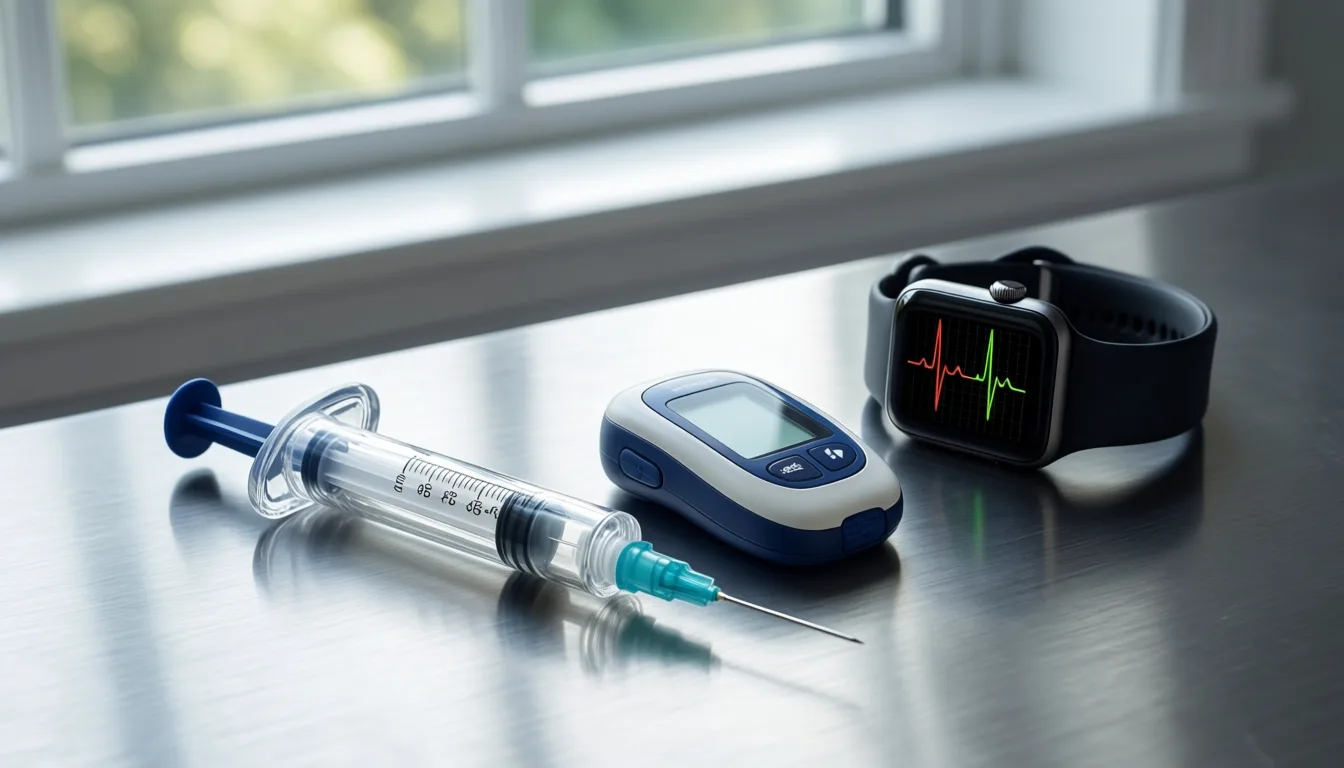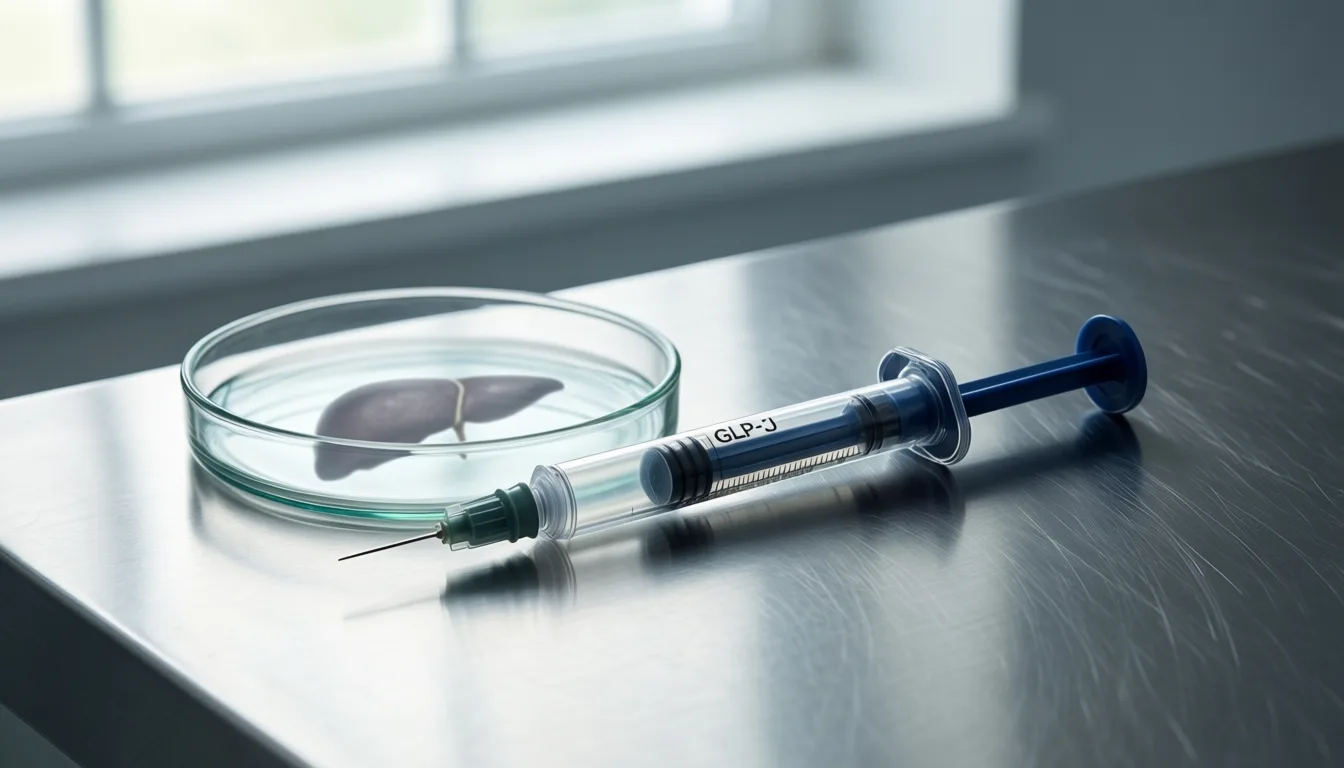
GLP-1s Beyond Glucose: Liver, Plaque, and a Pancreas Warning Shot
Semaglutide, exendin-4, and tirzepatide are pushing GLP-1 receptor agonists into hepatology and cardiology — while a fresh case report reminds us the safety ledger is still open.

Press Enter to search · Esc to close
Semaglutide, exendin-4, and tirzepatide are pushing GLP-1 receptor agonists into hepatology and cardiology — while a fresh case report reminds us the safety ledger is still open.

Ozempic and its cousins slow the stomach — and that's quietly rewriting the rules for anesthesia, sedation, and even routine dental work.
A new meta-analysis pooling seven direct comparisons gives us the cleanest apples-to-apples read yet on how the two big incretin drugs stack up for weight loss.
A 109,000-patient meta-analysis sharpens the case that GLP-1 receptor agonists are cardiometabolic drugs, not just weight-loss tools — with concrete numbers on who actually benefits.
GLP-1 receptor agonists keep pushing into new clinical territory. Two 2025 papers — a modeling review for type 1 diabetes and a case report where semaglutide lit up brown fat on a PET scan — hint at what's next.
Semaglutide and liraglutide are being studied well past their metabolic origins. Early signals point to alcohol use disorder and diabetic blood-vessel protection — but the evidence is still uneven.
Semaglutide-class drugs are rewriting cardiometabolic medicine — and quietly accumulating a safety file that gym-goers should actually read.
Two fresh syntheses sharpen the picture of how the most-talked-about GLP-1 protects the heart — and where the evidence still has gaps.
Two 2025 preclinical studies hint at where this class is heading — longer-acting molecules, beta-cell-protective stacks, and the first real challengers to semaglutide's throne.
Native GLP-1 vanishes from your bloodstream in minutes. A fatty-acid tail turns it into a once-weekly shot — but the same trick that buys time also makes the drug harder to manufacture.