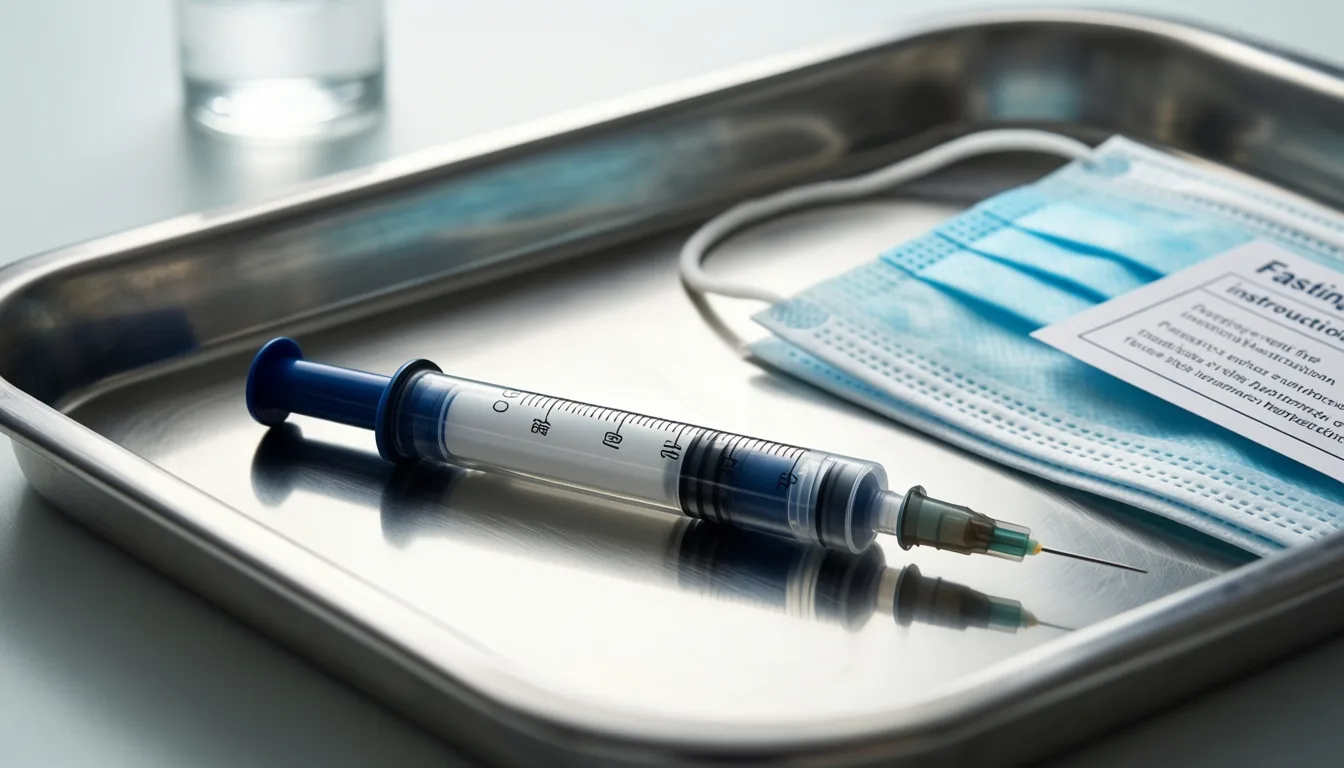
The GLP-1 Surgery Problem: What to Know Before You Go Under
Ozempic and its cousins slow the stomach — and that's quietly rewriting the rules for anesthesia, sedation, and even routine dental work.
The glow-up era has a footnote nobody put on the box. Millions of people are now optimizing their bodies on weekly GLP-1 injections — semaglutide, tirzepatide, the whole expanding cabinet — and the same mechanism that makes the drugs work, a stomach that empties more slowly, is showing up as a real problem in operating rooms, sedation suites, and even the dentist's chair. It is not a scandal. It is a protocol question, and the protocols are still being written.
The clearest current snapshot comes from a 2025 review in Anesthesia Progress, which walks through what GLP-1 and combined GLP-1/GIP receptor agonists actually do to the gut and what that means for anyone planning a procedure that involves sedation or general anesthesia. The drugs mimic endogenous incretin hormones, but with much longer half-lives — useful for managing type 2 diabetes and obesity, and increasingly used purely for weight loss. One of their core effects is decreased gastric emptying, which boosts satiety and reduces intake. That is the feature. In a procedure room, it is also the complication.
The concern is mechanical and old-fashioned: food and fluid sitting in a stomach that should be empty. Under sedation, protective airway reflexes blunt. If retained gastric contents come back up, they can be inhaled into the lungs — pulmonary aspiration — which is rare but serious. The review notes that retained gastric contents on GLP-1 therapy can elevate the risk of emesis and subsequent aspiration in the perioperative period. That single sentence is the reason your pre-op paperwork may now ask whether you're on one of these drugs.
Why the dental chair matters here
It is tempting to file this under "big surgery only." The review pointedly does not. Office-based sedation for dentistry — wisdom teeth, implants, deeper cleanings under IV sedation — is exactly where a sedation provider is most likely to meet a patient quietly taking a GLP-1, sometimes without flagging it as a "real" medication. The authors frame the rising prevalence directly, noting that use of these drugs for weight loss has grown exponentially, raising the likelihood that a dental sedation or anesthesia provider will encounter a patient on one. Translation: if you're on a weekly pen and you're booked for anything more than a numbing shot, the drug belongs on the intake form.
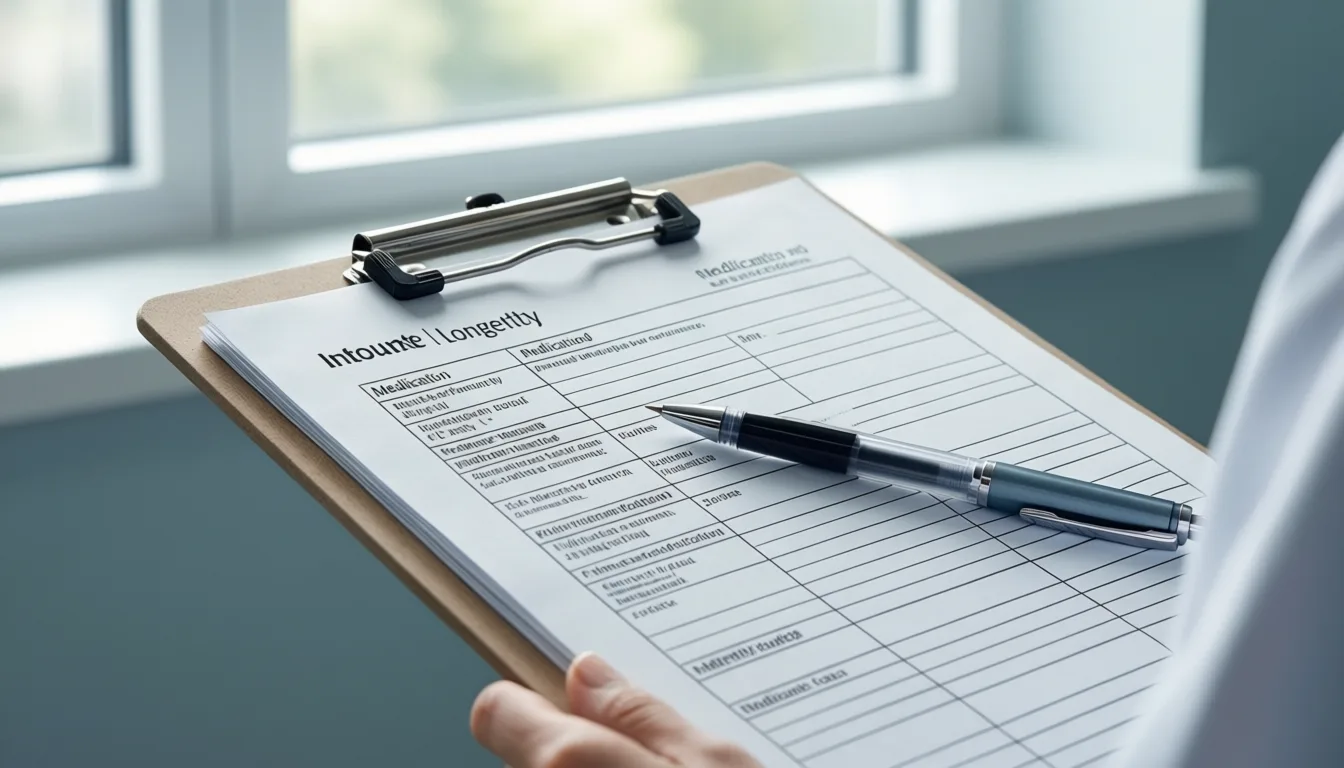
The medication line that used to be a footnote is now part of the airway plan.
What the current guidance actually says
In 2024, a multisociety guidance document was published to help clinicians manage these patients around procedures. The review's read of it is notably measured: rather than a blanket "stop the drug" rule, the recommendations emphasize risk-stratifying individual patients and weighing the risks versus the benefits of holding or continuing the GLP-1. That is the tone to internalize. The evidence base is still maturing, the drugs differ, the doses differ, and the procedure types differ. A one-size pause is not the answer the field has landed on.
What that looks like in practice — and what your clinician will weigh — includes how long you've been on the drug, your dose and how recently you injected, whether you have symptoms of slowed gastric emptying like nausea or fullness, the depth of sedation planned, and how time-sensitive the procedure is. None of this is something to self-prescribe around. Skipping a dose to "be safe" can matter for people using the drug for diabetes; continuing without disclosure can matter for the airway. The decision is a conversation, not a Google search.
The drug that's quietly reshaping your body is also quietly reshaping your pre-op checklist.
How to walk into your next procedure
- Disclose the drug, every time. Semaglutide, tirzepatide, liraglutide and similar belong on every pre-procedure intake form — including for dental sedation.
- Ask about fasting, specifically. Standard "nothing after midnight" rules may not be enough; your clinician may extend clear-liquid and solid-food windows based on current guidance.
- Don't unilaterally stop dosing. Whether to hold a dose is a clinical call that weighs aspiration risk against glycemic control and the reason you're on the drug.
- Flag GI symptoms honestly. Nausea, bloating, or feeling full long after meals are signals the stomach may still be loaded — say so before sedation.
- Match the conversation to the procedure. Deeper sedation and general anesthesia raise the stakes versus local-only work; ask what level is actually planned.
- Treat the evidence as moderate, not settled. Recommendations are evolving; expect your clinic's protocol to update.

Risk stratification, not a blanket rule — the current posture in most sedation suites.
The honest framing: GLP-1s remain one of the more consequential tools to land in metabolic medicine in a generation, and the perioperative wrinkle is a manageable footnote, not a verdict on the class. What the Anesthesia Progress review really argues, between the lines, is that the bottleneck is communication. The drug works because the stomach is slower. The procedure is safer when the team planning your airway knows that. Tell them. Then let them do their job.
Frequently asked questions
Why do GLP-1 medications create a problem during sedation or anesthesia?
GLP-1 drugs slow gastric emptying, which means food and fluid can remain in the stomach longer than expected. Under sedation, protective airway reflexes are blunted, so retained stomach contents can come back up and be inhaled into the lungs — a complication called pulmonary aspiration that is described in the article as rare but serious.
Does this risk apply to dental procedures, or only major surgeries?
The article explicitly includes dental sedation — procedures like wisdom tooth removal or implants done under IV sedation — as settings where this risk applies. It notes that patients on GLP-1s may not flag the medication as a 'real' drug, making disclosure on the intake form especially important for anything beyond a local numbing shot.
Should I just stop taking my GLP-1 before a scheduled procedure to be safe?
The article advises against making that call on your own. The 2024 multisociety guidance emphasizes risk-stratifying individual patients rather than applying a blanket stop rule, and skipping a dose can affect glycemic control for people using the drug for diabetes. The decision is described as a conversation with your clinician, not something to self-prescribe around.
What should I tell my care team before going under sedation?
The article says to disclose your GLP-1 medication on every pre-procedure intake form and to honestly report any GI symptoms such as nausea, bloating, or feeling full long after meals, since these can signal that the stomach may still contain contents. You should also ask specifically about fasting instructions, as standard 'nothing after midnight' rules may not be sufficient.
Are the current recommendations on this topic final and settled?
No. The article describes the evidence base as still maturing and notes that the available sources are a review and a multisociety guidance document rather than randomized trials. It advises asking your clinician what protocol their facility is using at the time of your procedure, since specifics around dosing, hold periods, and fasting windows are expected to keep evolving.
Join the conversation
Comments are moderated and reviewed before they appear. Be constructive — this is health information.
Add your comment