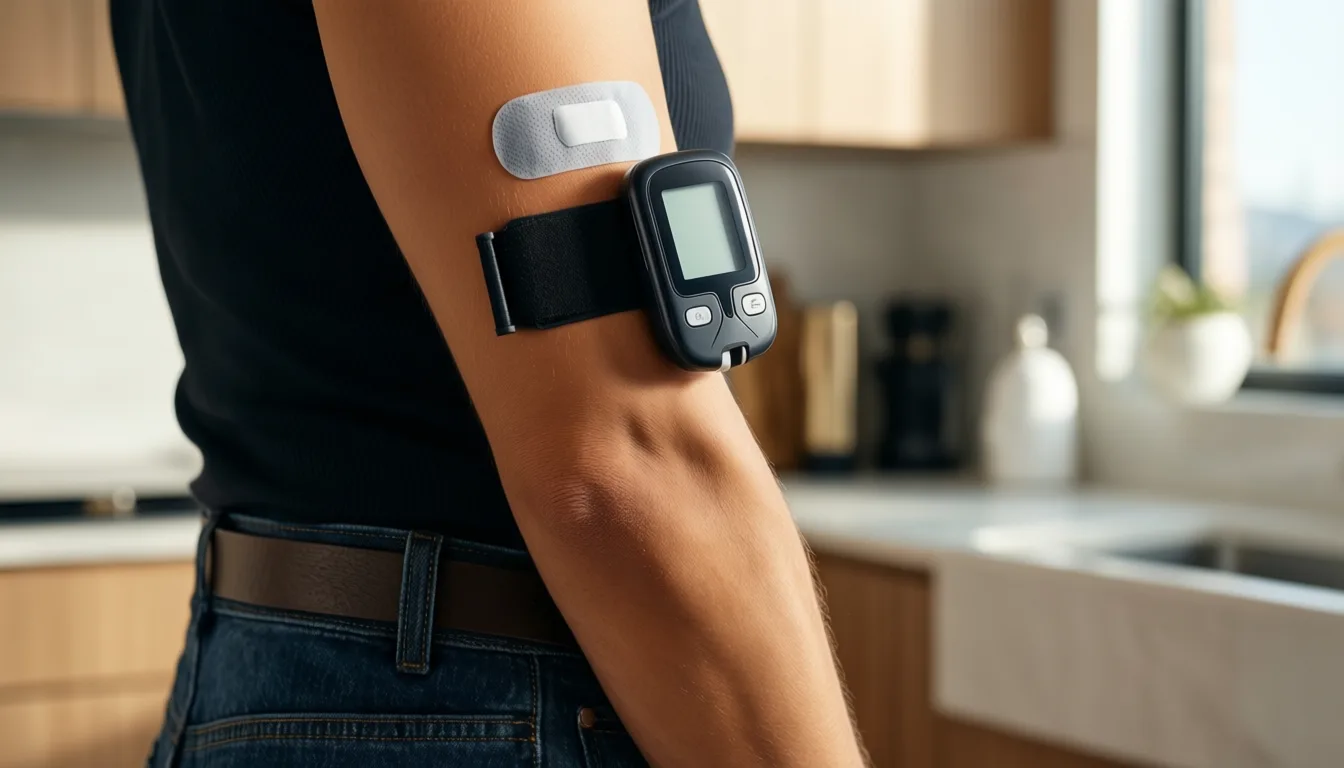
Closed-Loop Insulin Comes for Type 2 Diabetes: Inside the MiniMed 780G Evidence
A 95-patient multi-site study suggests advanced hybrid closed-loop pumps — long the domain of type 1 diabetes — can safely tighten glucose control in insulin-using adults with type 2. The results are encouraging, and worth reading carefully.
For nearly two decades, the most sophisticated insulin technology on the market — pumps that talk to continuous glucose monitors and adjust dosing on their own — has been built around a relatively small population: people with type 1 diabetes. Type 2, the far larger and more heterogeneous condition, has been treated mostly with pills, lifestyle prescriptions, and, when needed, manual insulin injections. A new multi-site study published in Diabetes Technology & Therapeutics begins to redraw that line. It asks a question that, until recently, was considered slightly exotic: what happens when you give insulin-requiring adults with type 2 diabetes the same closed-loop algorithm that has been quietly transforming type 1 care?
- What the study did. 95 insulin-using adults with type 2 diabetes used Medtronic's MiniMed 780G advanced hybrid closed-loop system across 13 sites for roughly three months.
- What it found. Average HbA1c fell from 7.9% to 7.2%, and time-in-range reached about 81% — well above conventional targets.
- Safety signal. The study reported no severe hypoglycemia, diabetic ketoacidosis, or hyperosmolar hyperglycemic events during the closed-loop period.
- What it isn't. A single-arm, open-label, 90-day study — promising, but not the randomized, long-term evidence regulators and clinicians ultimately want.
- Why it matters. Type 2 diabetes affects vastly more people than type 1; even modest gains, applied at scale, change population-level outcomes.
The technology, briefly
An advanced hybrid closed-loop, or AHCL, system has three parts: a continuous glucose monitor that samples interstitial glucose every few minutes, an insulin pump that delivers rapid-acting insulin under the skin, and an algorithm that sits between them. The algorithm reads the glucose trend, anticipates where it is heading, and adjusts background insulin automatically — increasing it when glucose is rising, suspending it when glucose is falling. The user still announces meals; the system handles the rest. The MiniMed 780G is one of the most widely deployed examples of this category.
In type 1 diabetes, where the pancreas produces essentially no insulin, this kind of automation is the closest thing medicine currently offers to a biological replacement. In type 2 diabetes, insulin resistance and partially preserved insulin production change the math. Whether the same algorithm would behave sensibly in that physiology was, until recently, an open question.
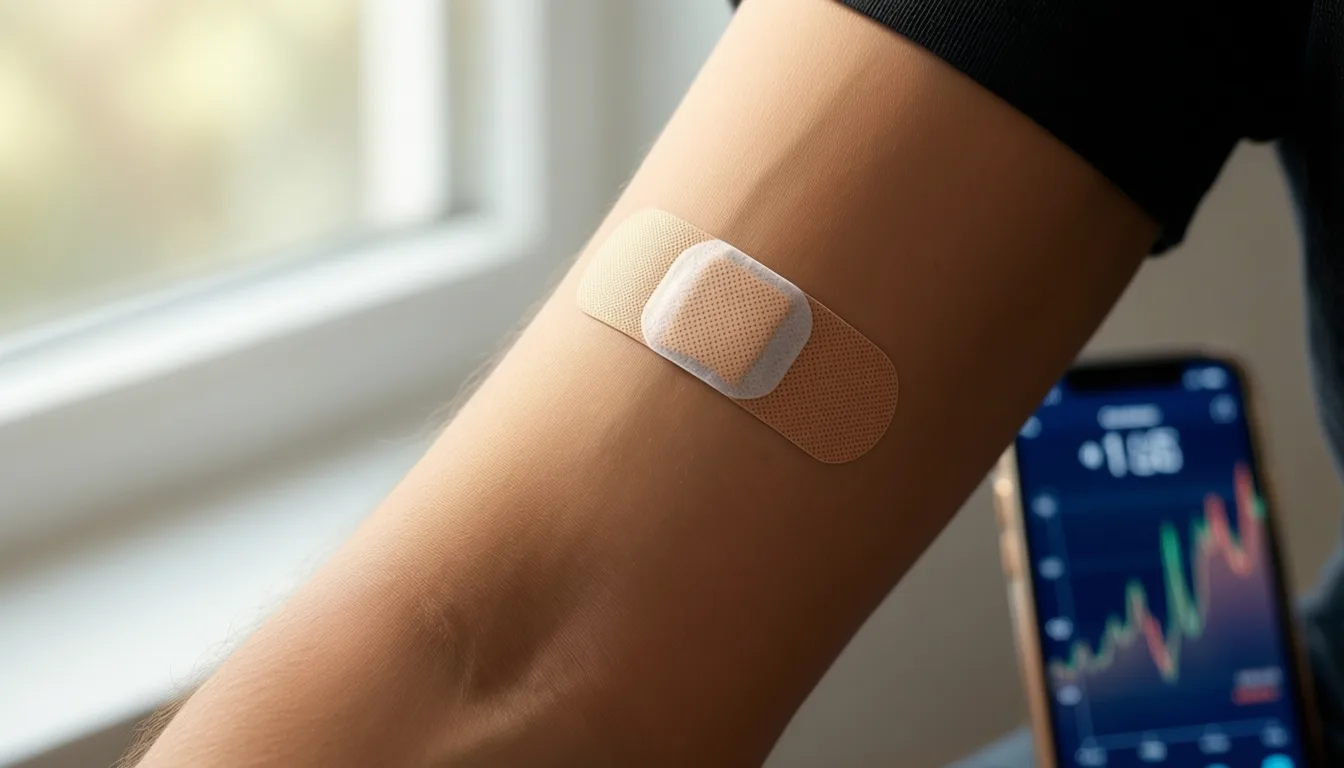
Closed-loop systems pair a glucose sensor with an algorithm-driven insulin pump that adjusts dosing every few minutes.
What the IMPACT2D study actually measured
The IMPACT2D study enrolled 95 adults on basal-bolus insulin therapy across 13 sites in the United States. Participants were, on average, 60 years old and had lived with type 2 diabetes for nearly 19 years — a group with established disease, not new diagnoses. After a roughly three-week run-in on their usual regimen or a basic hybrid closed-loop, they switched to the MiniMed 780G's automated mode for about 90 days.
The headline metrics moved in the right direction. Mean HbA1c — the standard three-month average of blood glucose — dropped from 7.9% to 7.2%, a clinically meaningful change for a population already on intensive insulin. Time-in-range, defined as the percentage of readings between 70 and 180 mg/dL, reached an estimated 80.9%. For context, professional guidelines typically set 70% as the target for most adults with diabetes; many insulin-using patients live well below it.
The algorithm that quietly transformed type 1 care is now being tested in a population orders of magnitude larger.
The safety picture
Tighter glucose control is only useful if it does not come at the cost of dangerous lows. The classic worry with intensified insulin therapy is severe hypoglycemia — episodes requiring outside help. The companion concerns in type 2 specifically are diabetic ketoacidosis (DKA), which is less common than in type 1 but possible, and hyperosmolar hyperglycemic state (HHS), a serious complication of very high glucose. The study reported none of these events during the closed-loop period in this cohort.
That is a reassuring signal, but it deserves to be read with the right resolution. Ninety days in 95 carefully selected, experienced insulin users at academic and specialty sites is not the same as years of real-world use across thousands of patients with varying literacy, access, and comorbidities. Rare events are, by definition, hard to detect in small samples.

Closed-loop systems still require an engaged clinician and a patient willing to engage with the data.
How to read a single-arm study
This is where the editorial caution lives. IMPACT2D is a single-arm, open-label trial: every participant received the device, and both participants and investigators knew it. That design is reasonable for an early-stage device study, but it cannot fully separate the algorithm's contribution from the effects of more attention, more sensor data, more coaching, and the simple act of being enrolled in a trial. A randomized comparison against optimized standard insulin therapy — with similar visit frequency in both arms — is the next, harder question.
The population also matters. Participants were on basal-bolus insulin, meaning they were already used to counting carbohydrates, bolusing for meals, and interpreting glucose data. Many people with type 2 diabetes who use insulin take only a basal dose, or struggle with the cognitive load of mealtime dosing. Whether the same gains translate to that broader group is genuinely unknown.
The practical takeaway
For readers who do not have diabetes, the story is a useful data point in a broader trend: algorithms that used to live in specialist clinics are migrating into wearable hardware, and the populations they serve are widening. For readers who do — or who care for someone who does — the honest message is that this is encouraging, moderate-strength evidence, not a settled standard of care. Decisions about pumps, sensors, and insulin regimens belong in a conversation with an endocrinologist or diabetes care team who knows the individual case.
The interesting frontier is no longer whether closed-loop insulin delivery works in type 1 diabetes. It is whether the same approach, tuned for a different physiology, can deliver the same kind of quiet, day-by-day improvement to the much larger group of people who happen to have ended up needing insulin for a different reason. The MiniMed 780G data is a first serious answer. It will not be the last.
Frequently asked questions
How does the MiniMed 780G closed-loop system actually work?
The system has three parts: a continuous glucose monitor that samples interstitial glucose every few minutes, an insulin pump that delivers rapid-acting insulin under the skin, and an algorithm that sits between them. The algorithm reads the glucose trend, anticipates where it is heading, and adjusts background insulin automatically — increasing it when glucose is rising and suspending it when glucose is falling. The user still announces meals; the system handles the rest.
What were the key results of the IMPACT2D study?
Mean HbA1c dropped from 7.9% to 7.2% over the roughly 90-day closed-loop period, which the article describes as a clinically meaningful change. Time-in-range — the percentage of glucose readings between 70 and 180 mg/dL — reached 80.9%, well above the 70% target that professional guidelines typically set for most adults with diabetes.
Were there any serious safety events reported in the study?
The study reported no severe hypoglycemia, diabetic ketoacidosis, or hyperosmolar hyperglycemic events during the closed-loop period. However, the article notes that 90 days in 95 carefully selected patients at academic and specialty sites is not the same as years of real-world use across thousands of patients with varying literacy, access, and comorbidities.
Why isn't this study considered definitive proof that closed-loop pumps work for type 2 diabetes?
IMPACT2D was a single-arm, open-label trial, meaning every participant received the device and both participants and investigators knew it. That design cannot fully separate the algorithm's contribution from the effects of more attention, more sensor data, more coaching, and simply being enrolled in a trial. The article identifies a randomized comparison against optimized standard insulin therapy as the next, harder question.
Does this study apply to all people with type 2 diabetes who use insulin?
Not necessarily. Participants were already on basal-bolus insulin therapy, meaning they were experienced with counting carbohydrates, bolusing for meals, and interpreting glucose data. The article notes that many people with type 2 diabetes who use insulin take only a basal dose or struggle with the cognitive load of mealtime dosing, and whether the same gains translate to that broader group is described as genuinely unknown.
Sources
- Safety and Effectiveness of MiniMed 780G Advanced Hybrid Closed-Loop Insulin Intensification in Adults with Insulin-Requiring Type 2 Diabetes. — Diabetes technology & therapeutics
Join the conversation
Comments are moderated and reviewed before they appear. Be constructive — this is health information.
Add your comment