Preemptive Medicine Arrives: Digital Twins, Continuous Sensing, and the End of Reactive Care
Omics, wearables, and AI are converging into computational mirrors of your physiology. A new review maps how close we actually are to predicting disease before it shows up in the mirror — or the lab.
The most flattering mirror in your future may not be made of glass. It will be a running simulation of you — fed by your genome, your blood chemistry, your sleep stages and step counts — quietly forecasting which version of your face, your skin, your metabolism is most likely to arrive in five, ten, twenty years. The looksmaxing crowd has spent the last decade optimizing what is already visible. The next decade belongs to people who optimize what hasn't happened yet. A 2024 review in the JMA Journal argues that the scaffolding for that shift — what researchers call preemptive medicine — is finally coming together.
The pitch is simple, even if the machinery isn't. Instead of waiting for a symptom, a flagged lab value, or a diagnosis, preemptive medicine tries to model your physiology continuously and intervene before the curve bends the wrong way. The review frames it as a paradigm shift: away from reactive treatment, toward proactive disease prevention built on three converging stacks — omics, the Internet of Things, and AI.
Each stack on its own is familiar. Genomics tells you what you were dealt. Proteomics and metabolomics tell you how those cards are currently being played at the molecular level. Wearables and smartphones add a second timescale: heart rate variability overnight, glucose excursions after lunch, how your gait shifts the week you sleep badly. AI is the connective tissue, looking for patterns across data that no clinician has time — or training — to read end to end.
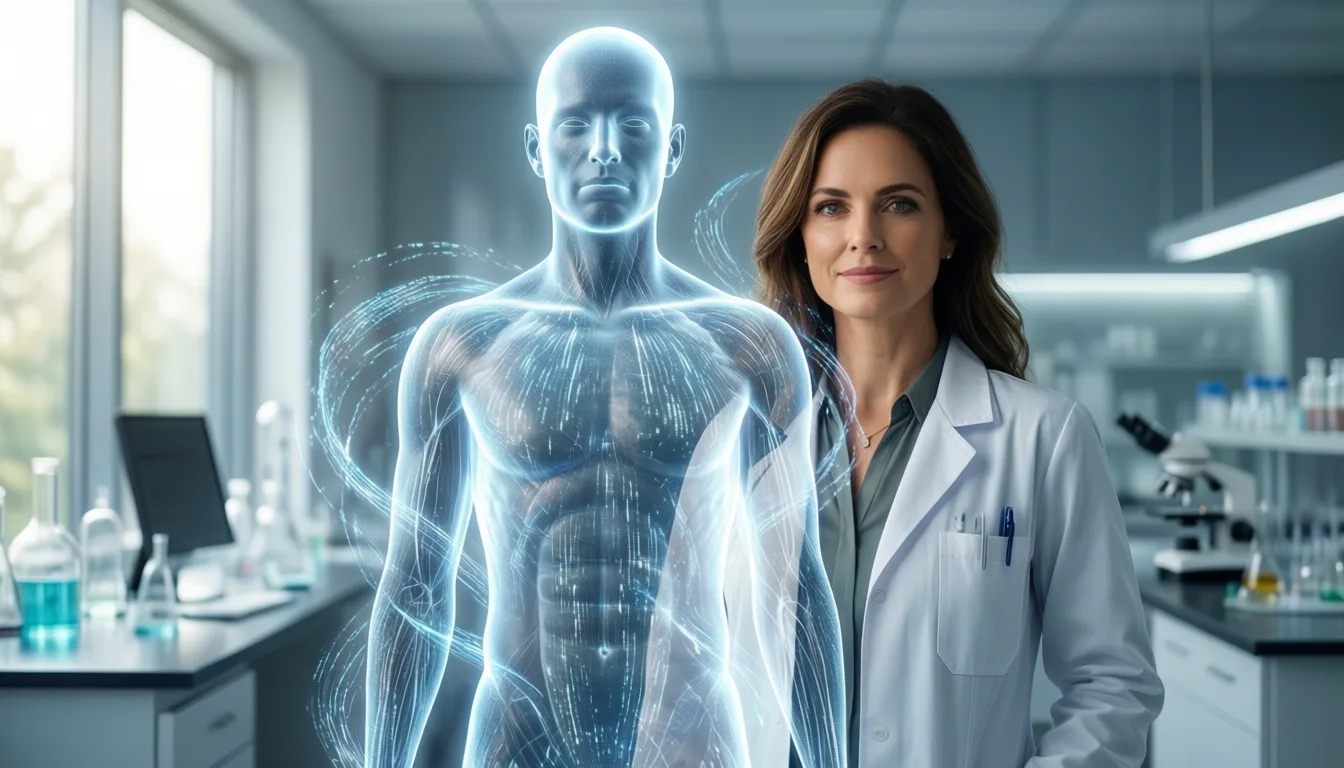
What a 'medical digital twin' actually is
Strip the marketing and a medical digital twin is a virtual replica of an individual's biological processes — a computational stand-in detailed enough to simulate human physiological profiles, predict future health outcomes, and run virtual individual clinical trials. In theory, your twin lets a clinician test an intervention on the simulation before trying it on you: a different sleep schedule, a new lipid-lowering strategy, a training block, a supplement stack.
That last possibility is what makes the concept genuinely novel. Today, clinical evidence is built on population averages. A digital twin, fed by your own omics and sensor data, is supposed to collapse that gap — letting the n=1 experiment run in silico first, then in your body second.
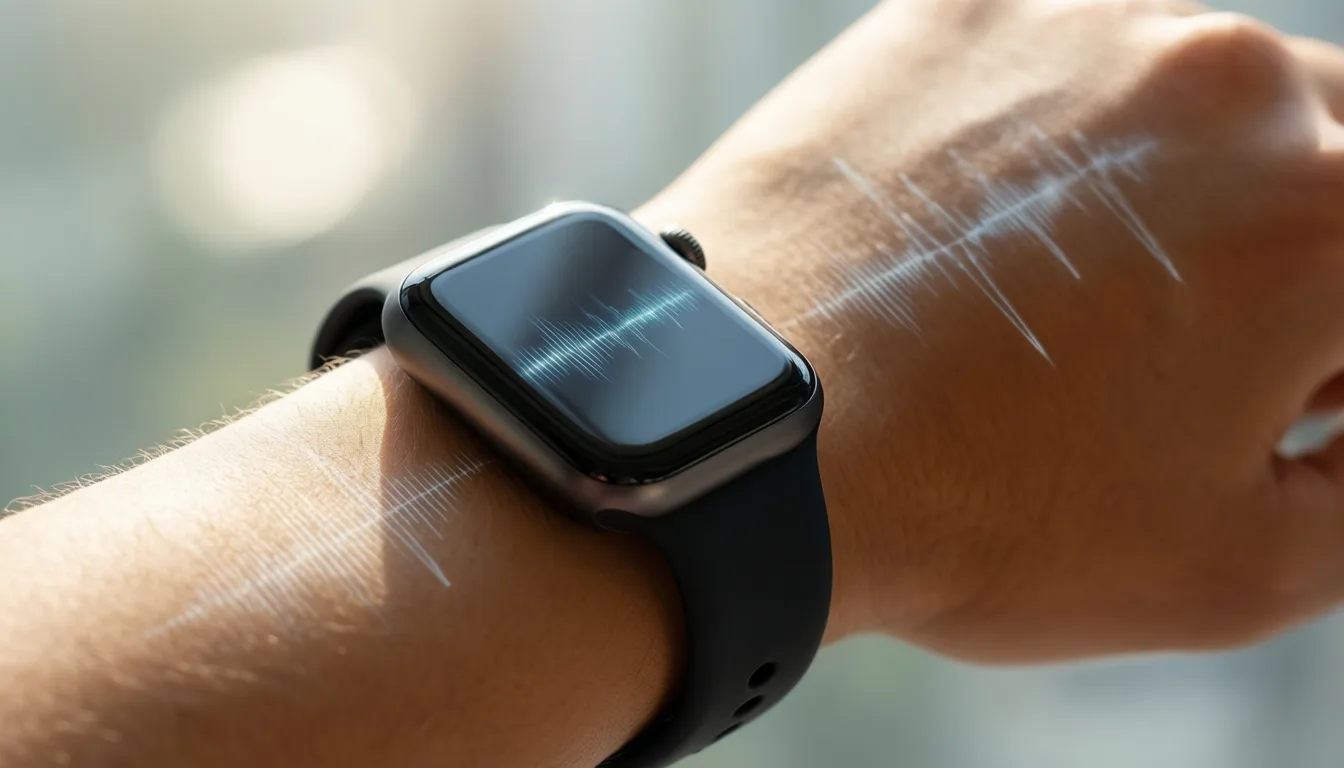
Continuous sensing turns episodic check-ups into a running stream — the raw material a digital twin needs to mean anything.
The most flattering mirror in your future may not be made of glass. It will be a running simulation of you.
Why the looksmaxing reader should care
Appearance is downstream of physiology. Skin quality tracks inflammation and glycation. Hair density tracks androgens, thyroid, iron, stress load. Body composition tracks sleep, training, and metabolic flexibility. Posture and facial fullness track sarcopenia and bone turnover decades before they become visible. The promise of preemptive medicine isn't a sharper jawline tomorrow — it's catching the slow-moving inputs that quietly shape how you'll look at 45, 60, 75.
The review's logic applies here directly: omics reveal disease predispositions and health trajectories, while wearables provide a dynamic view of an individual's health status. Translated into glow-up terms: your genome hints at where you're vulnerable; your sensors show whether your current routine is making that vulnerability better or worse, week by week.
How close are we, really?
This is where the evidence rating earns its keep. The JMA Journal piece is a review, not a randomized trial — it maps a direction of travel, not a finished destination. It describes the convergence and its potential, framing digital twins as the cornerstone of preemptive medicine rather than reporting that twins have already prevented disease at scale.
The components are real and shipping. Consumer-grade continuous glucose monitors, sleep-staging rings, and ECG-capable watches are already in mainstream use. Multi-omic testing has dropped in price faster than most observers predicted. Foundation models are being trained on biomedical data. What hasn't been demonstrated yet — at population scale, with hard outcomes — is that stitching all of this into a personal twin actually changes who gets sick and when. That gap is the honest center of the story.
There are also unglamorous problems. Sensor noise. Data fragmentation across apps that don't talk to each other. Models trained on populations that don't look like the person being modeled. Privacy questions about what happens to a complete molecular and behavioral portrait of you once it leaves your phone. The review acknowledges the promise; the work of proving it falls to the next decade.
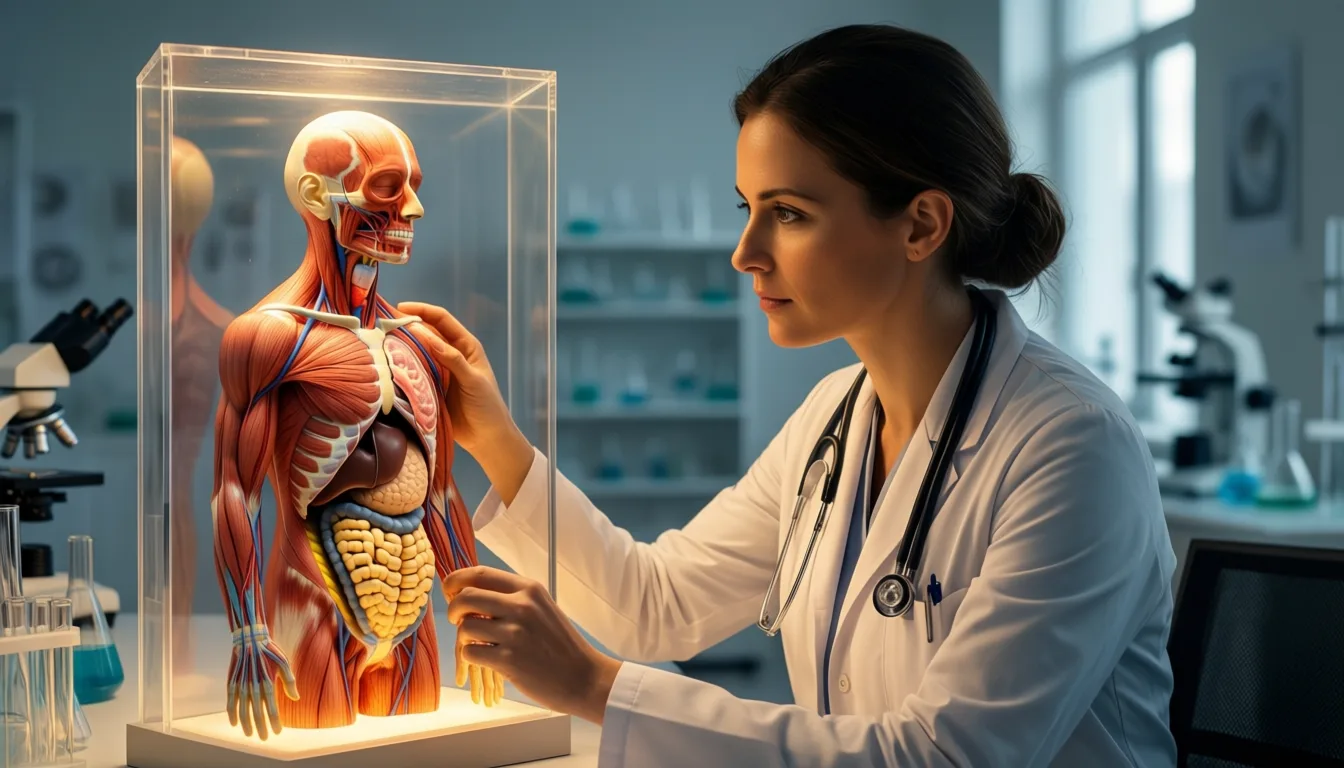
The hard part isn't building the twin. It's proving it changes outcomes.
What a thoughtful early adopter does now
You don't need a digital twin to behave like someone who will eventually have one. The behaviors that feed a good model are the same ones that quietly compound on your face and frame: consistent sleep windows, resistance training, protein adequacy, sunlight in the morning, alcohol kept modest, bloodwork pulled often enough to spot a trend rather than a crisis. Wearables are most useful when they catch drift — a creeping resting heart rate, a shrinking deep-sleep block — early enough to fix with behavior rather than pharmacology.
The looksmaxing instinct to measure obsessively is, in this light, ahead of medicine rather than behind it. The discipline to add is interpretive humility: a single night's score is noise, a quarter's trend is signal, and neither replaces a clinician who knows your context.
- The thesis. Preemptive medicine reframes care from reacting to symptoms to predicting and preventing disease using omics, wearables, and AI.
- The digital twin. A computational replica of your physiology that could, in principle, simulate interventions before you try them.
- The evidence. A 2024 JMA Journal review maps the convergence; population-scale outcomes data is still pending.
- The glow-up angle. Skin, hair, body composition and posture are downstream of metabolic and hormonal signals these systems are designed to track.
- The honest caveat. Components are real and improving; integration, validation, and privacy remain unsolved.
- The move. Build the habits and the data trail now; bring the patterns to a clinician who can interpret them.
Frequently asked questions
What is a medical digital twin?
A medical digital twin is a virtual replica of an individual's biological processes — a computational stand-in detailed enough to simulate human physiological profiles, predict future health outcomes, and run virtual individual clinical trials. The idea is that a clinician could test an intervention on the simulation before trying it on you, such as a different sleep schedule or a new lipid-lowering strategy.
What are the three technology stacks driving preemptive medicine?
The article identifies omics, the Internet of Things, and AI as the three converging stacks. Omics (genomics, proteomics, metabolomics) reveal what you were dealt and how those factors are playing out at the molecular level, wearables and smartphones add a continuous real-time layer, and AI looks for patterns across all of that data.
Has preemptive medicine using digital twins actually been proven to prevent disease?
Not yet at population scale. The 2024 JMA Journal piece the article draws on is a review that maps a direction of travel rather than reporting that digital twins have already prevented disease at scale. The components — continuous glucose monitors, sleep-staging rings, multi-omic testing — are real and available, but stitching them into a personal twin that demonstrably changes who gets sick and when has not yet been demonstrated.
Why should someone focused on appearance care about preemptive medicine?
According to the article, appearance is downstream of physiology — skin quality tracks inflammation and glycation, hair density tracks androgens and thyroid function, and body composition tracks sleep and metabolic flexibility. The promise is catching the slow-moving inputs that quietly shape how someone looks at 45, 60, or 75, well before those changes become visible.
What practical steps does the article recommend while this technology matures?
The article suggests building the habits that would feed a good model anyway: consistent sleep windows, resistance training, adequate protein, morning sunlight, modest alcohol intake, and bloodwork pulled frequently enough to spot a trend rather than a crisis. It also advises interpretive humility — treating a single night's data as noise and a quarter's trend as signal — and bringing patterns to a clinician who can interpret them.
Join the conversation
Comments are moderated and reviewed before they appear. Be constructive — this is health information.
Add your comment