
Gordon Hale
Senior Columnist
Men 60 and older focused on heart health, strength and independence
Gordon Hale is a senior columnist covering the science of aging well for men in their seventh decade and beyond — heart, strength, brain and the practical business of staying independent. He favors evidence over excitement and the long view over the quick fix.
Latest articles
Building a Nutrition-Based Aging Clock: A New Way to Read the Years
Chinese researchers built an early-stage 'aging clock' from amino acids, vitamins and oxidative-stress markers — a promising step toward biological age you might actually be able to nudge.
BMI Trajectories and the Epigenetic Clock: Your Weight History Leaves a Methylation Footprint
A new analysis of more than 3,000 older Americans suggests that decades of weight patterns — not just today's number on the scale — interact with inherited obesity risk to nudge the body's biological clock forward.

The New Biomarkers of Biological Age: From the Air You Breathe to the Repeats in Your DNA
Two fresh studies sharpen what 'biological age' actually measures — one tracing it to the air outside your window, the other to quiet patterns deep in the genome of people who reach 100.
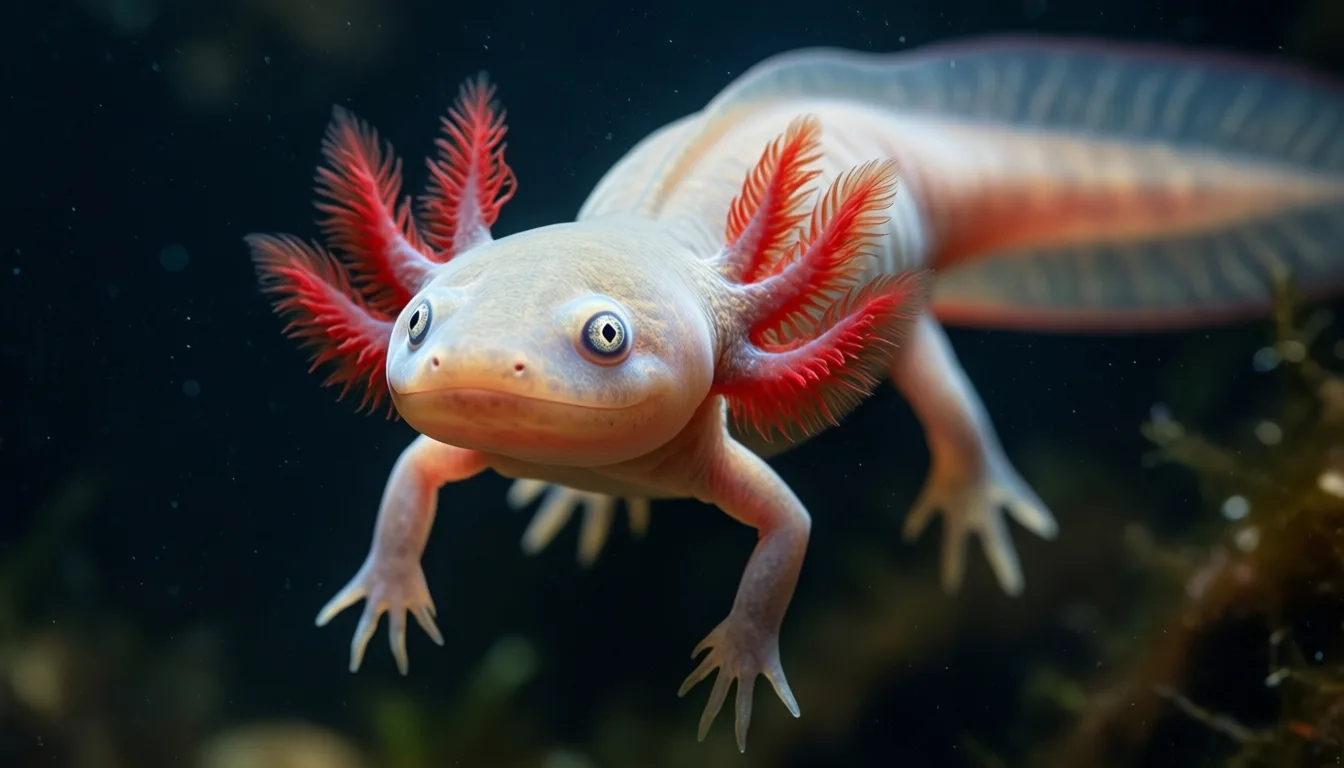
What a Century-Old Cave Salamander Might Teach Us About Slow Aging
Researchers have mapped the first full transcriptome of the olm, an amphibian that lives more than 100 years in the dark. The early findings hint at how some animals stretch a lifespan — and why human biology might one day borrow the trick.

Menopause Timing May Be an Early Warning Light for Brain Aging
A large multiomic study links later menopause with healthier prefrontal cortex aging decades on — a finding worth knowing for the women in your life, and for what it suggests about how the body ages as one system.

Loneliness as a Vital Sign: What 14 Years of UK Data Reveal About Staying Independent
A long-running English study suggests that persistent loneliness — not the occasional lonely week — quietly raises the odds of functional decline and earlier death. The signal is moderate, but it deserves a place alongside blood pressure and grip strength.

What Companion Dogs Are Teaching Us About Human Aging
The Dog Aging Project's Precision Cohort turns 1,000 family pets into a living laboratory for geroscience — and a useful mirror for the rest of us.

The Aging Brain Under Pressure: How Refined Diets and Dirty Air Quietly Speed Decline
Two 2025 studies sharpen an uncomfortable idea: what we eat and what we breathe may be shaping the aging brain as forcefully as the genes we inherit.
The CALERIE Receipts: A New Genomic Window Into How Caloric Restriction Shapes Human Aging
Researchers have released a multi-tissue genomic dataset from the only long-term randomized trial of caloric restriction in healthy adults. It won't tell you what to eat tomorrow — but it may finally show how eating less rewires the biology of getting older.
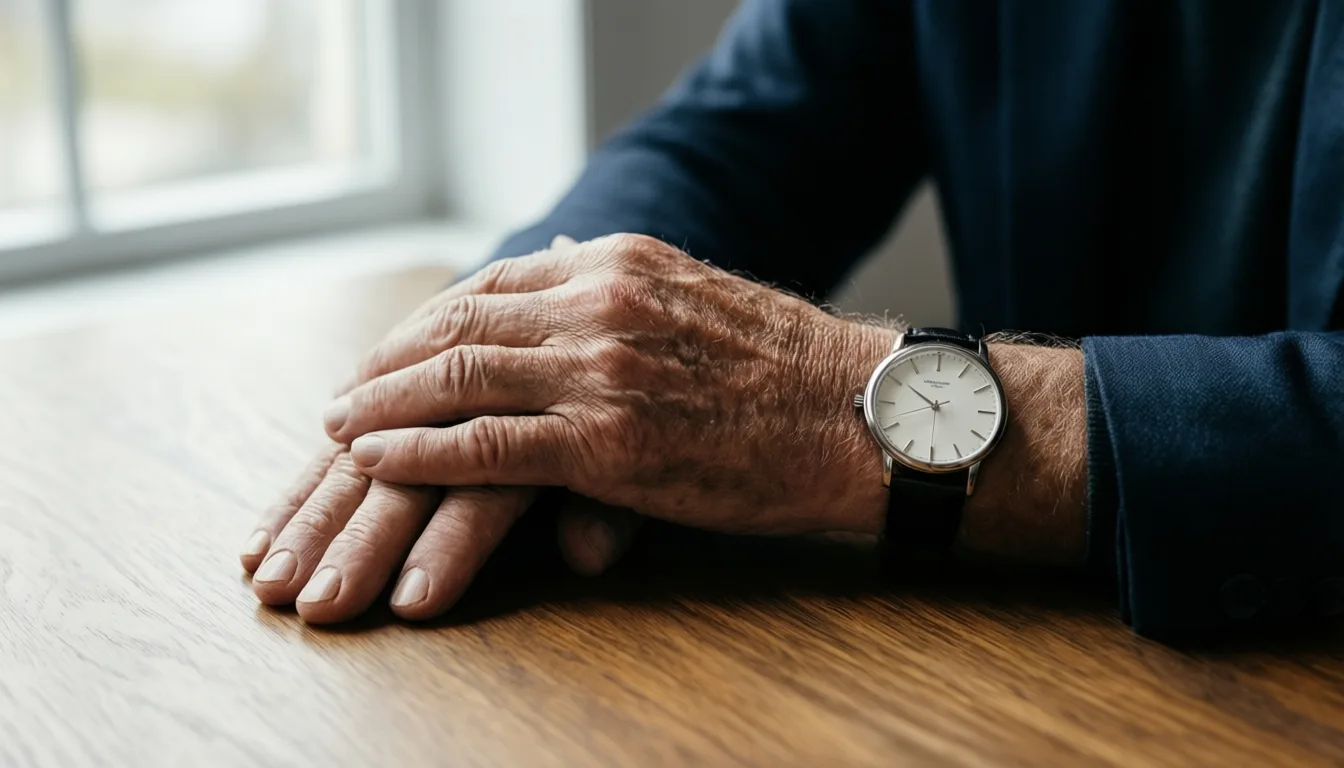
Measuring How Old You Really Are: Biological-Age Clocks Get a Population-Scale Test
A 100,000-person Chinese validation shows phenotypic age scores can predict mortality reasonably well — and reminds us why the consumer versions still overreach.
IL-11, the Inflammaging Switch: Can Blocking One Cytokine Extend Healthspan?
Two new commentaries spotlight a single signaling molecule as a clean lever on age-related inflammation. The mouse data are striking. The human verdict is years away.
Better Biological Clocks: Mortality-Trained Aging Tests Edge Closer to Useful
A new clinical clock called LinAge2 is trained to predict survival, not just guess your age — a quiet but meaningful shift for anyone paying for an epigenetic age test.