Measuring Biological Age: From PAI-1 to a Clinically Practical PCAge Score
Two 2025 papers move biological-age measurement closer to the clinic — one builds a risk score from routine bloodwork, the other names a druggable target in the aging heart.

Press Enter to search · Esc to close
Two 2025 papers move biological-age measurement closer to the clinic — one builds a risk score from routine bloodwork, the other names a druggable target in the aging heart.
A new systematic review reframes age-related strength loss as a problem of failing wires, not shrinking cables — and it changes what screening and training after 60 should look like.
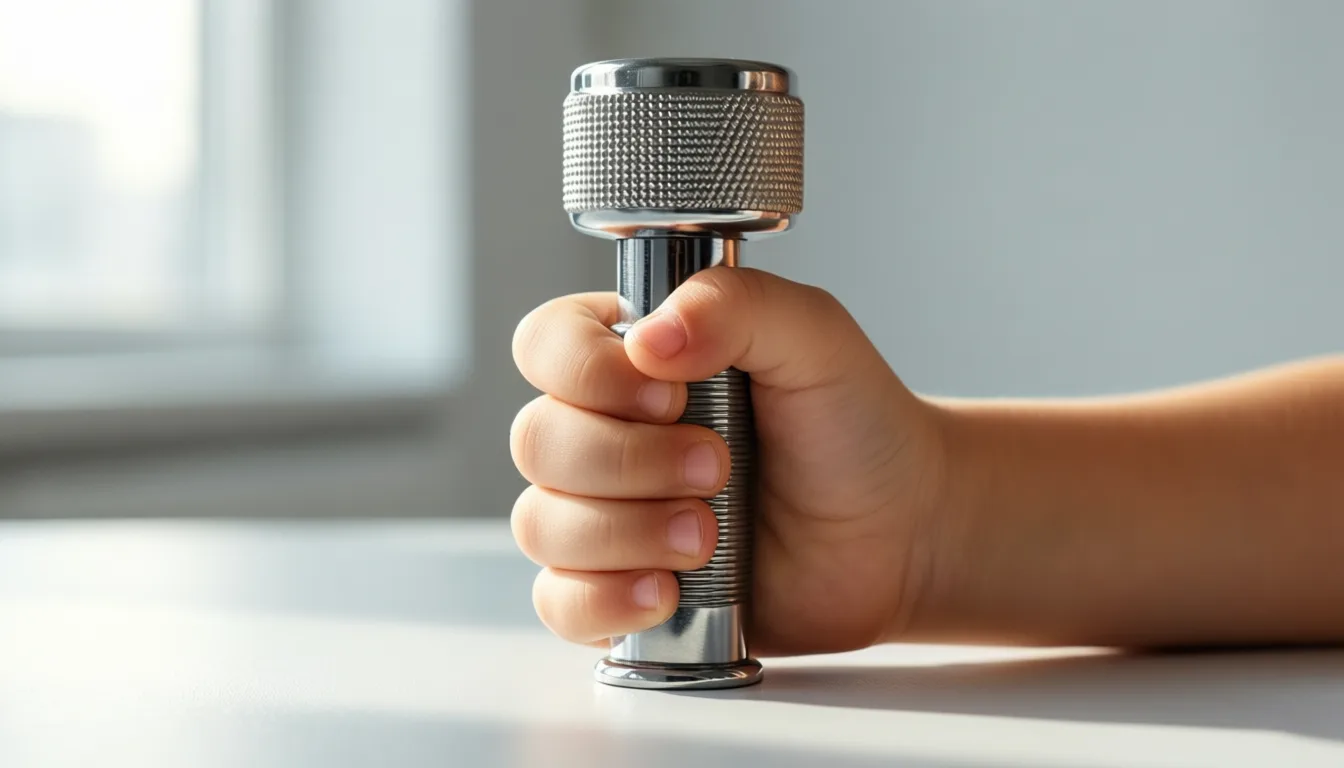
A new diagnostic study and meta-analysis put sex-specific handgrip thresholds on the table for 8–11 year-olds, extending a longevity proxy adults already obsess over into childhood.
A cluster of 2024–2025 papers is dragging biological-age science out of the speculative zone and into the realm of measurable prediction. The signal is real — but so are the caveats.
Two new papers — a framework for what a real aging biomarker must do, and a label-free way to read it inside mitochondria — suggest biological age is finally becoming measurable science.
A new GeroScience analysis argues the machine-learning clocks behind today's biological-age tests optimize for math, not biology — and miss inflammation in the process.
A large deep-learning study suggests the gap between your retina's biological age and your calendar age tracks with chronic disease risk. The eye, it turns out, may be a useful longevity dashboard.
At-home longevity tests are graduating from gimmick to research-grade. Here's what second-generation DNA clocks and saliva-based oxidative stress assays actually measure — and what they still can't tell you.
A landmark UK Biobank analysis maps the proteins that track how fast we're really aging. The science is promising, the consumer tests are not quite ready.