
In This Issue
Longevity
-
 The Sleep Secret Hiding in Your Calendar: Why Staying Busy May Outrank Workouts After 60
A 13-year cohort study following more than 1,000 older adults suggests that a varied, engaged life — not just exercise — tracks with better sleep in later decades.
The Sleep Secret Hiding in Your Calendar: Why Staying Busy May Outrank Workouts After 60
A 13-year cohort study following more than 1,000 older adults suggests that a varied, engaged life — not just exercise — tracks with better sleep in later decades.
-
 Three Quiet Signals of How You're Actually Aging
New 2025 population research points to surprisingly accessible markers — what's in your urine, the length of your reproductive years, and a single honest question about your health — that track biological age.
Three Quiet Signals of How You're Actually Aging
New 2025 population research points to surprisingly accessible markers — what's in your urine, the length of your reproductive years, and a single honest question about your health — that track biological age.
-
 Senolytics Go Mainstream: Killing Zombie Cells to Save Aging Bones
Two 2025 studies converge on a striking thesis — that clearing senescent cells, with drugs or even intermittent pressure, may halt age-related bone loss in mice. Here's what the preclinical signal actually says.
Senolytics Go Mainstream: Killing Zombie Cells to Save Aging Bones
Two 2025 studies converge on a striking thesis — that clearing senescent cells, with drugs or even intermittent pressure, may halt age-related bone loss in mice. Here's what the preclinical signal actually says.
-
 Sirolimus for Longevity: The First Formal Reckoning on Off-Label Anti-Aging Use
A transplant drug has become the longevity movement's favorite gamble. Now clinical pharmacologists are saying, in plain language, that the evidence isn't there yet.
Sirolimus for Longevity: The First Formal Reckoning on Off-Label Anti-Aging Use
A transplant drug has become the longevity movement's favorite gamble. Now clinical pharmacologists are saying, in plain language, that the evidence isn't there yet.
-
 The Sex-Frailty Paradox: Why Women Outlive the Men Who Outlast Them
Women rack up more frailty as they age, yet keep outliving the men around them. New centenarian data hints that the answer is hiding in their inflammation.
The Sex-Frailty Paradox: Why Women Outlive the Men Who Outlast Them
Women rack up more frailty as they age, yet keep outliving the men around them. New centenarian data hints that the answer is hiding in their inflammation.
-
 The Senescence-Cancer Crossover: A Metabolic Brake on Aging Cells
New 2025 research reframes senescent and tumor cells as biological cousins — and points to putrescine as an unexpected checkpoint in how cells decide to age.
The Senescence-Cancer Crossover: A Metabolic Brake on Aging Cells
New 2025 research reframes senescent and tumor cells as biological cousins — and points to putrescine as an unexpected checkpoint in how cells decide to age.



The Sleep Secret Hiding in Your Calendar: Why Staying Busy May Outrank Workouts After 60
A 13-year cohort study following more than 1,000 older adults suggests that a varied, engaged life — not just exercise — tracks with better sleep in later decades.
Here is the question I kept asking while reading this study: what if the secret to sleeping well at 70 isn't a fancier mattress or a stricter bedtime — but a fuller Tuesday? A new analysis tracking more than a thousand older adults for thirteen years suggests something kind of lovely. The people who stayed engaged with life across lots of little ways — moving, thinking, connecting — tended to sleep better than those who didn't. Not dramatically better. Not miraculously. But measurably, and consistently enough that the researchers think it's worth paying attention to.
So let's back up. A team publishing in the American Journal of Health Promotion pulled data from the Chinese Longitudinal Healthy Longevity Survey, or CLHLS — a long-running study that's been checking in on older adults across China for years. They zoomed in on 1,038 people aged 60 and up, followed them from 2005 to 2018, and asked a deceptively simple question: does the variety of stuff you do in a day have anything to do with how you sleep at night? They called this idea multidimensional activity participation — basically, a checklist of ten different kinds of everyday activity, from physical movement to mental engagement.
Here's the beginner question I had to answer for myself first: what counts as "activity" here? Not just the gym kind. The researchers looked across ten domains — think household tasks, gardening, social visits, reading, playing cards, the small textures of an engaged life. Then they measured sleep two ways: a self-rated quality score, and whether people were getting too little sleep (the "short sleep duration" flag). They ran the numbers using a statistical model designed to handle people checking in over many years.
What actually moved the needle
Two findings stood out. First, physical activities were positively associated with sleep quality — the kind of result that probably surprises no one, but it's nice to see it hold up across more than a decade. Second, and more interesting to me: cognitive activities were linked to a lower likelihood of short sleep duration. Translation: people who kept their brains busy were less likely to be clocking too-few hours in bed.
I want to be honest about the size of these effects, because the language matters. We're talking about small statistical associations, not life-changing transformations. The physical-activity-to-sleep-quality link had a coefficient of 0.010. The cognitive-activity link to lower short-sleep odds came in at an odds ratio of 0.973. These are real, but they're nudges, not shoves. The strength of the evidence here is moderate — a well-designed long-term cohort, but observational, meaning it can show that two things travel together without proving one causes the other.
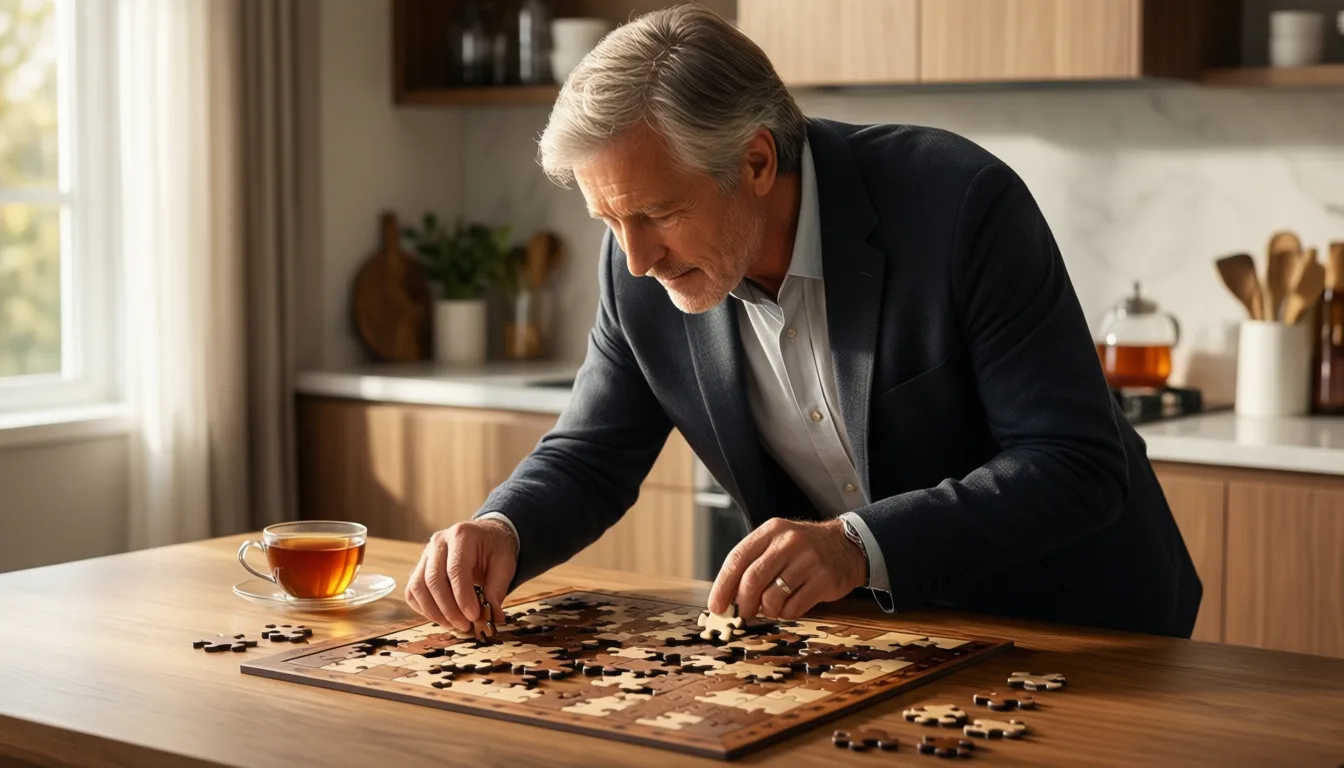
Cognitive engagement — puzzles, reading, cards — tracked with a lower likelihood of too-short sleep.
The other characters in the story
Activity wasn't the whole picture. The researchers also flagged a bunch of background factors that shaped sleep, and these are worth knowing about because they tell you who in the study was sleeping well, and who wasn't.
On the protective side: being male, living in an urban or town setting, and reporting higher quality of life, better self-rated health, and stronger mental health all tracked with better sleep quality. On the risk side, having heart disease showed up as a real burden — linked to worse sleep quality and a higher likelihood of short sleep duration. Urban living and better overall health also lined up with a lower chance of short sleep. None of this rewrites the rules of sleep science, but it's a useful reminder that sleep doesn't exist in a vacuum — it sits on top of physical health, mental health, and the daily shape of your life.
What if the secret to sleeping well at 70 isn't a fancier mattress — but a fuller Tuesday?
Why "multidimensional" is the word to remember
Most of us, when we hear "healthy aging," think about exercise. And exercise is great — this study reinforces that. But the framing the researchers use is broader. They're arguing that the variety of engagement matters, and that cognitive activity in particular shows up as its own distinct lever for sleep, not just a sidekick to physical movement. That fits with the broader "active aging" idea: that a good later life isn't built from one heroic habit, but from a portfolio of small ones.
I find that quietly hopeful. It means the bar to do something useful for your future sleep isn't "join a gym at 72." It might be "keep showing up to the card game," or "keep the garden going," or "call your friend on Thursdays." The study can't tell us which specific activities work best, or exactly how much of each — and it definitely can't prove that adding activities will fix anyone's sleep. But it adds to a growing case that staying engaged is doing something real.
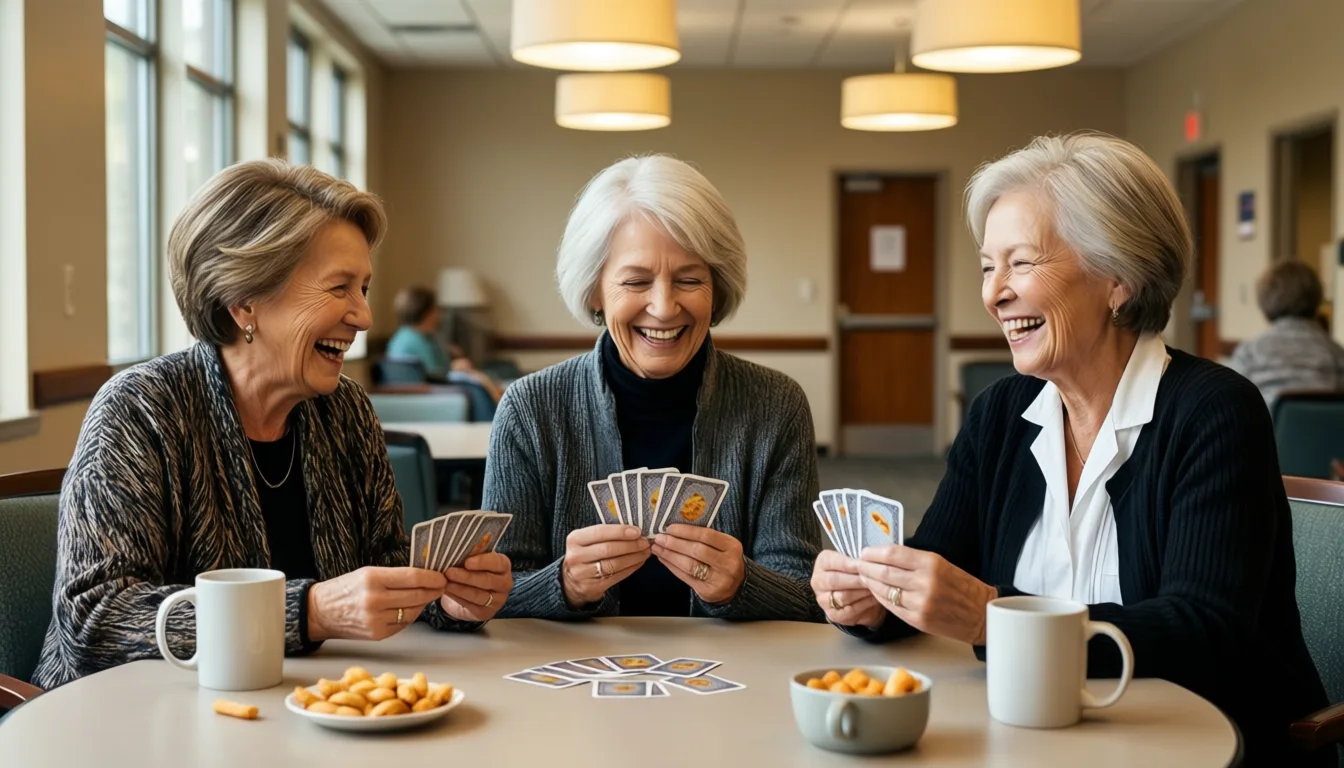
The "multidimensional" framing emphasizes variety — physical, cognitive, and social engagement together.
- The headline finding: Across 13 years and 1,038 older adults, varied daily activity tracked with better sleep quality and duration.
- Physical activity showed a positive association with sleep quality — small but consistent.
- Cognitive activity was linked to a lower likelihood of too-short sleep, suggesting brain engagement matters on its own.
- Heart disease was a notable risk factor for both worse sleep quality and short sleep duration.
- The framing matters: "Multidimensional" means variety — movement plus thinking plus connection, not one heroic habit.
- Evidence is moderate: long-term and well-designed, but observational. Patterns, not proof.
The takeaway for the rest of us
If you're younger than the study population — and most readers here are — the practical read is less "do this exact thing" and more "the architecture of an engaged day might be a longevity input we under-rate." The people sleeping best in this cohort weren't necessarily the ones with the most disciplined wind-down routines. They were the ones whose days had texture. Movement. Curiosity. Other humans. Things to look forward to.
That's not a sleep hack. It's something better: a hint that the way we build our ordinary days in our forties and fifties might be quietly shaping the nights we'll have in our seventies. Worth thinking about, the next time you're tempted to cancel the walk, skip the puzzle, or bail on the friend.
Frequently asked questions
What did the study mean by 'multidimensional activity participation'?
The researchers assessed ten different kinds of everyday activity, ranging from physical movement to mental engagement. These included household tasks, gardening, social visits, reading, and playing cards — the small textures of an engaged life. The idea was to capture variety across domains, not just one type of activity like exercise.
Which types of activity were linked to better sleep in the findings?
Physical activities were positively associated with sleep quality, while cognitive activities — such as puzzles, reading, and cards — were linked to a lower likelihood of sleeping too few hours. The researchers noted that cognitive engagement appeared to be its own distinct lever for sleep, not merely a sidekick to physical movement.
How large were the effects the researchers found?
The researchers described the associations as small — nudges, not shoves. The physical-activity-to-sleep-quality link had a coefficient of 0.010, and the cognitive-activity link to lower short-sleep odds came in at an odds ratio of 0.973. The overall evidence is rated as moderate: well-designed and long-term, but observational.
What health and lifestyle factors were associated with worse sleep in this study?
Having heart disease stood out as a notable risk factor, linked to both worse sleep quality and a higher likelihood of short sleep duration. Better sleep quality, by contrast, tracked with being male, living in an urban or town setting, and reporting higher quality of life, better self-rated health, and stronger mental health.
Does this study prove that staying active will improve your sleep?
No — because it is an observational cohort study, it can identify patterns over time but cannot prove that activity causes better sleep. People who stay active may also have better health to begin with, more social support, or fewer chronic conditions, all of which independently shape sleep. The article states that anyone with persistent sleep problems should talk to a clinician rather than self-experiment.
Sources
- The Association Between Multidimensional Activity Participation and Sleep Health in the Context of Active Aging: A Cohort Study Based on the CLHLS From 2005 to 2018. — American journal of health promotion : AJHP

Three Quiet Signals of How You're Actually Aging
New 2025 population research points to surprisingly accessible markers — what's in your urine, the length of your reproductive years, and a single honest question about your health — that track biological age.
Somewhere between the birthday on your driver's license and the body you actually live in, a second clock is running. Researchers call it biological age, and for years measuring it has required expensive panels and proprietary algorithms. But a cluster of large studies published in 2025 quietly suggests something more useful for the rest of us: the signals that track how well a woman is aging may already be sitting in her medical history, her diet, and the answer she gives when someone asks how she's feeling. None of these are miracle metrics. Taken together, though, they sketch a more honest portrait of who is aging well — and why.
- Phytoestrogens in urine — particularly enterolignans from seeds, whole grains, and vegetables — were associated with slower biological aging in a U.S. population sample.
- Reproductive lifespan — the years between menarche and menopause — tracked with frailty trajectories in more than 300,000 Chinese women.
- A single self-rated health question showed a dose-response link to cardiometabolic disease in older adults, with each step down in self-rating roughly doubling the odds.
- The evidence is moderate, not definitive: these are observational studies that show association, not proof of cause.
- The practical message is consistent: diet quality, reproductive history, and self-perception deserve a seat at the longevity table alongside lab panels.
Signal one: what's quietly circulating from your diet
Phytoestrogens are plant compounds — isoflavones from soy and legumes, enterolignans produced when gut bacteria ferment seeds, whole grains, and certain vegetables — that loosely mimic estrogen in the body. They've been studied for decades in the context of menopausal symptoms, with mixed results. The newer question is whether they leave a fingerprint on aging itself.
A 2025 cross-sectional analysis of 7,981 adults in the U.S. National Health and Nutrition Examination Survey took a careful look. Researchers measured six urinary phytoestrogens and compared them with three accepted indicators of biological age built from twelve clinical biomarkers. After adjusting for demographics, lifestyle, and chronic disease history, higher urinary total phytoestrogens and enterolignans were associated with less accelerated biological aging across multiple measures. Isoflavones showed a narrower but still favorable signal.
What this is not: proof that adding a soy latte will turn back the clock. The study is a snapshot, not a trial, and urinary phytoestrogens reflect both what people eat and how their gut microbiome processes it. What it does suggest is that the broadly plant-forward diets cardiologists and dietitians have been recommending for years may show up, biochemically, as a slower aging signature.
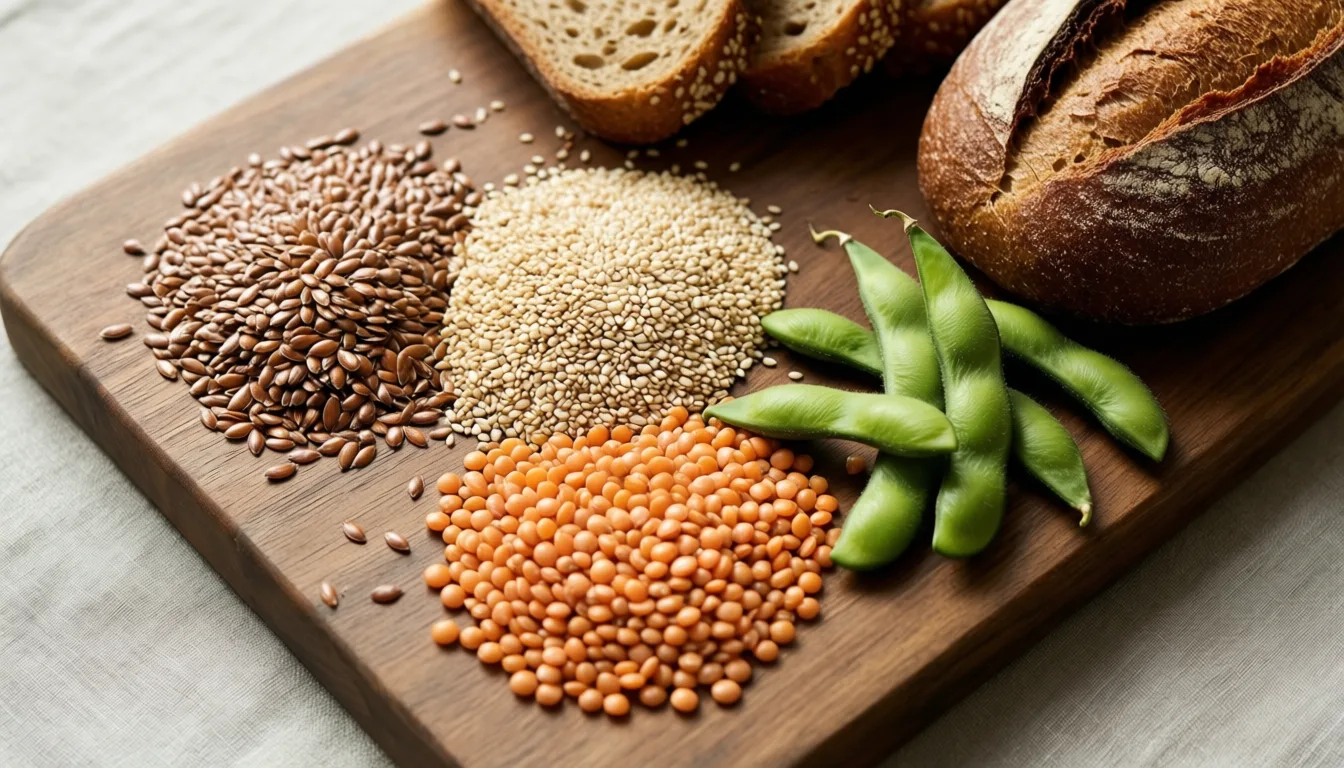
Enterolignans, the phytoestrogen subgroup most consistently tied to slower biological aging in the NHANES analysis, come largely from seeds, whole grains, and fibrous vegetables.
Signal two: the length of your reproductive years
The second signal is one women often know without being asked: the age periods began, the age they ended, and the span between. In a 2025 analysis of 302,471 women from the China Kadoorie Biobank, researchers used a 28-variable frailty index as a proxy for biological age and looked at how reproductive milestones tracked with it. Age at menarche, age at menopause, and the resulting reproductive lifespan were each associated with frailty status and with frailty trajectories measured at multiple time points.
The implication is not that any single woman's calendar predetermines her trajectory — frailty indices capture dozens of inputs and most of them are modifiable. But the durable signal across hundreds of thousands of women suggests that reproductive history carries information clinicians could use earlier, not just as a footnote in a menopause chart. For a 55-year-old asking what her individual aging risk looks like, the years between her first period and her last are part of the answer.
The signals that track how well a woman is aging may already be sitting in her medical history, her diet, and the answer she gives when someone asks how she's feeling.

Signal three: the question almost no one asks carefully
The third signal is the simplest, and arguably the most underused. Ask an older adult to rate their health as good, neutral, or bad, and the answer does real predictive work. In a 2025 cross-sectional study of 9,762 adults aged 65 and older from the Chinese Longitudinal Healthy Longevity Survey, self-rated health showed a graded, dose-response relationship with cardiometabolic multimorbidity — defined as having two or more of coronary heart disease, stroke, diabetes, hypertension, or dyslipidemia.
Compared with people who rated their health as good, those who rated it bad had roughly four times the odds of cardiometabolic multimorbidity; those in the middle had roughly twice the odds. Each one-level drop in self-rating roughly doubled the odds. The association was stronger in men than in women in this sample, but it held across age groups and urban-rural divides.
What's striking is not the size of the effect — researchers have known for decades that self-rated health predicts mortality — but how consistently this one question outperforms its simplicity. It seems to integrate something instruments miss: fatigue patterns, subtle declines, the felt sense of one's own body. For women 55 and older who have spent years being told their symptoms are nothing, this is a quiet form of vindication. The instinct that something is off appears to be measuring something real.
What to do with three imperfect signals
None of these findings alone would justify a change in clinical guidelines, and the researchers behind them don't claim otherwise. The phytoestrogen study cannot separate diet from microbiome from confounding lifestyle factors. The reproductive lifespan analysis is drawn from one national cohort and may not generalize cleanly to women in other settings. The self-rated health work is cross-sectional, meaning it captures a moment rather than tracking change over time.
And yet, read together, they point in a coherent direction. Aging well in midlife and beyond appears to be tracked — imperfectly but meaningfully — by what you eat, the reproductive years your body has lived through, and the honest answer to a question most annual physicals ask too fast to hear. The most useful response is not a supplement order or a panic about menarche. It is a conversation: with a primary care clinician, a gynecologist familiar with menopause care, and ideally a registered dietitian. Bring the questions these studies raise; ask which apply to you.
The biological clock is real. It is also, on the evidence we currently have, more legible than the wellness industry tends to admit — and more responsive to ordinary, unglamorous decisions than any one molecule on its own.
Frequently asked questions
What are enterolignans and where do they come from?
Enterolignans are a subgroup of phytoestrogens produced when gut bacteria ferment seeds, whole grains, and certain vegetables. They were the phytoestrogen type most consistently tied to slower biological aging in the NHANES analysis.
How does self-rated health connect to cardiometabolic disease risk?
In a study of adults aged 65 and older, people who rated their health as bad had roughly four times the odds of cardiometabolic multimorbidity compared to those who rated it good, and each one-level drop in self-rating roughly doubled the odds. The association held across age groups and urban-rural divides, though it was stronger in men than in women.
What does reproductive lifespan mean in the context of aging?
Reproductive lifespan refers to the span of years between a woman's first period and menopause. In a study of over 300,000 women, age at menarche, age at menopause, and the resulting reproductive lifespan were each associated with frailty status and frailty trajectories measured at multiple time points.
Do these studies prove that eating more plant foods or knowing your reproductive history will slow aging?
No — all three studies are observational and show associations across large populations, not causation in any individual. The researchers themselves note the findings cannot justify changes in clinical guidelines on their own.
What practical questions do the authors suggest bringing to a clinician based on these signals?
The article suggests asking whether your diet is supplying plant compounds linked to slower aging, whether your reproductive history should prompt more aggressive cardiometabolic risk screening, and whether a feeling that something is 'not quite right' is being treated as meaningful data.
Sources
- Elevated urinary phytoestrogens are associated with delayed biological aging: a cross-sectional analysis of NHANES data. — Scientific reports
- [Association of age at menarche, age at menopause, and reproductive lifespan with frailty index in Chinese adult women]. — Zhonghua liu xing bing xue za zhi = Zhonghua liuxingbingxue zazhi
- Self-reported health as a predictor of cardiometabolic multimorbidity in Chinese older adults: a national cross-sectional study. — Frontiers in public health

Overwork Reshapes the Brain: A 52-Hour-Week Imaging Signal
A small pilot in healthcare workers finds measurable structural differences in brains clocking 52-plus-hour weeks. The signal is early — but it's the kind endurance athletes, who already think in dose-response curves, should be watching.
Endurance athletes are fluent in dose-response. We talk about training load, acute-to-chronic ratios, the line where stimulus becomes damage. We rarely talk about cognitive load that way — yet a small new imaging study suggests we probably should. In a pilot published in Occupational and Environmental Medicine, researchers scanned the brains of 110 healthcare workers and found that those clocking 52 or more hours a week showed measurable structural differences from their less-overworked colleagues, concentrated in regions that govern executive function and emotional regulation.
The headline finding is striking enough that it deserves a careful unpacking. Using voxel-based morphometry (VBM) and atlas-based analysis, the team led by Wonpil Jang and colleagues compared 32 overworked workers against 78 controls and reported a 19% increase in the volume of the left caudal middle frontal gyrus in the overworked group, alongside peak volume increases in 17 regions including the insula and superior temporal gyrus. Weekly hours correlated positively with volume in the middle frontal gyrus and insula.
If your first instinct is bigger means better — more reps, more mitochondria, more cortex — pause there. In a developing brain, gray-matter expansion can reflect learning. In adults exposed to chronic stressors, regional volume increases are more ambiguous, sometimes interpreted as neuroinflammatory or compensatory rather than adaptive. The authors themselves frame the work as preliminary evidence of a neurobiological signature, not a verdict on what that signature means functionally.
The anatomy of a long week
The regions implicated are not random. The middle frontal gyrus is a workhorse of executive control — planning, working memory, task-switching, the cognitive machinery you lean on when a training block collides with a project deadline. The insula is a hub for interoception: it tracks heart rate, breath, the visceral signals that endurance athletes learn to read with unusual precision. The superior temporal gyrus participates in social and emotional processing.
Put together, these are the structures that mediate how you allocate effort, perceive fatigue, and regulate emotion under load. A study reporting that all three show structural differences in people who chronically exceed 52 hours of work weekly is, at minimum, a hypothesis worth taking seriously — particularly for athletes who treat their training as a second job stacked on top of the first.

VBM compares gray-matter volume voxel by voxel; atlas-based analysis aggregates by anatomical region. Both pointed to the same neighborhood.
In adults under chronic load, more cortex is not automatically better cortex.
Why endurance readers should care
Performance science has spent a decade learning that recovery is where adaptation lives. Sleep consolidates. Parasympathetic tone restores. HRV trends down when total life stress — not just training stress — exceeds capacity. The Jang et al. pilot extends that logic into neuroanatomy: chronic occupational overload may leave a structural fingerprint in the same circuits that govern the interoceptive awareness and executive control elite endurance demands.
This matters for a practical reason. Athletes who train seriously while working long hours often assume the limiting factor is muscular or metabolic. The new data, modest as they are, suggest the central nervous system may also be running a tab. If the insula — your built-in pacing computer — is structurally remodeling in response to 52-plus-hour weeks, the question of whether you can feel your effort accurately becomes a performance question, not just a wellness one.
What the study can — and can't — tell us
Caveats first. This is a pilot study with 110 participants, all healthcare workers, cross-sectional in design. Cross-sectional means the researchers cannot say whether overwork caused the brain differences, whether pre-existing differences predisposed certain people to overwork, or whether a third factor — sleep debt, shift patterns, stress hormones — drove both. The sample is occupationally narrow. The findings have not yet been replicated.
What the study does offer is a credible neuroimaging signal in a domain that has been dominated by self-report. Burnout questionnaires are useful; voxel-based morphometry is harder to argue with. The authors are appropriately cautious in their conclusion, calling the work novel neurobiological evidence rather than a definitive account of overwork's effects on the brain. That restraint is the right register, and it's the register a serious reader should adopt too.
- The signal is real but early. A 110-person pilot found regional brain-volume differences in workers clocking 52+ hours weekly — not proof of harm, but a credible structural fingerprint.
- The regions matter. Middle frontal gyrus (executive control), insula (interoception), and superior temporal gyrus (emotional processing) are exactly the circuits endurance performance depends on.
- Bigger isn't better. In chronically loaded adults, volume increases may reflect compensation or inflammation rather than adaptation.
- Causality is unproven. The study is cross-sectional and occupationally narrow; replication in larger, longitudinal cohorts is the next step.
- Stack your loads honestly. If you train hard and work 50-plus-hour weeks, treat cognitive load as part of your total stress budget — and talk to a clinician if symptoms of burnout appear.
The endurance crowd already knows how to read a dose-response curve and respect a deload week. The Jang pilot is an invitation to apply the same literacy to the rest of life. The brain, like the heart and the legs, runs on a stimulus-recovery balance — and the early imaging data suggest that balance may be drawn in tissue, not just in mood. If you suspect you're past your line, the right next step isn't a supplement or a hack. It's a conversation with a clinician who knows your full load.
Frequently asked questions
What exactly did the study find in the brains of people working 52 or more hours a week?
Researchers scanning 110 healthcare workers found that the 32 workers clocking 52 or more hours weekly showed a 19% increase in the volume of the left caudal middle frontal gyrus compared to controls, along with peak volume increases across 17 regions including the insula and superior temporal gyrus. Weekly hours also correlated positively with volume in the middle frontal gyrus and insula.
Why isn't a larger brain volume in these regions necessarily a good thing?
In a developing brain, gray-matter expansion can reflect learning, but in adults exposed to chronic stressors, regional volume increases are more ambiguous — sometimes interpreted as neuroinflammatory or compensatory rather than adaptive. The article notes that in chronically loaded adults, more cortex is not automatically better cortex.
Which brain regions were affected, and what functions do they serve?
The middle frontal gyrus handles executive control including planning, working memory, and task-switching. The insula is a hub for interoception, tracking signals like heart rate and breath. The superior temporal gyrus participates in social and emotional processing.
Does the study prove that overwork causes these brain changes?
No. The study is cross-sectional, meaning researchers cannot determine whether overwork caused the brain differences, whether pre-existing differences predisposed certain people to overwork, or whether a third factor drove both. The authors describe the findings as novel neurobiological evidence rather than a definitive account of overwork's effects on the brain.
What would it take for this research to be considered more conclusive?
The article identifies three steps that would substantially upgrade the evidence: a longitudinal cohort tracking the same workers across changes in hours, a broader occupational sample beyond healthcare workers, and functional correlates — such as cognitive testing, HRV, and sleep architecture — paired with the imaging data.
Sources
- Overwork and changes in brain structure: a pilot study. — Occupational and environmental medicine
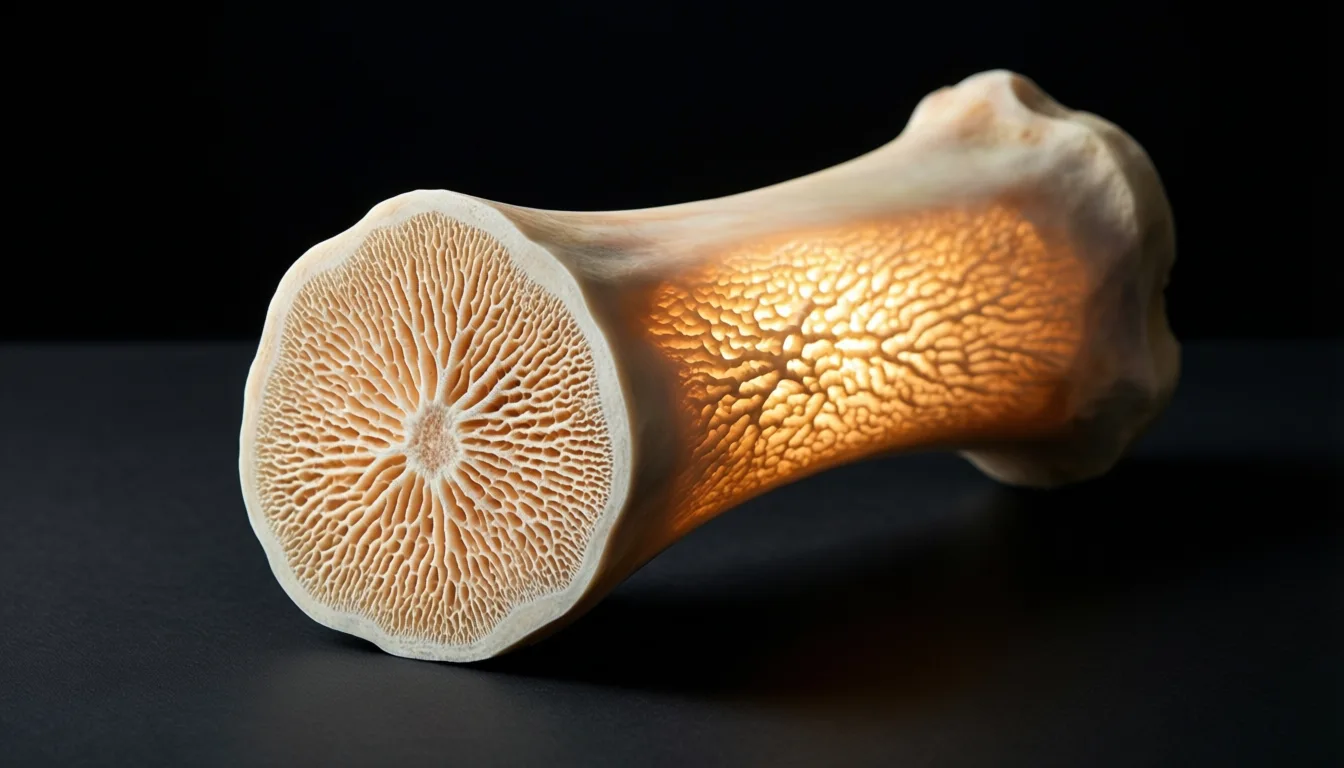
Senolytics Go Mainstream: Killing Zombie Cells to Save Aging Bones
Two 2025 studies converge on a striking thesis — that clearing senescent cells, with drugs or even intermittent pressure, may halt age-related bone loss in mice. Here's what the preclinical signal actually says.
The cells refuse to die. They linger in aging tissue like guests who will not leave the party, secreting a low-grade chemical smog that inflames their neighbors and corrodes the architecture around them. Biologists call them senescent — colloquially, zombie cells — and over the past decade they have emerged as one of the most tractable villains in the biology of aging. In 2025, two converging lines of research sharpened that story considerably for one tissue in particular: bone. A review in Biomolecules mapped the expanding pharmacopeia of senolytic drugs being aimed at osteoporosis, while a paper in Nature Biomedical Engineering reported something stranger and more cinematic — that intermittent hypobaric pressure, applied to aged mice, selectively kills senescent cells and rescues their crumbling skeletons.
- The thesis. Senescent cells accumulate in aging bone and appear to drive osteoporosis in preclinical models.
- Two modalities. Senolytic drugs (natural compounds, Bcl-2 inhibitors, HSP90 inhibitors and more) and, newly, intermittent hypobaric pressure both target these cells.
- A new mechanism. Hypobaric pressure activates a TMEM59 → calpain-2 → LAMP2 pathway, triggering lysosome-dependent death in senescence-prone cells.
- Strong animal data. Intermittent pressure extended lifespan and reversed osteoporosis phenotypes in aged mice.
- Important caveat. The evidence is animal-preclinical; human senolytic trials have so far diverged from the rodent results.
Why bone became the proving ground
Bone is, in a sense, the perfect tissue in which to interrogate cellular senescence. It is constantly remodeled by a tightly choreographed duet between osteoblasts that build matrix and osteoclasts that resorb it; when that choreography slips with age, the result is osteoporosis — porous, fracture-prone skeletons that fail under loads they once shrugged off. Senescent osteocytes and marrow stromal cells appear to tilt the balance toward resorption, partly through the inflammatory cocktail known as the senescence-associated secretory phenotype, or SASP.
The 2025 Biomolecules review by Chen and colleagues catalogues the drug classes now being tested against this process: natural compounds, kinase inhibitors, Bcl-2 family inhibitors, MDM2/p53 disruptors, HSP90 inhibitors, p53-binding inhibitors, and HDAC inhibitors. The authors are clear about the shape of the evidence. In genetically modified and preclinical animal models, eliminating persistent senescent cells delays and even prevents osteoporosis. In humans, the picture is messier — clinical results have diverged from preclinical evidence, and the reviewers urge that senolytics be evaluated critically rather than enthusiastically.

Senescent cells make up a small fraction of aging tissue but exert outsized effects through inflammatory secretions.
The pressure experiment
The more startling 2025 result comes from Meng and colleagues, writing in Nature Biomedical Engineering. Their question was almost mischievous: could a physical condition — not a molecule — act as a senolytic? They subjected cells to hypobaric pressure at −375 mmHg, without hypoxia, and watched what happened. The cells died, but not by any of the familiar routes. Instead, they underwent lysosome-dependent cell death, a relatively obscure pathway in which the cell's own digestive compartments rupture from within.
The mechanism the authors unpicked is elegant. Hypobaric pressure activates a transmembrane protein called TMEM59, which the team identifies as a previously unknown pressure-activated ion channel. That gates a calcium influx, which switches on the protease calpain-2, which in turn cleaves LAMP2 — a structural protein that keeps lysosomal membranes intact. With LAMP2 chewed up, lysosomes leak, and the cell digests itself.
The cells with the most lysosomes are the ones most likely to be torn apart from inside — and senescent cells, conveniently, are packed with them. Reading of Meng et al., Nature Biomedical Engineering, 2026
That last detail is the hinge of the whole argument. Senescent cells are notoriously lysosome-rich, which is why they stain so vividly for beta-galactosidase in classic senescence assays. A mechanism that exploits lysosomal abundance is therefore intrinsically selective: it preferentially kills the cells you want to clear and largely spares the rest. When the researchers translated their bench finding into a regimen of intermittent hypobaric exposure in aged mice, they reported two outcomes that will get any longevity reader's attention — the treatment substantially extended lifespan and rescued the osteoporosis phenotype, alongside a reduction in SASP markers.

The intervention is mechanical, not pharmacological — a pressure cycle rather than a pill.
How excited should we actually be?
The honest answer is: cautiously, and along two separate axes. The drug story has been brewing for a decade, and the 2025 review is essentially a status report on a field still waiting for its first unambiguous human win. Senolytic combinations like dasatinib-plus-quercetin and the flavonoid fisetin have produced striking results in mice and ambiguous-to-disappointing results in early human studies; the Biomolecules authors flag this gap explicitly and call for more rigorous validation before any of these compounds is treated as a bone therapy.
The pressure story is newer, more mechanistically novel, and — for that reason — even further from any clinical recommendation. A single preclinical paper, however elegant, establishes a hypothesis, not a therapy. The translational questions are obvious and unanswered: what pressure profile is safe in humans, who would be eligible, what tissues beyond bone respond, and whether the lifespan extension reported in mice reflects a clean senolytic effect or a tangle of confounders that look like one. The authors themselves position the work as a proof of concept that physical conditions can act as senolytics, not as a turnkey intervention.
The bigger frame
Step back from the specifics and what these two papers share is a maturing view of senescence as a druggable — and now, perhaps, a physically targetable — axis of aging. For years the senolytic field has been preoccupied with finding molecules that hit Bcl-2 or p53 networks selectively enough to spare healthy cells. The Meng paper widens the aperture: if lysosomal load is itself a vulnerability, then any intervention that destabilizes lysosomes preferentially in senescent cells is, in principle, a senolytic. That is a conceptual gift to the field, regardless of whether intermittent pressure ever reaches a clinic.
For osteoporosis specifically, the convergence matters. Bone disease has long been treated as a problem of mineral metabolism and remodeling signals — bisphosphonates, denosumab, romosozumab. The senolytic frame reinterprets at least some of that pathology as collateral damage from a small population of misbehaving cells. If the preclinical signal holds up in humans — a real if — the next generation of bone drugs may look less like remodelers and more like cellular janitors.
For now, the most defensible posture is the one the reviewers themselves recommend: treat senolytics as one of the most promising and least proven ideas in longevity medicine, and watch the next round of trials closely.
Frequently asked questions
What makes senescent cells harmful to aging bone specifically?
Senescent osteocytes and marrow stromal cells appear to tilt the balance between bone-building osteoblasts and bone-resorbing osteoclasts toward resorption. They do this partly through an inflammatory cocktail of secretions known as the senescence-associated secretory phenotype, or SASP. Even though they make up a small fraction of aging tissue, their outsized inflammatory effects can corrode the surrounding architecture.
Why does hypobaric pressure kill senescent cells more than healthy ones?
The mechanism exploits the fact that senescent cells are unusually rich in lysosomes — the cell's own digestive compartments. The pressure triggers a pathway that ruptures lysosomes from within, so cells with the most lysosomes are most likely to be destroyed. Because senescent cells are packed with lysosomes by nature, the effect is intrinsically selective.
What is the chain of events that hypobaric pressure sets off inside a cell?
Hypobaric pressure activates a transmembrane protein called TMEM59, which the researchers identified as a previously unknown pressure-activated ion channel. That channel allows calcium to enter the cell, which switches on the protease calpain-2, which then cleaves LAMP2 — a structural protein that normally keeps lysosomal membranes intact. Once LAMP2 is degraded, lysosomes leak and the cell digests itself.
Have senolytic drugs shown the same promising results in humans as in animals?
No. The article notes that clinical results have diverged from preclinical evidence, and combinations like dasatinib-plus-quercetin and the flavonoid fisetin have produced striking results in mice but ambiguous-to-disappointing results in early human studies. The Biomolecules reviewers explicitly call for these compounds to be evaluated critically rather than enthusiastically, and for more rigorous validation before any is treated as a bone therapy.
What drug classes are currently being tested as senolytics for osteoporosis?
According to the 2025 Biomolecules review described in the article, the classes being tested include natural compounds, kinase inhibitors, Bcl-2 family inhibitors, MDM2/p53 disruptors, HSP90 inhibitors, p53-binding inhibitors, and HDAC inhibitors — more than seven distinct categories in total.
Sources
- The Role of Senolytics in Osteoporosis. — Biomolecules
- Intermittent hypobaric pressure induces selective senescent cell death and alleviates age-related osteoporosis. — Nature biomedical engineering

Sirolimus for Longevity: The First Formal Reckoning on Off-Label Anti-Aging Use
A transplant drug has become the longevity movement's favorite gamble. Now clinical pharmacologists are saying, in plain language, that the evidence isn't there yet.
For a decade now, a quiet trade has been growing at the edges of medicine. In concierge clinics and longevity practices, a drug originally developed to keep transplanted kidneys from being rejected has been repurposed — off-label, off-protocol, and largely off the record — as a hedge against getting older. The drug is sirolimus, better known to its enthusiasts as rapamycin. And this spring, for the first time, the American College of Clinical Pharmacology stepped into the conversation with a formal position: prescribers should slow down, and patients should know exactly what they are signing up for.
If you are in your sixties and you read the longevity press, you have heard the pitch. Sirolimus inhibits a cellular pathway called mTOR, which sits at the crossroads of growth, metabolism and the housekeeping process known as autophagy. In old mice, intermittent dosing can extend life. In aging dogs, early trials hint at cardiac benefits. And in a small but loud community of physicians, biotech founders and well-heeled patients, those preclinical signals have been treated as something close to a green light.
The new guidance from the ACCP, published in the Journal of Clinical Pharmacology, is the first time a formal pharmacology body has addressed the practice head-on. Its conclusion is not a ban, and it is not a blessing. It is a measured warning: there is no regulatory approval for this use, no agreed dosing schedule, and no rigorous human evidence that sirolimus prevents aging or its diseases in healthy adults. The committee strongly recommends that any clinician writing the prescription weigh the risks and benefits carefully, and ensure the patient understands what is and is not known.
That is unusually plain language for a pharmacology society. It is worth taking seriously.
- A first formal position. The ACCP has issued its inaugural guidance on off-label sirolimus for aging prevention.
- No regulatory approval. Sirolimus is approved to prevent kidney transplant rejection — not to extend healthspan or lifespan.
- No agreed dose. There is no established protocol for anti-aging use, and the committee specifically flagged this gap.
- Evidence is preliminary. Human data for aging prevention remain speculative; trials in age-related conditions are ongoing.
- Informed consent matters. Patients should be told plainly that benefits are unproven and real risks exist.
- Talk to your own clinician. This is a conversation, not a checkout.
What the drug actually does
Sirolimus was discovered in a soil sample from Easter Island — Rapa Nui, hence rapamycin — and entered medicine in 1999 as an immunosuppressant. In transplant patients, it dampens the immune response enough to keep a new kidney from being attacked. It also slows cell growth, which is why a chemical cousin is used in coronary stents and certain cancers. Those are not side effects. They are the drug's job.
The longevity argument starts from a different angle. The mTOR pathway that sirolimus blocks is one of the most conserved growth-signaling systems in biology, and dialing it down in laboratory animals reliably stretches their lives. The leap from a mouse on a controlled diet to a 68-year-old man on a Tuesday morning is, however, a long one. The ACCP's position acknowledges sirolimus's immune-modulating and growth-inhibitory properties, and acknowledges the keen public interest. It then notes, drily, that none of this amounts to a foundation of safety, efficacy and optimal dosing for aging prevention.

The committee's emphasis is less on the molecule than on the conversation around it: what the patient is told, and what is genuinely known.
Such prescriptions lack any regulatory approval and rigorous supporting evidence. American College of Clinical Pharmacology
Why this guidance landed now
The off-label use of sirolimus for aging is not new. What is new is its scale and its visibility. Telehealth practices advertise it. Podcasts debate weekly versus biweekly dosing as if the question were settled. And in the absence of any regulatory framework, individual clinicians have been left to improvise — some carefully, some not.
The ACCP's paper exists because that improvisation has outrun the evidence. The committee's central worry is not that sirolimus is uniquely dangerous; it is that no one can yet say what dose, in what patient, on what schedule, produces what effect on aging — and that the absence of that knowledge is being papered over with enthusiasm. Their recommendation is for prescribers to inform patients of the available clinical evidence and ongoing clinical trials in age-related conditions, rather than treating the matter as already decided.
This is the part worth dwelling on. The committee is not telling readers that sirolimus is bunk. It is telling them that the science is incomplete and that the marketing has gotten ahead of it.
The known costs
Sirolimus is a real drug with a real side-effect profile, established over twenty-plus years of transplant use. It can suppress immune function, alter lipid panels, impair wound healing, and produce mouth ulcers and metabolic shifts. Whether the intermittent, lower-dose regimens favored by longevity prescribers carry the same risks in healthy older adults is, in the committee's framing, exactly the kind of question that has not been answered with rigor. That is the gap the ACCP is asking the field to close before, not after, the prescriptions go out.
For a man in his sixties weighing this, the calculus is not abstract. The goal — staying strong, sharp, and independent for as long as possible — is the right one. The question is whether a drug designed to suppress immunity in transplant patients is the most sensible tool for it, given what we currently know. The honest answer, per the people whose job it is to know, is that we do not yet have the data.

The interventions with the strongest evidence for healthspan remain unglamorous: movement, sleep, strength, social ties. The pharmacology is catching up, slowly.
A watershed, quietly
It is easy to miss the significance of a document like this. It does not call for enforcement. It does not name names. It simply puts the profession on record: the off-label use of sirolimus for aging prevention is happening, it lacks a regulatory and evidentiary foundation, and clinicians who participate carry a duty to inform their patients of that fact. For a movement that has spent a decade insisting the science was almost there, having a formal pharmacology body say — in print — that it is not, is a meaningful course correction.
The longer arc may still bend toward useful longevity drugs. Trials are running. Mechanisms are interesting. The ACCP itself flags ongoing studies in age-related conditions as the proper path forward. But the path runs through evidence, not through enthusiasm, and the committee's contribution is to say so plainly. If you are considering this drug, the most useful thing you can do this week is print the position paper, take it to your own physician, and have the conversation it was written to prompt.
The goal is the right one. The question is whether this is the right tool, given what we currently know.
Frequently asked questions
What is sirolimus actually approved for, and why is its use for aging considered off-label?
Sirolimus is approved to prevent kidney transplant rejection, not to extend healthspan or lifespan. Because no regulatory approval covers anti-aging use, any prescription written for that purpose is off-label and lacks an established dosing protocol.
What did the American College of Clinical Pharmacology conclude about prescribing sirolimus for aging prevention?
The ACCP issued its first formal guidance stating that off-label sirolimus for aging prevention lacks regulatory approval, an agreed dosing schedule, and rigorous human evidence. The committee strongly recommends that clinicians weigh risks and benefits carefully and ensure patients understand what is and is not known.
What does sirolimus actually do in the body, and why do some longevity advocates find it appealing?
Sirolimus blocks the mTOR pathway, a growth-signaling system tied to metabolism, cell growth, and a housekeeping process called autophagy. In laboratory animals, dialing down this pathway has reliably extended lifespan, which has led some physicians and patients to treat those preclinical signals as justification for human use.
What side effects are associated with sirolimus?
Based on more than twenty years of transplant use, sirolimus can suppress immune function, alter lipid panels, impair wound healing, and produce mouth ulcers and metabolic shifts. Whether the lower, intermittent doses favored in longevity practice carry the same risks in healthy older adults is a question the ACCP says has not been answered with rigor.
What interventions currently have the strongest evidence for extending healthy lifespan?
According to the article, the interventions with the strongest evidence for healthspan remain movement, sleep, strength, and social ties. The article describes the pharmacological evidence as still catching up, slowly.
Sources
- Risks and Benefits for Sirolimus in Aging Prevention. — Journal of clinical pharmacology

The Sex-Frailty Paradox: Why Women Outlive the Men Who Outlast Them
Women rack up more frailty as they age, yet keep outliving the men around them. New centenarian data hints that the answer is hiding in their inflammation.
Here's a riddle that has been bugging scientists for decades: women, on average, get frailer than men as they age — and yet they keep outliving them. Like, by years. If frailty is supposed to be the thing that kills you, how does the group with more of it cross the finish line later? I asked the obvious beginner question and went looking for a grown-up answer. The newest clue, it turns out, isn't in muscles or bones at all. It's hiding in the slow, simmering inflammation inside our cells — and it looks different depending on whether you're a woman or a man.
Geroscientists have a nickname for this brain-twister: the sex-frailty paradox. The short version is that women tend to accumulate more of the little things that add up to frailty — slower walking speed, weaker grip, more chronic conditions — but they still die later than men. A 2025 study in Aging Clinical and Experimental Research tried to pry the paradox open by looking at 452 people sliced into age groups (under 80, 81–99, and 100-plus) and stratified by sex. Think of it as a snapshot of three different chapters of getting older, with women and men on facing pages.
What jumped out wasn't just the frailty scores. It was how those scores shifted across the life course. Under 80, women were less frail than men their age. In the 81-to-99 bracket, the two sexes basically tied. And then, among the centenarians — the people who'd already outlasted nearly everyone — women were actually frailer than the men who'd made it that far. Same puzzle, sharper edges.
Meet inflammaging, the slow burn
To understand the next clue, you need one piece of vocabulary: inflammaging (yes, really). It's the term researchers use for the low-grade, chronic inflammation that quietly builds up as we age — not the angry red kind you get from a sprained ankle, more like a pilot light that never quite turns off. Over decades, that pilot light is thought to nudge along heart disease, dementia, and the general wear-and-tear of getting older.
The study's team measured a panel of inflammatory markers in the blood of everyone in the cohort. Most of those markers went up with age in both sexes — no surprise there. The surprise was what those markers were doing. In women, certain inflammatory signals tracked with frailty in one pattern; in men, the same signals lined up differently. Same biology, different wiring diagram.
Same biology, different wiring diagram — and possibly different routes to a long life. On the study's central finding

The same age, the same inflammation markers — but the biology underneath may be telling two different stories.
So why do frailer women still win the longevity race?
This is where I have to be honest with you: no one fully knows yet. The authors are careful, and so should we be. What they argue is that frailty in women and frailty in men may share a name but not a mechanism. If the inflammatory roots are different, then the path from "a little frail" to "seriously sick" might also be different — and women's version of that path might, on average, be more survivable.
Researchers have long pointed to a mix of things to explain why women outlive men: hormones (estrogen seems protective for the heart, at least until menopause), two X chromosomes (a kind of genetic backup copy), behavior (men are more likely to die from accidents, violence, and risky habits), and social factors (women tend to seek out healthcare earlier). The new data doesn't replace any of that. It adds a molecular layer underneath it: the biological roots of frailty appear to be partly sex-specific, which means the levers we might one day pull to delay it could be sex-specific too.
The careful, exciting part
Here's where my inner skeptic taps me on the shoulder. This is one study. It's a snapshot, not a movie — researchers looked at different people at different ages rather than following the same people for 100 years (which, fair, would take 100 years). It also leaned more female than male in its sample, partly because there are simply more women left to study at very old ages. And measuring inflammatory markers in the blood is a useful window, but it's still a window — not the whole house.
So when you see headlines promising "sex-specific longevity protocols" coming soon, file them under plausible and worth watching, not book your appointment. The honest read of this evidence is that we have a sharper map of the paradox, not a treatment plan. The authors themselves say more research on sex-specific determinants is needed before any of this becomes a strategy you can actually use in a clinic.
- The paradox is real and getting sharper. In a 452-person cohort, women were less frail than men under 80, even at 81–99, and frailer than men past 100.
- Inflammaging may be sex-specific. The same inflammatory markers rose with age in both sexes, but linked to frailty differently in women and men.
- Frailty isn't destiny. Frailer doesn't automatically mean shorter-lived — at least not in women, and that's the heart of the puzzle.
- It's early days. The evidence is moderate, the sample is cross-sectional, and no sex-specific longevity treatment exists yet.
- What to do now: Keep doing the unsexy basics (movement, sleep, social ties, blood-pressure checks) and talk to a clinician about your personal risk picture.

Social connection is one of the most consistent longevity signals in older women — and one of the few "interventions" that's free.
The thing I keep coming back to, as someone new to this corner of science, is how human the paradox feels. Anyone who's spent time in a family knows the pattern: the grandmother who outlives the grandfather by a decade despite a longer list of aches. For years that story was chalked up to luck, or hormones, or men being men. Now there's a hint that something more interesting is going on at the cellular level — that women's bodies might be writing a slightly different ending to the same book.
That doesn't mean anyone should change what they eat or take tomorrow morning based on this paper. It means the question is finally getting the texture it deserves. And honestly? After a century of "women just live longer, shrug," texture feels like progress.
Frequently asked questions
What exactly is the sex-frailty paradox?
The sex-frailty paradox is the observation that women tend to accumulate more markers of frailty — such as slower walking speed, weaker grip, and more chronic conditions — yet still outlive men by years. A 2025 study sharpened the picture by finding that women were less frail than men under 80, roughly equal between ages 81 and 99, and actually frailer than male peers past age 100. The puzzle is how the group with more frailty consistently reaches the finish line later.
What is inflammaging, and why does it matter here?
Inflammaging is the low-grade, chronic inflammation that quietly builds up as we age — not the acute kind from an injury, but a persistent background process described as a pilot light that never quite turns off. Over decades, it is thought to contribute to heart disease, dementia, and general age-related wear-and-tear. The study found that while inflammatory markers rose with age in both sexes, they linked to frailty differently in women than in men, suggesting the biological wiring underneath is sex-specific.
What explanations do researchers offer for why frailer women still outlive men?
Researchers point to several overlapping factors: estrogen appears protective for the heart at least until menopause, two X chromosomes may act as a kind of genetic backup, men are more likely to die from accidents, violence, and risky habits, and women tend to seek healthcare earlier. The newer data adds a molecular layer to those existing explanations, suggesting that the inflammatory roots of frailty may differ by sex, meaning women's version of frailty could, on average, follow a more survivable path.
How large was the study, and how was it designed?
The study enrolled 452 adults divided into three age groups — under 80, 81 to 99, and 100 and older — and stratified by sex. Researchers used a 47-item frailty index and measured a panel of inflammatory markers in participants' blood. Because it compared different people across age groups rather than following the same individuals over time, the authors describe it as a cross-sectional snapshot rather than a long-term movie.
Should I change anything about my health routine based on this research?
The article is clear that no sex-specific longevity treatment currently exists and that the authors say more research is needed before any of this becomes a clinical strategy. The article recommends sticking to established basics — movement, sleep, social ties, and blood-pressure checks — and speaking with a clinician about your personal risk picture. Social connection in particular is described as one of the most consistent longevity signals in older women and one of the few approaches that costs nothing.
Sources
- Inflammaging and the sex-frailty paradox. — Aging clinical and experimental research

The Senescence-Cancer Crossover: A Metabolic Brake on Aging Cells
New 2025 research reframes senescent and tumor cells as biological cousins — and points to putrescine as an unexpected checkpoint in how cells decide to age.
For years, the story of cellular aging has been told in broad strokes: cells get tired, stop dividing, and linger in the body like uninvited guests, leaking inflammatory signals that quietly age the tissues around them. The hunt for senolytics — drugs that selectively clear these so-called senescent cells — has been one of the most watched frontiers in longevity science. But a pair of 2025 papers is now reshaping the conversation in a more interesting direction. They suggest that senescent cells and cancer cells are not opposites at all. They are biological cousins. And learning to tell them apart, at the level of metabolism, may be the key to the next generation of anti-aging drugs.
The first paper, published in Cellular and Molecular Life Sciences, zeroes in on a small molecule most readers have never heard of: putrescine. It is a polyamine — a tiny, positively charged compound that cells use to support growth and DNA stability. Researchers found that when human bronchial epithelial cells are pushed into senescence by sustained activation of a replication-licensing factor called CDC6, putrescine levels follow a striking arc. They rise sharply during an early burst of hyperproliferation, then collapse just as cells commit to senescence.
That collapse turns out to matter. When the scientists supplemented cells with putrescine, senescence was blunted. When they knocked down ODC1, the rate-limiting enzyme that makes putrescine, senescence accelerated and the tumor-suppressor protein TP53 piled up. In other words, putrescine appears to act as a metabolic brake pedal — and lifting your foot off that pedal is part of how a stressed cell decides to stop dividing for good.

Polyamines like putrescine are produced inside our own cells — and increasingly look like decision points in how cells age.
The meta-hallmarks: where aging and cancer overlap
The second paper, a review in Acta Pharmaceutica Sinica B, pulls the camera back. Its authors argue that senescent cells and tumor cells share a set of 'meta-hallmarks' — apoptosis resistance, metabolic rewiring, distinctive secretory phenotypes, epigenetic reprogramming, and evasion of immune surveillance. These overlapping traits are why so many of the senolytic candidates now in development are, in fact, repurposed cancer drugs. Since the first senolytic was identified in 2015, the field has leaned heavily on oncology's toolkit, hunting for molecules that exploit the same vulnerabilities both troubled cell types share.
That is clarifying — and a little uncomfortable. It means the cells we want to clear out of aging tissue look, biochemically, a lot like the cells we spend billions trying to kill in tumors. The line between 'aging well' and 'not getting cancer' may be drawn in the same chemistry.
The cells we want to clear out of aging tissue look, biochemically, a lot like the cells we spend billions trying to kill in tumors.
Why putrescine is interesting — and why it isn't a supplement story
It would be easy to read the putrescine findings and reach for a polyamine supplement. Please don't. This work was done in cultured human bronchial epithelial cells and in re-analyzed single-cell sequencing data from COVID pneumonia patients, where the researchers observed elevated CDC6 alongside reduced MYC and ODC1 in alveolar cells bearing senescence markers. That is a fascinating mechanistic signal in a specific tissue under specific stress. It is not a dosing recommendation, and it is not evidence that swallowing polyamines will slow human aging.
The mechanistic story is also more nuanced than 'more putrescine, less aging.' The same paper shows that CDC6 governs the ODC1–putrescine axis through ERK and GSK3β-mediated control of MYC: early signaling stabilizes MYC and ramps up polyamine production, while prolonged stress flips the switch, degrading MYC, shutting down ODC1, and committing the cell to senescence. Polyamine metabolism is a finely tuned circuit — and polyamines have their own complicated relationship with cancer growth. Crude supplementation is exactly the kind of intervention this biology argues against.

The most useful posture toward early-stage longevity science is curious, not credulous.
What a more selective senolytic might look like
The strategic implication of these two papers, read together, is the interesting part. If senescent cells share core vulnerabilities with tumor cells, then the next wave of senolytics may not be a single drug but a portfolio — each agent aimed at a different meta-hallmark, each chosen to match the kind of senescent cell driving a specific tissue problem. A senescent cell in an aging joint is not identical to one in a post-viral lung or a sun-damaged patch of skin. A more selective senolytic toolkit could, in theory, clear the troublemakers without touching healthy cells that happen to share some of the same machinery.
That is the promise. The reality is that almost all of this work is still preclinical. The meta-hallmarks framework is a way of organizing what we know; it is not a clinical playbook. The putrescine findings open a mechanistic door; they do not walk a patient through it. The clinical trials that will actually tell us whether senolytics extend healthy human lifespan are only beginning to mature.
- The frame is shifting. A 2025 review argues senescent and tumor cells share five 'meta-hallmarks' — which is why most senolytics are repurposed cancer drugs.
- Putrescine is a checkpoint, not a supplement. In replication-stressed lung cells, a collapse in this polyamine helps lock cells into senescence.
- The signaling circuit matters. CDC6 controls the ODC1–putrescine axis via ERK, GSK3β, and MYC — a finely tuned switch, not a simple dial.
- This is early science. Findings come from cultured cells and re-analyzed patient datasets, not randomized human trials.
- Don't self-experiment. Polyamine metabolism is tangled with cancer biology; crude supplementation is not what this research supports.
- Bring it to your clinician. If you are tracking the longevity field, discuss any interventions — including over-the-counter ones — with a doctor who knows your history.
For readers in their late fifties and beyond, the honest takeaway is this: longevity science is finally getting more precise about what a senescent cell actually is, and that precision will eventually shape real treatments. We are not there yet. The most useful thing you can do with research at this stage is to understand the direction it is pointing — toward selectivity, toward metabolism, toward drugs that respect the biology rather than blunt-force it — and to keep your expectations calibrated to the evidence. Early means early. It also means worth watching.
Frequently asked questions
Why are senescent cells compared to cancer cells in this research?
According to a 2025 review in Acta Pharmaceutica Sinica B, senescent and tumor cells share five 'meta-hallmarks,' including apoptosis resistance, metabolic rewiring, distinctive secretory phenotypes, epigenetic reprogramming, and evasion of immune surveillance. This biochemical overlap is why most senolytic drug candidates are repurposed cancer drugs.
What is putrescine, and what does it have to do with cellular aging?
Putrescine is a polyamine — a small, positively charged compound cells use to support growth and DNA stability. Research in human bronchial epithelial cells found that putrescine levels rise sharply during early hyperproliferation, then collapse just as cells commit to senescence, suggesting it acts as a metabolic brake that helps determine whether a stressed cell stops dividing.
Should I take a polyamine supplement based on the putrescine findings?
The article explicitly advises against it. The putrescine research was conducted in cultured cells and re-analyzed patient datasets, not human trials, and polyamine metabolism is described as a finely tuned circuit with its own complicated relationship with cancer growth. The article states that crude supplementation is exactly the kind of intervention this biology argues against.
How does CDC6 relate to the putrescine drop seen in senescent cells?
CDC6 is a replication-licensing factor whose sustained activation was used to push cells into senescence in the study. The article explains that CDC6 governs the ODC1–putrescine axis through ERK and GSK3β-mediated control of MYC: early signaling stabilizes MYC and ramps up polyamine production, while prolonged stress degrades MYC, shuts down ODC1, and commits the cell to senescence.
Are senolytic drugs ready for clinical use based on this research?
Not yet. The article notes that almost all of this work remains preclinical, and the clinical trials needed to determine whether senolytics extend healthy human lifespan are only beginning to mature. The meta-hallmarks framework is described as a way of organizing existing knowledge, not a clinical playbook.
Sources
- Putrescine functions as a metabolic checkpoint in replication stress-induced senescence. — Cellular and molecular life sciences : CMLS
- Unraveling the meta-hallmarks between senescent and tumor cells: A new perspective for senolytic drug discovery. — Acta pharmaceutica Sinica. B

Mitochondrial Medicine for Metabolic Disease: Beyond Calories In, Calories Out
A new scoping review reframes obesity as an organelle-level problem — and points to the levers, lifestyle and pharmacological, that actually shift mitochondrial function.
If you are reading this between nap windows, you already know the standard story about metabolic health: eat less, move more, sleep — somehow — more. It is not wrong, exactly. It is just incomplete. A scoping review published this January in Open Medicine argues that the deeper action in obesity and metabolic disease is happening several layers below the bathroom scale, inside the tiny power plants of your cells. The researchers reframe obesity as, in part, a mitochondrial disorder — and that small shift in framing has surprisingly practical implications for tired parents trying to make one good choice today.
Mitochondria are the organelles that turn the food you eat into usable energy. When they work well, your cells handle fuel — glucose, fat — without drama. When they are overwhelmed by chronic nutrient overload, the authors of the review explain, they start to misbehave: oxidative stress rises, their shape-shifting dynamics get disturbed, and the quality-control system that recycles damaged mitochondria (mitophagy) falters. Even the way mitochondria talk to the endoplasmic reticulum next door becomes maladaptive.
This matters because those organelle-level glitches don't stay local. The review links them to insulin resistance, fatty liver disease, chronic kidney disease, cardiovascular dysfunction, fertility problems and even tumor progression. In other words, the same underlying signature — stressed, poorly maintained mitochondria — keeps showing up across the diseases that dominate adult metabolic medicine.
The deeper action in metabolic disease is happening several layers below the bathroom scale.
What "mitochondrial medicine" actually means

Dietary patterns remain one of the most accessible levers on mitochondrial function described in the review.
The phrase sounds futuristic, but the review's catalog of mitochondria-directed strategies is a mix of the familiar and the experimental. On the familiar side: lifestyle changes — the kind of dietary patterns and physical activity that have long been recommended for metabolic health — which appear to influence the same pathways researchers are trying to hit with drugs.
On the more experimental side, the authors describe mitochondria-targeted antioxidants, compounds that activate a cellular fuel-sensing trio known as AMPK, SIRT1 and PGC-1α (think of them as the switches that tell cells to build more, better mitochondria), drugs that modulate the ER–mitochondria contact points, and microbiota-directed approaches that work through the gut. Important caveat: this is a scoping review, which maps the territory rather than ranking treatments. Many of these interventions are early-stage, and none of them are a substitute for a clinician's advice about your own situation.
- The frame is shifting. A 2026 scoping review positions obesity as, in part, a disorder of mitochondrial function — not just energy balance.
- The signature is shared. Oxidative stress, disturbed mitochondrial dynamics, and impaired mitophagy show up across insulin resistance, fatty liver, kidney and heart disease.
- Lifestyle still leads. Diet and movement appear to engage the same fuel-sensing pathways that drugs are being designed to target.
- Cells talk to each other. Emerging work on caveolin-carrying extracellular vesicles suggests organs coordinate metabolism through tiny molecular packages.
- It's early. Many mitochondria-directed therapies remain experimental; this is a map of a field, not a prescription.
The organ-to-organ group chat
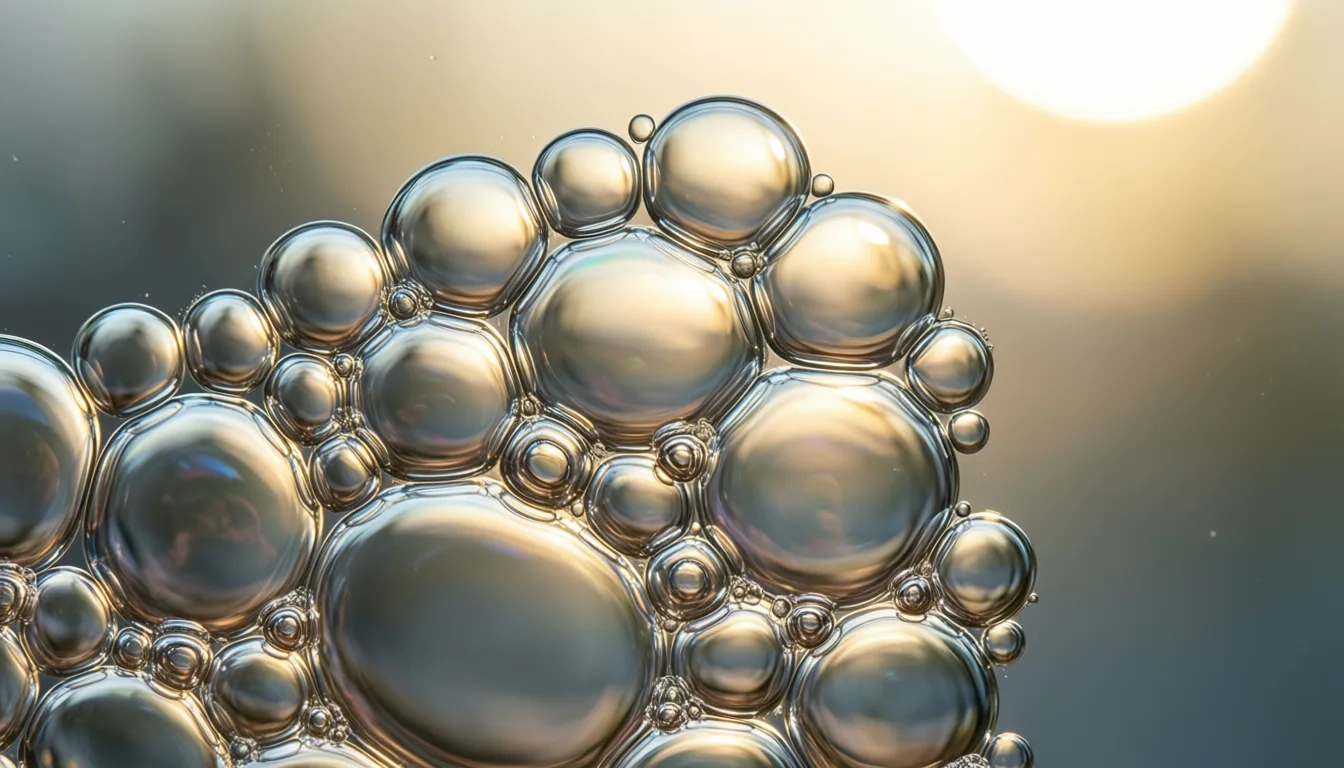
Small extracellular vesicles ferry signaling molecules between organs — and may be hijacked in diabetes.
If mitochondria are the engines, the second piece of the puzzle is how engines in different organs coordinate. A December 2025 review in Current Opinion in Physiology zooms in on small extracellular vesicles — sEVs, the tiny membrane-bound packages cells use to send proteins and small RNAs to each other — and on a protein called caveolin that helps regulate their release.
The authors argue that caveolin-laden vesicles are emerging as important regulators of interorgan communication in diabetes-associated cardiovascular disease. They describe how Caveolin-1 specifically influences insulin secretion, insulin signaling, insulin resistance, oxidative stress and downstream diabetic complications. Translation for the rest of us: the heart, pancreas, liver and fat tissue are not soloing. They're in a group chat, and the messages are sometimes getting garbled in metabolic disease.
This is genuinely new territory, and the review is upfront that caveolin's role is still being characterized as a potential therapeutic target rather than an established one. But it dovetails with the mitochondrial story in a satisfying way: if metabolic disease is partly an organelle-level communication failure, it makes sense that the vesicles cells use to talk to each other would be implicated too.
The heart, pancreas, liver and fat tissue are not soloing. They're in a group chat.
What this means on a Tuesday with a toddler

Regular movement is one of the simplest ways to engage the cellular pathways researchers are still trying to target with drugs.
Here is the part where, in another magazine, you would get a 12-step protocol. You will not get that here, because the evidence is moderate, the science is moving, and your body is not a research subject. What you can take from this is a slightly different mental model.
The review's catalog repeatedly returns to the same handful of levers that activate cellular fuel-sensing pathways: dietary patterns rich in plants and lower in chronic nutrient overload, regular physical activity, and sleep and circadian rhythms (which are, admittedly, the cruelest joke to play on a parent of a six-month-old). None of these require perfection. They reward consistency, which — on a hard week — might mean a 10-minute walk after the bedtime routine instead of nothing, or one extra vegetable on the plate you were going to eat anyway.
If you have a diagnosed metabolic condition — prediabetes, type 2 diabetes, fatty liver, high blood pressure — this is a conversation to have with your clinician, who can weigh the still-evolving evidence on mitochondria-directed therapies against what is established and appropriate for you. The science is genuinely interesting. It is not yet a shopping list.
The honest summary: framing obesity and metabolic disease as organelle-level problems doesn't make them easier to fix, but it does help explain why the same boring advice — move, eat plants, sleep when you can — keeps outperforming more exciting interventions in long-term outcomes. The boring advice happens to hit the exact pathways researchers are now trying to drug. That is, on a tired Tuesday, a small piece of good news.
Frequently asked questions
What is the main argument for reframing obesity as a mitochondrial disorder?
A 2026 scoping review argues that in obesity and metabolic disease, mitochondria become overwhelmed by chronic nutrient overload, leading to rising oxidative stress, disturbed mitochondrial dynamics, and a breakdown of the quality-control system that recycles damaged mitochondria. These organelle-level problems are linked across diseases like insulin resistance, fatty liver, cardiovascular dysfunction, and chronic kidney disease. The same underlying signature of stressed, poorly maintained mitochondria keeps appearing across conditions that dominate adult metabolic medicine.
What are the cellular fuel-sensing switches mentioned in the article, and why do they matter?
The article describes a trio called AMPK, SIRT1, and PGC-1α as switches that tell cells to build more and better mitochondria. Both lifestyle changes and experimental drugs are being designed to activate these same pathways, which is why diet and physical activity appear to engage the same mechanisms researchers are trying to target pharmaceutically.
What role do small extracellular vesicles play in metabolic disease?
Small extracellular vesicles are tiny membrane-bound packages that cells use to send proteins and small RNAs between organs. A December 2025 review describes how caveolin-laden vesicles are emerging as regulators of interorgan communication in diabetes-associated cardiovascular disease, with Caveolin-1 specifically influencing insulin secretion, insulin signaling, and oxidative stress. The article notes this role is still being characterized as a potential therapeutic target rather than an established one.
What practical lifestyle levers does the article say can engage mitochondrial pathways?
The article points to dietary patterns rich in plants and lower in chronic nutrient overload, regular physical activity, and sleep and circadian rhythms as the levers that repeatedly appear in the research on cellular fuel-sensing pathways. It emphasizes that these approaches reward consistency over perfection, noting that a 10-minute walk or one extra vegetable on a hard week still counts.
Is this article intended as medical guidance for people with metabolic conditions?
No. The article explicitly states that people with diagnosed metabolic conditions such as prediabetes, type 2 diabetes, fatty liver, or high blood pressure should discuss the still-evolving evidence on mitochondria-directed therapies with their own clinician. It also notes that the underlying scoping review maps the territory rather than ranking treatments, and that many described interventions are early-stage and not a substitute for clinical advice.
Sources
- Mitochondrial medicine in obesity: a scoping review. — Open medicine (Warsaw, Poland)
- Caveolin in extracellular vesicles: orchestrating interorgan communication in diabetes-associated cardiovascular disease. — Current opinion in physiology