The Middle-Age Muscle Cliff: Why Sarcopenia Starts Earlier Than You Think
New molecular and longitudinal research suggests the slide in strength begins decades before frailty — and that nerves and inflammation, not just muscle, set the pace.
Press Enter to search · Esc to close
New molecular and longitudinal research suggests the slide in strength begins decades before frailty — and that nerves and inflammation, not just muscle, set the pace.

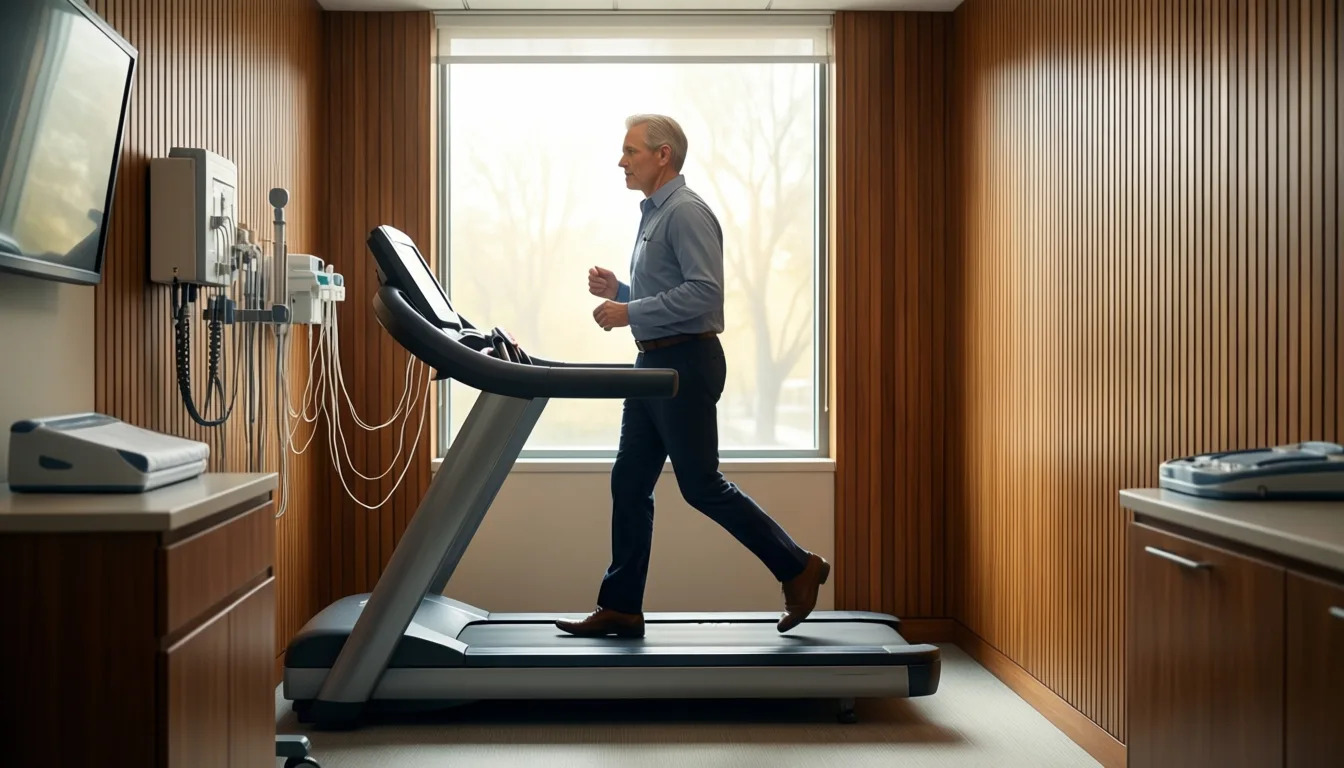
A rare prospective study with pre-pandemic treadmill scores shows infection nudges fitness downward — and the men who started lower had the hardest recoveries.
A PRISMA-registered meta-analysis pooled 16 studies on adults 55+ and found a link between extra weight and worse oral health — especially gum disease. Here's what that actually means.
A large NHANES analysis suggests the American Heart Association's updated checklist doesn't just predict heart trouble — it lines up with how fast your body is actually aging.
Two fresh studies sharpen what 'biological age' actually measures — one tracing it to the air outside your window, the other to quiet patterns deep in the genome of people who reach 100.
Three population studies point to the unglamorous middle layer of healthy aging — where perceived stress, sleep architecture, and muscle composition quietly shape what comes next.
A 2025 analysis of 911 effect sizes asked which of longevity medicine's two favorite molecules truly mirrors dietary restriction. The answer reshuffles the conversation — carefully.
Aging immune systems mount weaker responses to vaccines. A new Nature Aging review maps the engineering — higher doses, smarter adjuvants, mRNA — designed to close the gap.
Two 2025 papers move biological-age measurement closer to the clinic — one builds a risk score from routine bloodwork, the other names a druggable target in the aging heart.
A new systematic review reframes age-related strength loss as a problem of failing wires, not shrinking cables — and it changes what screening and training after 60 should look like.