Reversing the Decline: What the New Science Says About Aging Muscle
A 2025 review reframes sarcopenia as a modifiable condition — and grades which interventions actually move the needle on muscle mass, fiber loss, and motor unit decline.

Press Enter to search · Esc to close
A 2025 review reframes sarcopenia as a modifiable condition — and grades which interventions actually move the needle on muscle mass, fiber loss, and motor unit decline.
A new pathway analysis from the Long Life Family Study untangles how genes, school, and stimulating activities co-act to protect the aging brain — and what that means for the rest of us.
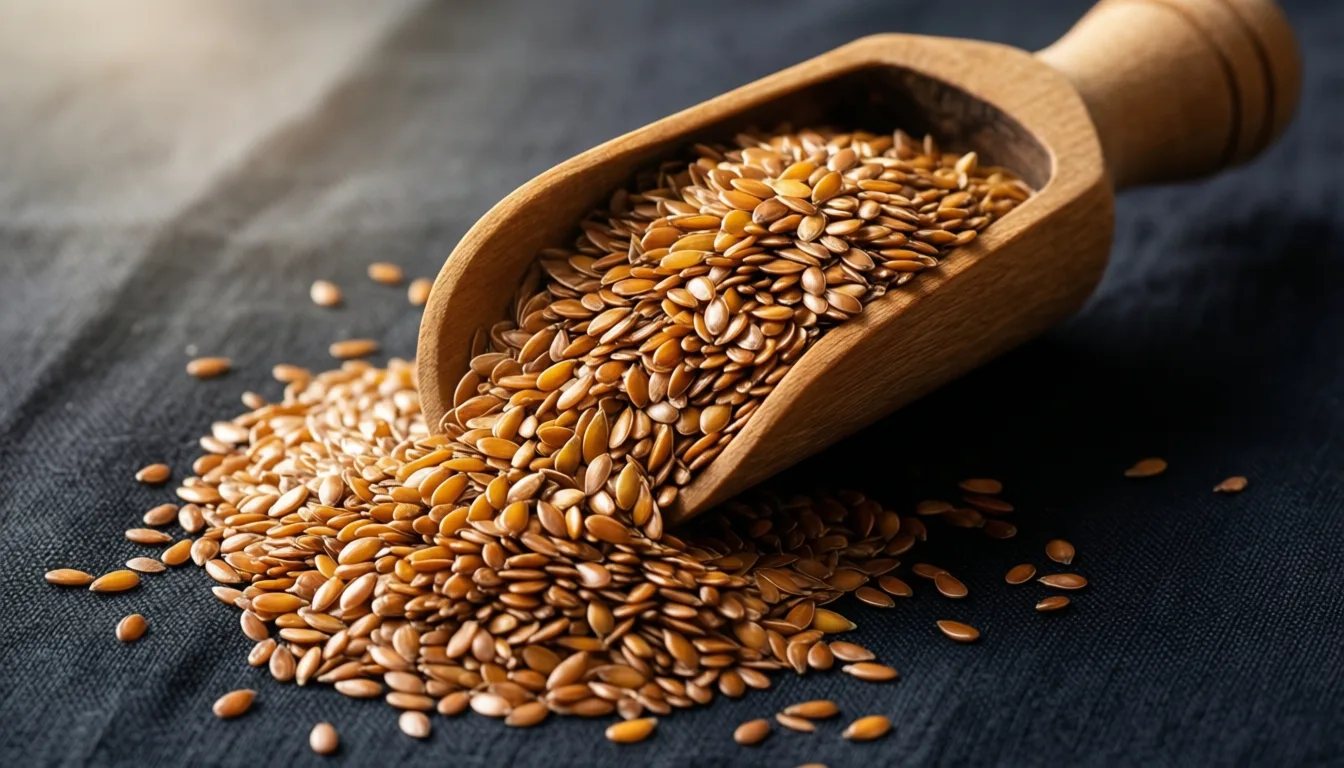
A 2025 GeroScience synthesis pulls together decades of flaxseed research — and the lipid, pressure, and glycemic signals are more durable than the supplement aisle suggests.
Two 2025 papers connect how we eat — and when — to the metabolic stress pathways behind a stubborn form of heart failure. The science is promising, the certainty is not.
A cheap, decades-old drug is being reframed as a possible geroprotective adjuvant. The science is intriguing — and still unfinished.
A long-running Taiwanese cohort took a closer look at osteosarcopenia — losing bone and muscle at the same time — and the findings are more nuanced than the headlines suggest.
A new review reframes the world's longest-lived communities through the 'exposome' — the cumulative environmental, microbial, and social inputs that quietly shape how we age.
A new European synthesis maps the levers — personal, clinical, and environmental — that may compress the years we spend sick at the end of a longer life.
A new perspective in Aging Cell argues that the body's capacity to buffer immune decline — not the disease markers we obsess over — may be the truer measure of how well we age.
Two new reviews argue your gut bugs are one of the most workable levers on healthy aging — and the plants on your plate are how you nudge them.