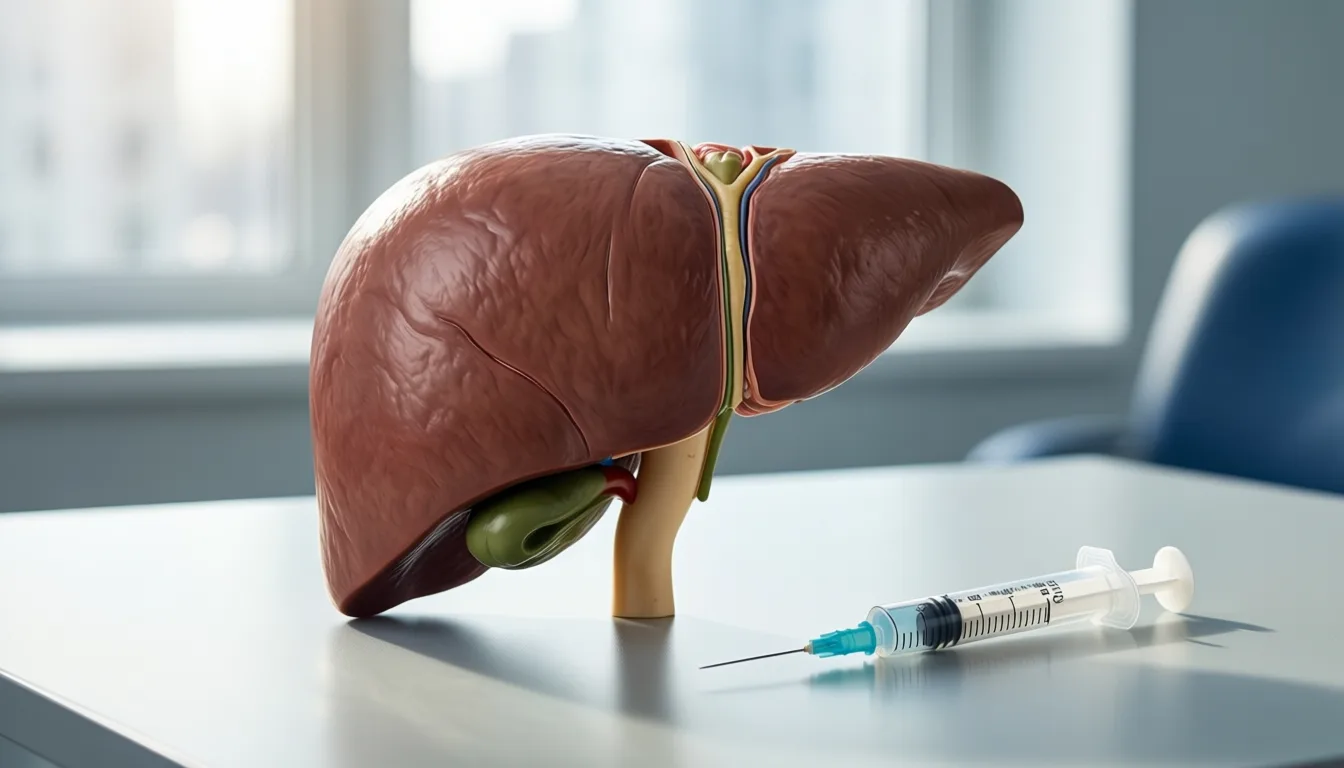
Tirzepatide for MASH: Phase 2 Signals Reshape the Liver-Metabolic Playbook
A dual GIP/GLP-1 agonist already changing diabetes and obesity care is now posting credible early signals against the fatty-liver disease that often travels with them.
Press Enter to search · Esc to close
A dual GIP/GLP-1 agonist already changing diabetes and obesity care is now posting credible early signals against the fatty-liver disease that often travels with them.
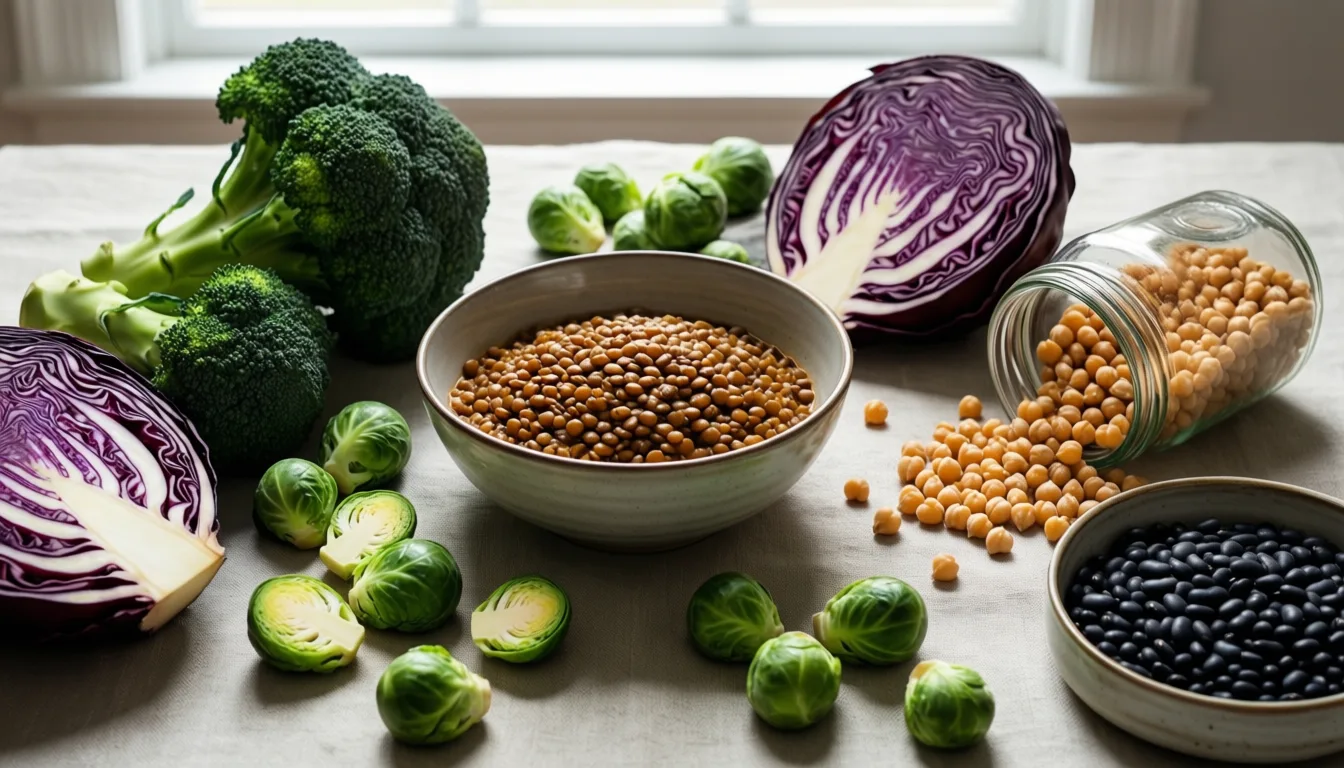
A new Raine Study analysis of 638 twenty-two-year-olds finds that beans, lentils, broccoli and their cousins track with lower cardiometabolic risk — sharpening the 'eat your vegetables' message for a generation already worried about long-term heart and metabolic health.
Three new human studies — a decade-long cohort, a systematic review, and a biomarker case-control trial — sketch an emerging toolkit for spotting dysglycemia before it hardens into disease.
A 2026 meta-analysis pools a decade of evidence on how common metabolic syndrome has become — and how much of it tracks back to the lifestyle levers we actually control.
Nephrologists are floating a new diagnostic umbrella — Metabolic Kidney Disease — to catch the quiet damage that obesity, insulin resistance and fatty liver inflict on kidneys years before standard tests flag a problem.
A wave of 2025 analyses is dissecting the real mechanisms behind the headline weight loss — and the picture is messier, smarter, and more interesting than the marketing.
A common gut bacterium called Blautia wexlerae appears to rewrite dietary fats into signals that nudge GLP-1 release. The science is early — but the mechanism is genuinely new.
A Riyadh case-control study paired with a fresh meta-analysis sharpens the dietary case against fast food in inflammatory bowel disease — and gives busy men a concrete lever to pull.
A new mediation analysis points to E-selectin, a marker of blood-vessel stress, as a quiet link between metabolic risk and insulin resistance — while CRP, the inflammation test most of us know, came up short.
The disease formerly known as fatty liver got a new name in 2023 — and a fresh acknowledgment that it rarely travels alone. Here's what the latest review tells us about the liver-kidney link.