
Diego Santos
Performance Science Writer
Endurance and serious fitness athletes
Diego Santos writes the performance-science beat for endurance and competitive athletes — VO2 max, recovery, fueling and training adaptation — translating exercise physiology into an edge you can train on.
Latest articles

Strength Is the New Cardio: What Military Performance Science Teaches the Rest of Us
Two new military-medicine reviews converge on a practical playbook: lift to sustain performance, and use vitamin D plus smarter programming to keep injuries from derailing it.
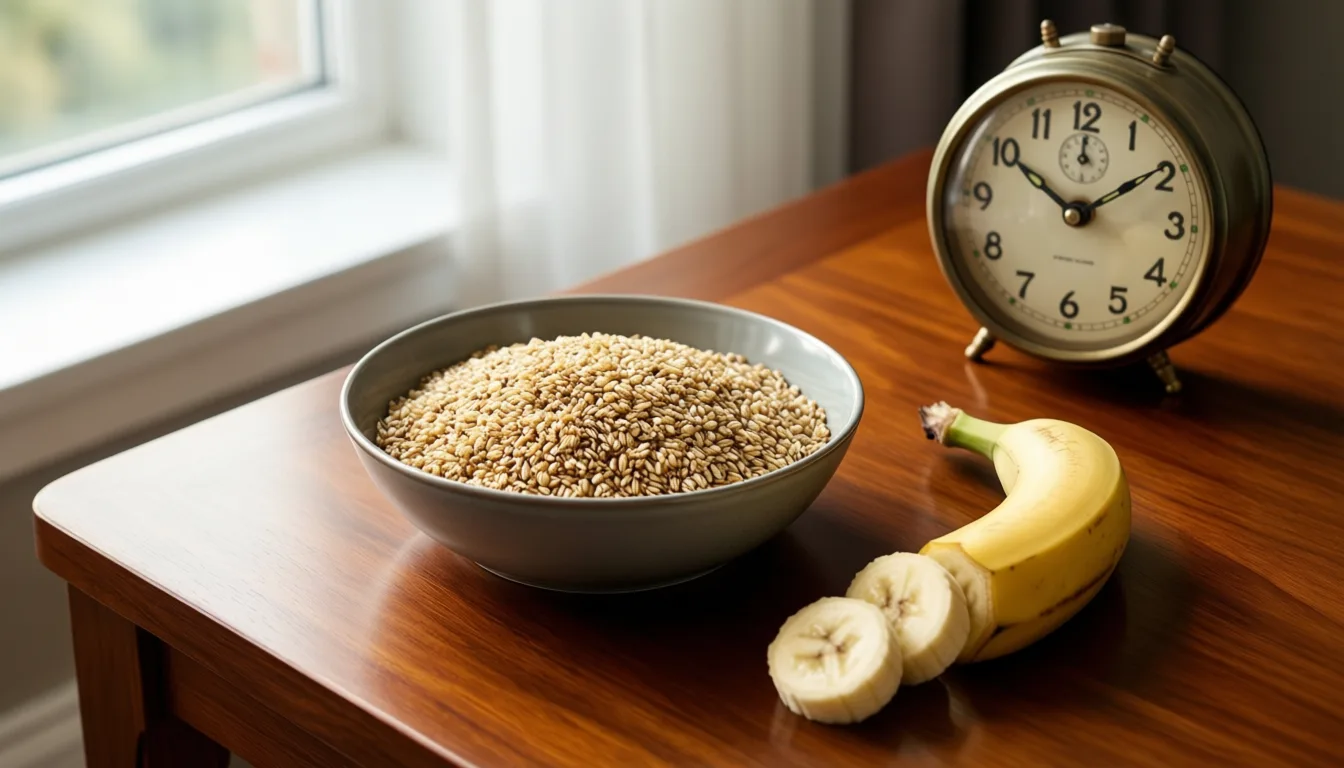
Eat With the Clock: Resistant Starch, Meal Timing, and the Microbiome
Two new reviews suggest the next frontier in performance nutrition isn't what you eat — it's when you eat, and how the starch on your plate talks to the bugs in your gut.
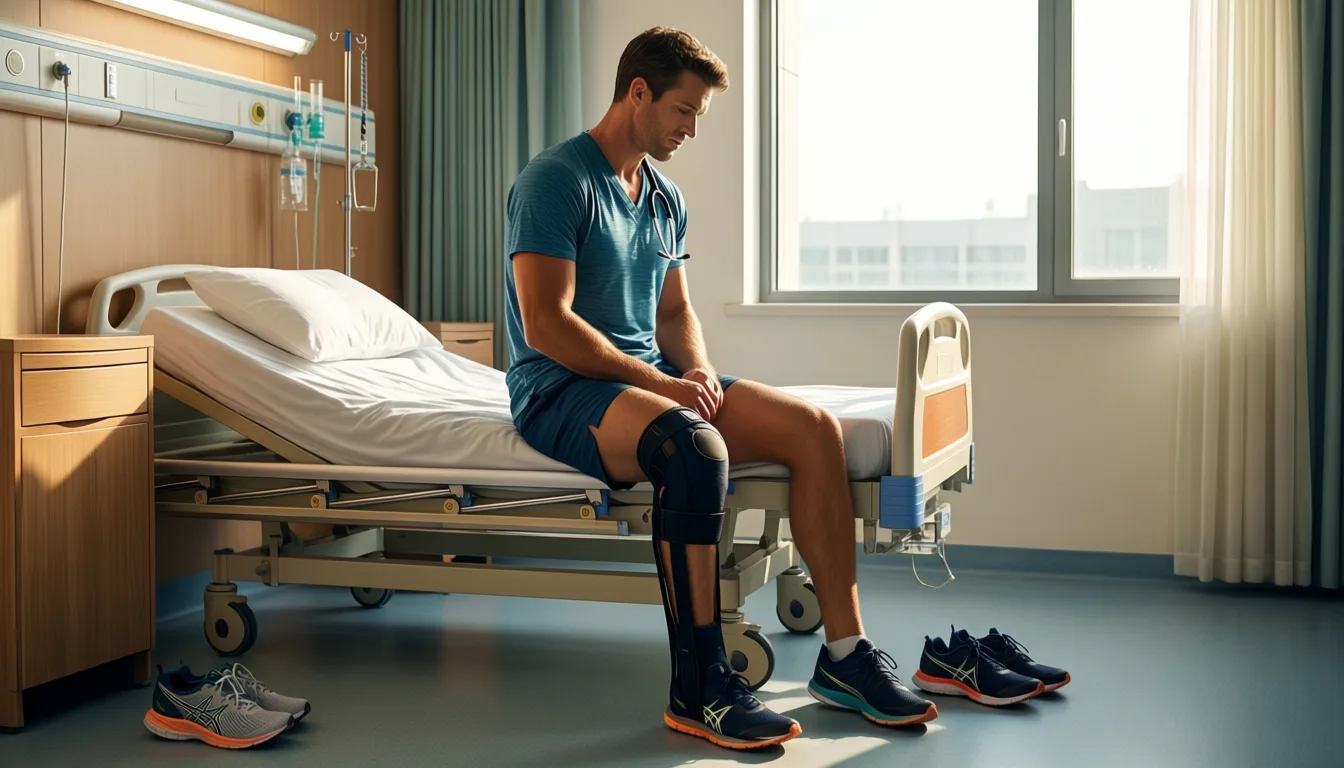
The Disuse Penalty: How Fast Fat Invades Resting Muscle
A new PRISMA-grade systematic review puts numbers on what endurance athletes intuit — even a short layoff lets fat creep into the muscle itself, and that may be the spark for the insulin resistance that follows.

Overwork Reshapes the Brain: A 52-Hour-Week Imaging Signal
A small pilot in healthcare workers finds measurable structural differences in brains clocking 52-plus-hour weeks. The signal is early — but it's the kind endurance athletes, who already think in dose-response curves, should be watching.

The 24-Hour Movement Stack: Why Sedentary Time, Steps and Sleep Are the New Cardiometabolic Levers
A new randomized trial is testing whether reshaping the full day — not just the workout — can prevent recurrent strokes. A parallel Japanese dataset reveals the hidden forces shaping how much we actually move.

Bodyweight Benchmarks for Longevity: A Field-Ready Fitness Assessment
A new study tested whether push-ups, dips, and a handful of other no-equipment moves could stand in for clinic-grade fitness testing — and hinted at a continuous, self-directed way to track the metrics that matter.
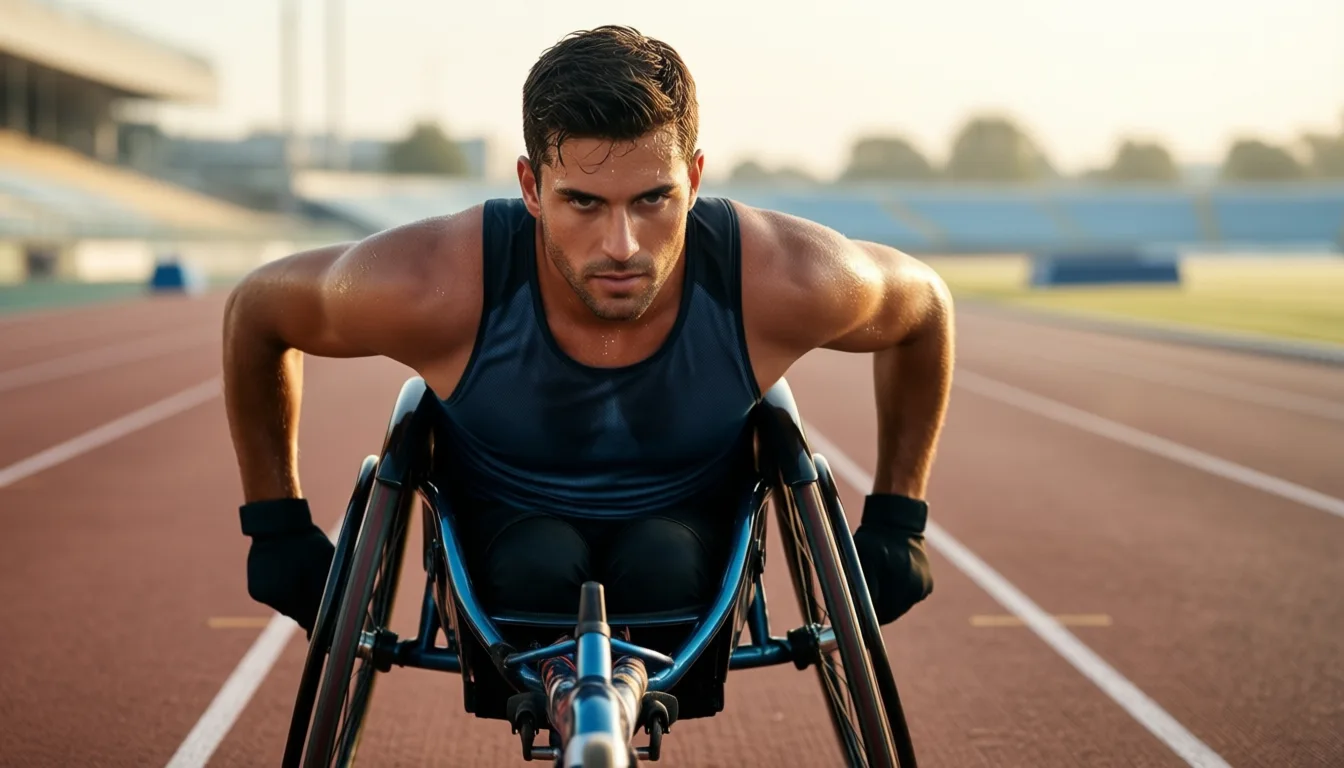
The Algorithm That Learned to Keep Adaptive Athletes Healthy
A 40-week randomised trial of an automated, individualised prevention system points to a future where injury protocols adapt to the athlete — not the other way around.

The Two-Minute Walk Break: What a Crossover Trial Found in Older Brains
A randomized crossover study put 27 older adults through three hours of sitting — broken up with single-task or dual-task walking. Cerebral blood flow and cognition shifted in ways worth dissecting.
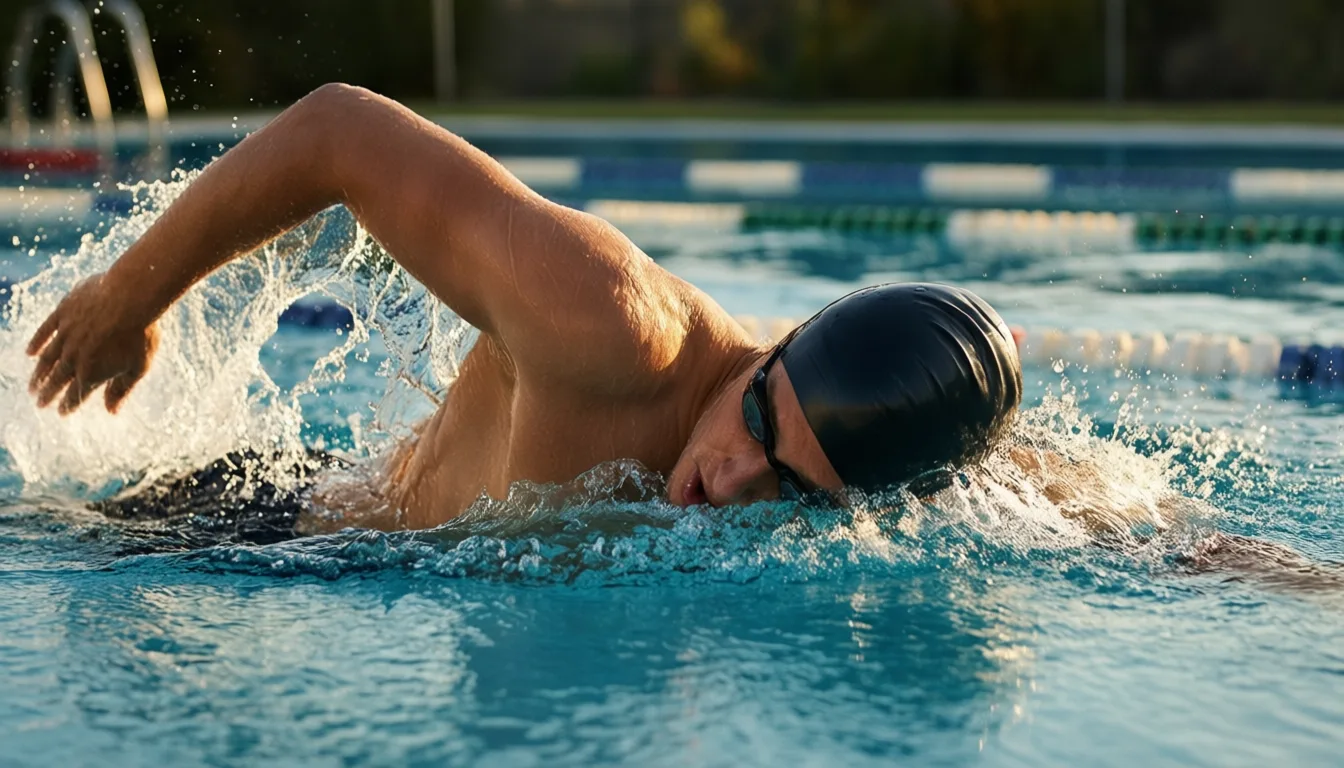
A Smarter Rotator Cuff Routine: What Competitive Swimmers Reveal About Shoulder Longevity
A randomized trial in elite swimmers tested a twice-weekly, 12-week prehab block — and the torque ratios it preserved point to a protocol overhead athletes and desk-bound lifters can borrow.
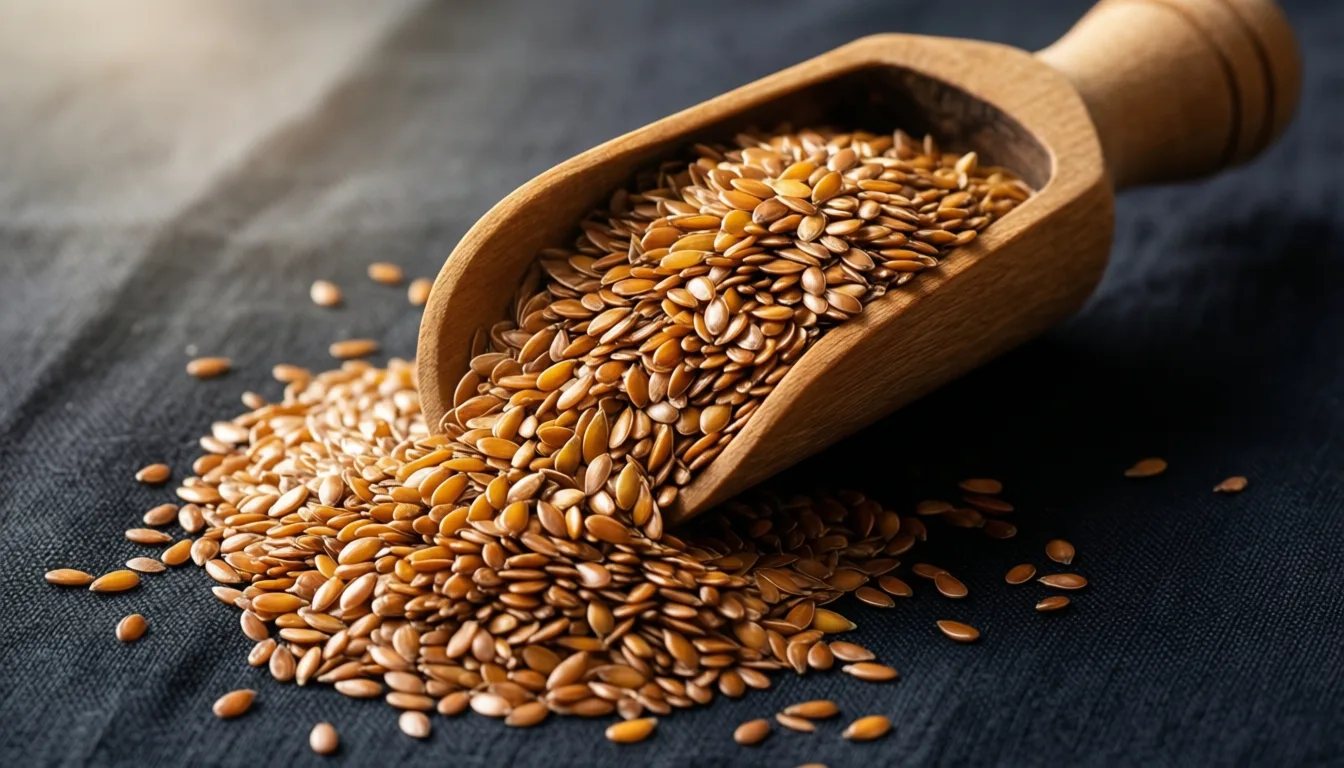
Flaxseed Revisited: The Pantry Staple With a Real Cardiometabolic Case
A 2025 GeroScience synthesis pulls together decades of flaxseed research — and the lipid, pressure, and glycemic signals are more durable than the supplement aisle suggests.
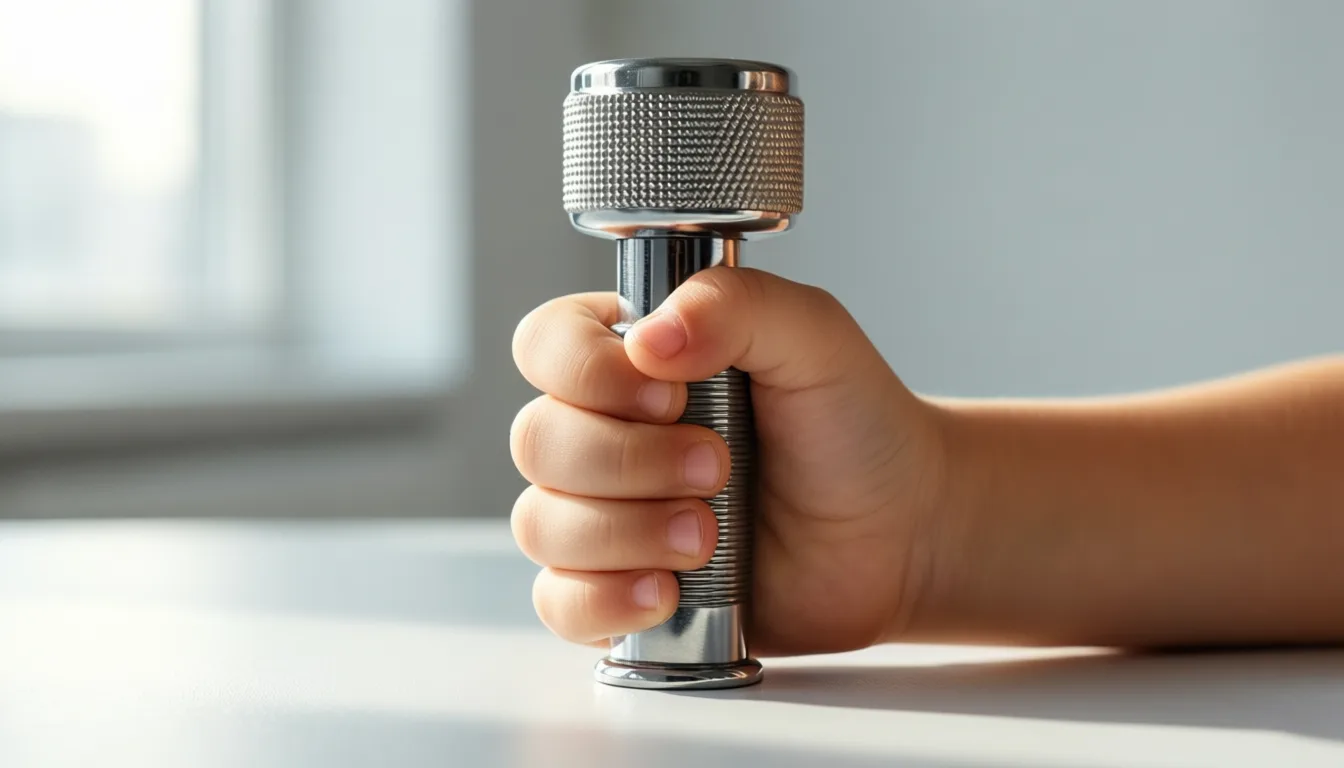
Grip Strength Grows Up — and Now It Has Kid-Sized Cutoffs
A new diagnostic study and meta-analysis put sex-specific handgrip thresholds on the table for 8–11 year-olds, extending a longevity proxy adults already obsess over into childhood.
NAD+ Under Pressure: A Mouse Study Complicates the Nicotinamide Riboside Story
A 2025 GeroScience paper finds that in aged mice under chronic stress, NR protected some blood markers — but also amplified anxiety-like behavior. A wrinkle worth knowing before your next scoop.